Mobile & tower scaffolding units are a common sight on most construction sites. Commonly used by tradies from all walks of life, they do help us with those hard to reach areas.
But with that, like anything on-site, they do come with a certain level of risk. Whether this be falling over, equipment, tools or people falling off, or even rolling away because the breaks aren’t on, these are all real threats.
The risk of tipping over
Being a mobile unit means tipping over or swaying is a huge risk. The issues and potential consequences that present itself if a unit falls over can be devastating, for your team, your business and clients.
Falling over is a risk that presents itself in several circumstances, including:
- While moving the unit from location to location – two issues can arise here – firstly, stopping the scaffolding suddenly, secondly, bumping into something or being hit while moving
- When the unit is top-heavy – this ideally shouldn’t happen but this occurs when the top platform is greater than the dimension of the lowest platform
- When people stand too close or lean, or objects hang too far over the edge – this can cause the whole unit to become off balance
- When the load on the scaffold exceeds the maximum limit. Scaffolds load limits are based on distributed capacity, so when there is too much weight at one point you run the risk of toppling the unit
- The scaffold is too narrow and light to withstand the work or conditions
- Adverse weather conditions or events – excessive winds, storms or earthquake are scaffoldings worst enemy, and mobile units are no different
How can you improve stability?
While the risk of falling is a major risk, you can reduce the risk by:
- Closing the gap – place the scaffold as close as possible to the surface being worked on
- Use the breaks – if your scaffold is on castors, make sure you clip the breaks on
- Increase the base stability – below we outline four options to increase the stability of your scaffolding units.
- Follow height to width ratio guidelines
- For units over 2m ensure the top working height is no more than three times that of the base
- For units under 2m ensure the top working height is no more than two times that of the base
- Increase the base platforms dimensions
- Increase or place weight on the base platform
- Use outrigger bracing to provide support
- Know the Safe Working Load (SWL) and stick to it – before using the scaffolding, make sure you know what the SWL is and don’t exceed it
- If the days forecast calls for windy or extreme weather conditions, don’t use the scaffold if you can avoid it
Like anything that requires working at heights, mobile and towered scaffolding units come with their own unique risks. To avoid these risks becoming an issue on-site make sure you put all precautions in place. Talk to the manufacturer, have it erected by a qualified and trusted supplier, and work on and around the unit safely. This way, the site is safer for all.
If you have any questions reach out to the HazardCo team today.
Heights are not for everyone. Some people love being high above the ground, others it’s their worst fear. For some, heights are part of the job. Working on a roof or on a multi-story building is just another day at the office. But with greater heights, comes greater risk of injury or things falling. Due to these increased risks, it is critical all your corners are covered – literally – because without edge protection, you’re putting everyone in danger.
Here’s what you need to know:
What is edge protection
Edge protection is a protective measure that helps prevent people, tools, and materials from falling. This includes:
- Around the perimeters of an elevated work area
- Around openings
- To stop access onto brittle material which cannot safely support a person
When you need edge protection
Whenever your site involves working above the ground or on elevated surfaces.
Edge protection is required on all exposed edges of a roof, including the perimeter of buildings, skylights or other fragile roof materials, and any openings in the roof – this also includes openings and edges of floor areas, such as balconies.
What it involves
Edge protection comes in a series of forms including:
- A proprietary (engineered) system:
- This needs to be installed by a competent person with suitable training in safe work methods
- It must be installed according to the manufacturer’s instructions and specifications
- If the roof pitch is less than 25 degrees: must be rated
- If the roof pitch is greater than 25 degree: must be rated and a barrier between the bottom and mid-rail to prevent anything from falling
- Materials to form a guardrail and/or physical barriers
- Must be installed by a competent person
- Erected scaffolding that supports a temporary edge-protection system
- Installed by a certified scaffolder or competent person depending on the height of the scaffold.
Planning for it
Like anything, failing to plan is planning to fail. And, edge protection is no different.
If you know your site will require edge protection at some stage in the project, make sure to build it into your initial planning and considerations. Don’t wait until a few weeks before you need it, to start designing a plan.
Consider what the potential risks are, how they will impact your team, people on-site and the general public, and how it will be installed and taken down.
With proper and thorough planning you decrease the risk of anyone getting hurt or damaging property as a result of working at heights.
Installing edge protection
Get your edge protection sorted as early as possible on a job. Make sure you have a clear timeline in place for when you’ll require edge protection on-site.
And, keep everyone on-site in the loop. Let your team and other contractors know when edge protection is being installed, how long it’ll be on-site for and then when it is scheduled to come down.
Checking its integrity
There’s no use having edge protection if it isn’t doing the job. So, ensure edge protection is:
- Erected, used and maintained in accordance with its design information
- Regularly inspected by a competent person
- Inspected after a storm or other weather events, or natural disasters, such as an earthquake
- Free of any defects before use
Keeping your team safe should be a top priority on any construction site – and edge protection is a huge part of that. If you’re still unsure how best to move forward and protect your team, you can get in touch with the HazardCo team today.
On pretty much every kiwi building site, you’ll see scaffolding. But, how many of us really know the correct rules and regulations around fixed scaffolding?
Below we outline the key aspects and what you should look for when using scaffolding on your current, or next, site.
What is fixed scaffolding?
Scaffolding – by definition – is a temporary platform that is used to elevate, offer support, and provide materials during a construction process for building, repairing or cleaning of a structure.
Why does the construction industry use scaffolding?
Let’s break it down:
- Safety: Scaffolding is there as a secure structure for those working at height providing a flat and balanced working platform that allows multiple workers to work at the same time.
- Access: With scaffolding wrapping areas of a building, it allows people to access parts of a building that may have been unattainable beforehand, such as wall or section of the roof.
- Positioning: With scaffolding, workers are smack bang in front of the area they are working on. No need for getting into awkward and unsafe positions.
The need-to-knows
Scaffolding can be a tricky subject, and because of this, there are many areas that we get asked to advise on. Below we outline some of the most important aspects of working with or around scaffolding.
Tagging and retagging
All scaffolds must be checked by a competent person before handover. This involves tagging the scaffolding. All scaffolds, regardless of height, must have a tag clearly displaying important safety information at access points. Included on the tag:
- The status of the scaffold (i.e. scaffold unsafe or scaffold safe)
- The name and contact phone number of the certified scaffolder (or erector if under 5 m)
- The purpose (intended use) of the scaffold
- The duty (or weight) loadings of the scaffold
- The maximum number of platforms or bays that may be loaded
- Any limitations on the use of the scaffold
- A record of each inspection (these should be done weekly or after a significant storm or earthquake or alteration), including who inspected or altered the scaffold and when it was done.
Requirements on putting fixed scaffolding up
Depending on the height of the scaffolding there are varying regulations and qualifications that determine who can construct scaffolding.
For scaffolding up to 5 metres a competent person – someone who has the knowledge and skills to carry out a particular task must erect the scaffolding. Skills and knowledge may be acquired through training, qualification, or experience.
For greater than 5 metres the person who erects the scaffold must hold the appropriate class of certificate of competence (COC) for that type of scaffolding.
Access to Scaffolding
Access to working platforms must be adequate and safe for the working conditions and type of work to be carried out. Plan for the number of people using a scaffold and the weight and size of materials on the platform.
Other points to consider:
- Where possible, install stair access rather than ladder access.
- Access openings and stairways must not have sharp edges.
- Openings in scaffolding at access points to stairways and ladders must be protected by gates or be sufficiently distant from the platform.
- Gates must open inwards onto the platform and be self-closing.
- Where a personal hoist is used, an alternative, non-mechanical means of egress such as stairs or a ladder should also be provided.
- Platforms must allow 450mm of clear access past ladder openings.
Distance between the workface and structure
Once you’re up and working on the scaffolding be aware of the following rules around the distance between you and the surface you’re working on:
- Scaffolding must be as close to the surface as feasibly possible
- If the distance is more than 300 mm, you are required to have internal guard rails on the workface side
Planks
Non-proprietary platforms must have a minimum bay width of 675mm wide. All platforms must allow 450mm of clear access past stacked material and obstructions.
Guardrails
Guardrails must be between 900 and 1100mm high with a mid-rail located halfway between the work platform and the top rail. Toeboards are also to be fitted to prevent materials falling from the platform.
Following the correct guidelines and having adequate health and safety measures in place is critical when you’re working with scaffolding. Whether you’re organising scaffolding for a site, constructing the scaffolding or working on it, the key is to take your time and be careful.
If you have any further questions regarding scaffolding, we’re always here to lend a hand. Get in touch.
Explosive. Flammable. Oxidising. Toxic. Corrosive.
When you put it like that, hazardous substances sort of sound worthy of a certificate, don’t they?
So it’s hardly a surprise that from 1 December 2019, if you store class 6 and 8 substances over certain thresholds you are now required to have a Location Compliance Certificate.
A-who-where-what-now?
A certificate to keep hazardous substances in check. Protecting everyone on site from harm caused by toxic and corrosive materials. A location compliance certificate is issued for 1 year and is required in accordance with the Health and Safety at Work (Hazardous Substances) Regulations 2017.
And how do I know if I need one?
If you are working with any big, bad substances on site, it’s vital you check whether you do.
To see whether a hazardous substance location exists for the substances at your site you can use this handy hazardous substances calculator. This will give you a pretty good idea of what’s what.
Makes sense. So how do I get one?
You’ll need to find yourself a compliance certifier who is authorised for locations and the hazardous classifications of your substances.
You can track one down by searching the compliance certifier register. Simple as.
Another step towards a safer working day on site, get your certificate sorted for a compliant Kiwi workforce you can stay proud of.
Here at HazardCo, our aim is that every worker on a construction site comes home healthy and safe at the end of every day.
That’s why we’re constantly on the button. Listening to you, listening to what’s going on out there on-site: your pain points, your concerns, your needs. Because who knows better about life on-site than the people out there on the ground doing the work?
Recently, we’ve heard a lot from our customers surrounding improvement notices – primarily around health monitoring and asbestos.
Let’s take a closer look:
The nitty-gritty
In short, an improvement notice will require changes to be made to improve a risky situation (as identified by the regulator) within a certain time period.
In accordance with the requirements outlined in the Health and Safety at Work Act 2015, enforcement measures give a WorkSafe inspector power to issue improvement notices if they reasonably believe a person –
- is contravening a provision of this Act or regulations; or
- is likely to contravene this Act or regulations.
Getting workers up to scratch
WorkSafe has recently identified a lack of knowledge and planning around the subject. Notably, the vagueness around procedures in place to identify asbestos materials, and more pressingly, creating plans of action in working safely with asbestos and how to have it removed.
Needless to say, this stuff is important and could and will save lives, so managers and workers need to get on board – sharpish.
Finding effective methods
A selection of our customers have been issued improvement notices by WorkSafe regulators. Off the back of this, they’ve had to develop a safe and effective method for determining the presence of asbestos before commencement of any demolition or renovation work.
And that’s where we come in.
After following the guidance from our Advisory team and using HazardCo tools, WorkSafe were happy with the development of many of our customer’s procedures, agreeing that the improvement notice had been met and they wouldn’t be taking the matter any further.
An empowered workforce
But this isn’t just about WorkSafe. It’s about our customers feeling they are informed enough to get on with their workday safely. With knowledge, comes a better and safer way of working – and this knowledge is what anyone working in hazardous situations deserves.
With HazardCo as a tool of empowerment, resource and dedicated support, our customers have the information they need to keep their workers safe and to be fully compliant with ease.
Embedding positive health and safety practices around the country, we collaborate to educate – giving workers the power to be the best at their job they can. And what could be a better improvement than that?
Looking for something in particular?
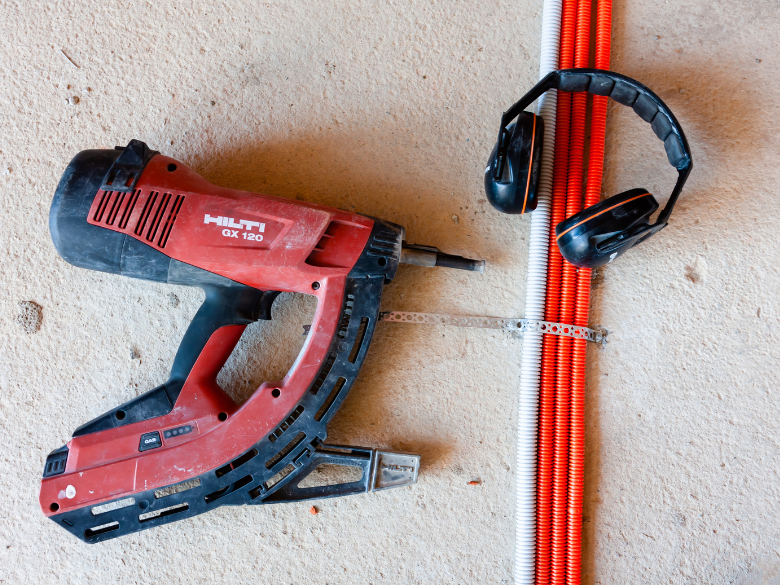
Nail guns are common tools on residential builds. Like any power tool, they can cause serious injuries if not used properly.
Most injuries happen when the gun goes off while being moved or ...
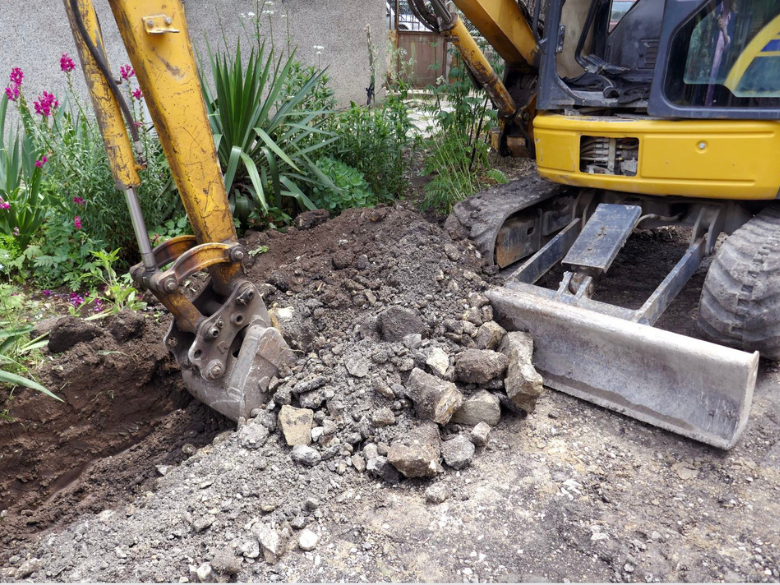
Excavation work means moving or removing soil, rock, or other materials with tools or machinery. You’ll come across it on most construction sites whether you’re building a new home, putting in...

Summer’s here. Are you ready for the heat?
Longer days and sunshine make it feel like the perfect time to crack into work. But while summer brings good vibes, it also brings its own set of ri...

Kick off the New Year safely on site
The holidays are done and dusted, and it’s time to ease back into work. Reopening your site is just as important as shutting it down properly and the New ...

The Christmas break is nearly here. You're probably counting down the days until you can relax and spend some proper time with the family and friends.
But before you lock up for the holiday...

Good health and safety isn’t about stopping work, it’s about having simple, clear processes so everyone understands how to get the job done safely.
When you plan the work and manage the ris...

The hidden danger on-site: Silica dust
Construction sites come with plenty of obvious hazards but some of the most dangerous ones are the ones you can’t see. One of those hidden risks is res...

Slips, trips, and falls, don’t let them take you down!
Slips and trips might seem harmless, but on-site, they’re one of the biggest causes of injuries. A bit of ground clutter, a wet floor,...

Got lone workers on your team? Here’s what you need to know
If someone on your team is working by themselves without other people around and without direct supervision, they’re likely conside...
Take the Hassle Out of Toolbox Meetings
Toolbox meetings don’t need to be a paperwork mission. With the HazardCo App, you can run quick, focused chats straight from your phone – No prep, no p...

Get your team scanning in and out – it’s a no-brainer!
We get it, health and safety chats aren’t always the most exciting. But they are the most important. When everyone on-site takes part,...
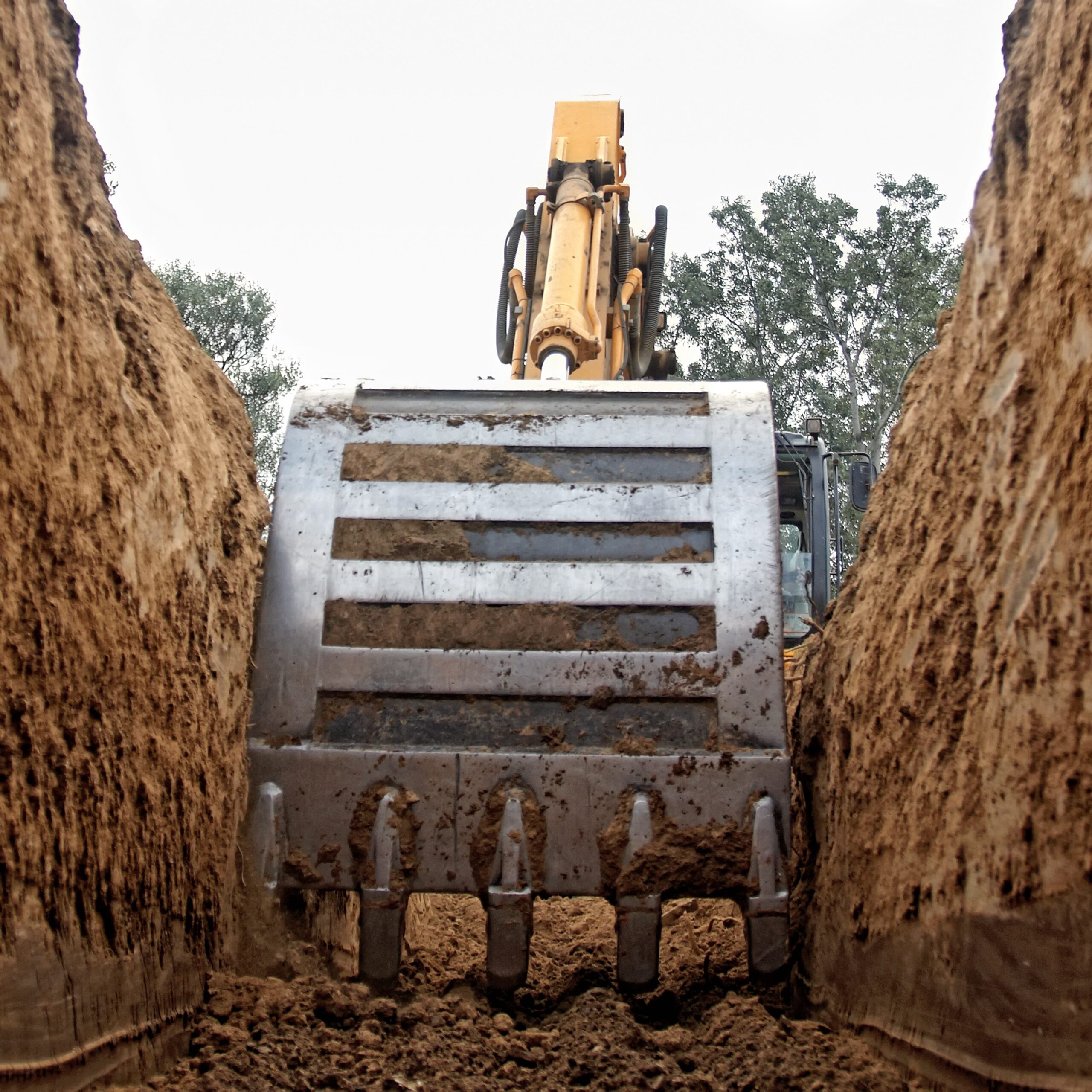
Working with heavy machinery and managing traffic on-site can be risky. But with the right checks and planning, we can keep everyone safe.
Daily machinery checks
Before starting work each da...