Health and safety is a core part of any business but incidents and injuries on the job can still happen. According to SafeWork Australia, in the construction industry alone there were 15,877 serious work-related injury claims between 2020 and 2021, and in the same period, there were 316 fatalities.
Construction and trades make up a fair portion of incidents and injuries at work. When you think about the cost of the time off, it adds up to a pretty staggered sum. As of 2020 the average compensation claim looks like:
- $24,628 in compensation paid
- 10 weeks of lost time per person
With numbers like this, we need to help you find a way to improve the health and safety culture so you can make sure it’s safe and profitable as well.
The signs of poor health and safety
If you’re concerned that your health and safety policies and procedures aren’t being followed or maybe not quite up to scratch, there are a number of things you can keep your eyes peeled for:
- Poor Incident Reporting
- Blame Culture
- Poor Communication
So, how do you get your crew on board?
When it comes down to it, creating a culture of site safety isn’t as easy as putting new procedures in place and calling it a job well done – it’s up to you to involve and motivate your crew to be proactive and take safety into their own hands. You need to make sure that your crew are on board and are taking the right steps to create a safety culture.
Some steps you can take include:
Communication
It seems like an obvious one but poor communication can really hinder your efforts to create a safety culture. Having regular honest and open communication with your crew about why you’re talking about all things safety is the best way to help them understand the importance.
The more transparent and clear you are, the more likely they will be to really take the new initiatives seriously. Make sure that your crew has easy access to your current health and safety guidelines so they can stay in the know about any changes.
Support your staff
Site safety isn’t just about incidents on your site, it’s also about being a supportive employer who ensures their people are feeling safe and secure when they come to work every day. Make sure that the physical health, mental health and even emotional health of your people is a factor for how you manage them. Those working in construction and trades like other sections of society are at risk of depression, stress, or anxiety as well.
If you are taking steps to improve your site safety culture, make sure you factor in both physical and mental health awareness in all that you do for your staff. By providing resources and establishing an environment where your crew feels respected and safe to open up and express themselves you’ll be able to create a support system where you can look after each other’s wellbeing and mental health.
Training
Ensuring that your crew are trained up on all the correct licenses, procedures and health and safety practices is a sure fire way to make sure that they are fully knowledgeable on correct procedures. With the right training in place, you can have confidence that they know how to safely and correctly perform their jobs.
Be a leader
We’ve all experienced bad leadership before, and that if they don’t care about something, it’s highly unlikely you will either. So, if your crew sees that you don’t take health and safety seriously, you’re out of luck getting them to foster a culture of site safety.
You need to walk the walk before you talk the talk. Demonstrate to your crew the importance of following health and safety standards by doing them yourself. They’re a whole lot more likely to follow your example than just take your word for it.
Reporting
You need to set the tone with your crew that reporting incidents isn’t something they need to feel anxious or uncomfortable about doing. Make it clear that they won’t get in any trouble for making a report but instead see it as a way of finding out what caused the accident or injury and what can be done to make sure it won’t happen again. By making proper reporting a core element of your crew’s job responsibilities it can become second nature to them.
Make it a team effort
Site safety impacts everyone, so it makes sense that your crew should have a hand in shaping their site’s culture. The more input they have, the more likely they are to follow precautions.
By having regular health and safety chats with your crew, you can give them the opportunity to voice their own safety concerns and opinions. By having open conversations and allowing input from your crew you’re giving them the ability to implement safety measures that affect their own jobs, ultimately making them more likely to follow processes and encourage others to do the same.
If you have any questions please reach out to the HazardCo team today
We’re going to run you through Respiratory Protective Equipment (RPE), which is a type of personal protective equipment (PPE) which protects people from inhaling substances that are hazardous to their health. These hazardous substances include airborne contaminants such as asbestos, hazardous chemicals and dust, fumes (such as welding fumes), and infectious substances, but you should keep in mind that RPE should also be worn to protect the wearer from low levels of oxygen such as working in confined spaces.
But, before you even get started with RPE, make sure you have other practical control measures in place such as local exhaust ventilation to minimise or eliminate contaminants in the air. Also, keep an eye on your team’s health and workplace conditions to ensure that they aren’t injured or made sick by their work.
We’ve gone ahead and put together a quick guide of factors to consider when providing your workers with RPE.
Types of RPE
Respirators that use filters remove contaminants from the air which the wearer will be breathing. Disposable respirators (often called dust masks) are good for short-term or one-off use and protect the wearer from harmful particles such as dust, fumes, fibres, and biological hazards such as bacteria or viruses.
Powered air purifying respirators (PAPRs) consist of headgear and fan assembly that take contaminated air, filters and removes a sufficient portion of these hazards, and then delivers the clean air to the user. These are also known as positive pressure masks, blower units, or blowers.
Supplied air respirators provide a supply of clean air to the wearer from a source such as an air compressor or cylinder. It’s important to note that the air supply needs to be checked regularly to make sure that it is safe to use.
Using RPE
It’s important for your workers to visually check their RPE for signs of damage before each use so that they can let you know if there are any issues, including whether it needs to be cleaned or decontaminated.
Make sure your team stays safe by keeping their RPE on while working in the hazardous area. Removing it for even a short period of time could be a risk to their health.
If your workers are using RPE that requires a tight fit, make sure that they are checking it properly before entering the hazardous area. There are two fit checks which they need to do:
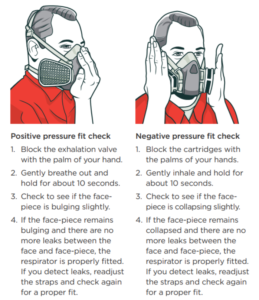
Keep in mind that if your worker’s safety glasses fog up while they are wearing a half-face respirator, this is a sign that there is a leak at the top of the respirator.
Life Shavers: shaving your beard could save your life
When your workers are wearing respiratory protective equipment at work, they should be clean shaven to ensure it is forming a seal and protecting them from breathing in hazardous materials. Even a small amount of stubble can prevent RPE from sealing correctly which means your workers will still be inhaling harmful materials which may cause health concerns. A clean shave goes hand in hand with the correct RPE for the job.
It’s your responsibility to monitor your workers’ health. Make sure that you are completing regular Site Reviews on the HazardCo App, as this will help you to identify potential hazards and put effective plans in place.
HazardCo understands that on-site first aid is about more than just sending someone on a course every few years. As an employer or principal contractor on-site, you have a legal and moral obligation to make sure your team has access to first aid equipment and facilities, as well as access to trained first aiders.
To determine the necessary level for your workplace, assess the site by considering:
- The type of work being done
- Identified hazards
- Site size and location
- Number of people on-site and any vulnerable workers
- Conduct a first aid risk assessment to identify facilities, equipment, and training..
Don’t forget to involve your workers in the process and if you are working with multiple trades, or are the principal contractor, you should share information and work together cooperatively.
First Aid Kits
Having a first aid kit on a construction site is essential to quickly address injuries and medical emergencies. Great kits can be sourced from many places – a basic kit should include equipment t to tend to:
- cuts, scratches, punctures, grazes, and splinters
- soft tissue sprains and strains
- minor burns
- broken bones
- eye injuries
- shock
Basic first aid kits are not always enough given the nature of construction work and increased risk of eye injury, cuts, falls etc, so you’ll need to consider what other equipment to add e.g. eye pads, eyewash, additional dressings and bandages.
Include your team and see if they think your first aid kit is sufficient for the site hazards and team size… and make sure they know who the trained first aider is and where the first aid kit is kept! It helps if your first aid kit is clearly labeled and is made from a material that can protect the contents from dust, moisture and contamination.
Lastly, assign someone to be in charge of replenishing the kit. Make sure this happens regularly and keep a list of what’s supposed to be in the kit to make topping it up easier. At the same time, check training is up to date for your first aiders, and if your team size has changed, whether you still have enough team members trained in first aid.
Keeping first aid up to date is the right thing to do by your team, so make sure you’ve got things covered and that you’re all prepared if any sort of injury takes place.
If you have any questions please contact the HazardCo team today.
Did you know that if you’re carrying out renovation work the same risks apply as a new build? Whether you’re carrying out extensions, renovating, flood remedial work, large landscaping jobs or you’re engaging contractors for the work, HazardCo have you covered.
You will firstly need to think about how you will manage health and safety on-site and how you will communicate this with other people involved in the build, such as the homeowner, or other contractors on-site. This will ensure that everyone is on top of the site hazards and practicing good health and safety during your build.
HazardCo Projects
A HazardCo Project is ordered for each significant job, such as a new house build or large renovation. They contain site-specific resources for that job, including:
- A site specific safety plan (SSSP)
- A site specific Hazard Board
- Site specific QR code for inductions on first visit and scan in/out there after
- Resources to help you manage your on-site health and safety
- Project overview in the ‘HazardCo HUB’ for real time on site activity
- Ability to upload docs to be visible on the HazardCo app when workers scan into site.
How can you determine whether you need to order a HazardCo Project?
Have a read of the following 5 areas, if you meet these requirements a Project could be needed.
- Are you the principal contractor? – The principal contractor is the one that creates a Site Specific Safety Plan (SSSP) and this should be consulted and shared with all workers, including contractors involved in the work. This will ensure workers are aware of the risks and hazards that are involved in the job at hand. Throughout the job, there should be ongoing communication between all parties, and the risks reviewed regularly on-site. For more information around responsibilities check out our blog.
- The cost of the project – Depending on the State/Territory you operate in, if your construction project is over a certain financial threshold, then a SSSP is actually a legal requirement. With the exception of Western Australia, where a SSSP is legally required where 5 or more persons are likely to be working at the same time on the project.
- Will you be engaging contractors? – If contractors are going to be engaged in the work, then a Project will likely be needed, but this also depends on the type of work and length of the job. So if you’re unsure, just give us a call and we will be happy to assist.
- Will you be making any structural changes? – Ordering a project and setting up a SSSP will help identify the controls that will be put in place to manage risks. Generally this type of work can take time, and therefore we recommend ordering a Project and using the HazardCo App to assist your health and safety needs on-site.
- How old is the building? – Any property built before the year 2003, could contain asbestos. Creating a SSSP helps identify the controls that will be put in place to manage this risk. We also recommend that all trades complete an asbestos awareness course.
Even if none or only some of the above 5 areas apply, the HazardCo app and hub can still be used effectively outside of ordering a project. So keep reading.
Using HazardCo to manage health and safety
We recommend that you use the HazardCo App and Hub to manage your on-site health and safety. Here are our tips to get the most out of the HazardCo system:
- Workers should complete a Risk Assessment on the HazardCo App prior to starting work to make sure their work area is safe and the risks are being managed.
- Monitor works occurring on-site using the Site Review feature on the HazardCo App and identify any areas for improvement.
- Due to the nature of renovation work it is important that you consider noise and dust (examples; asbestos, silica and wood) and how you control these risks. For high risk construction work, use the SWMS feature in the HazardCo App. Ensure everyone involved is consulted during the preparation of the SWMS and have read, understood, and will follow the directions provided. You can find out more information on completing SWMS by clicking here.
- Share and capture what’s happening on-site, and upcoming works with workers through the Toolbox Meeting feature on the HazardCo App. This demonstrates good consultation and communication with your team.
- Record incidents on-site using the HazardCo App. Any incident, illness or near-miss can be recorded. Check out the HazardCo Hub for your Incident Register which gets automatically updated when you log incidents using the HazardCo app.
- Use the task function to report hazards and track health and safety actions.
- If you have people living on-site during the renovation work, you should be setting your health and safety expectations from the start. There is an easily editable Client Health & Safety Requirements letter in the Hub you can tailor to your job. This outlines your site requirements on keeping the homeowners safe during and outside of working hours.
- As part of your membership, you have 24/7 incident support and general support during business hours via 1800 954 702.
Lastly, sometimes renovation projects can be unique and you may still feel unsure about whether you should order a project or how the HazardCo system can help you to manage Health and Safety effectively. So give us a call and we can chat about your upcoming works and how HazardCo may work best for you. So don’t be shy – get in touch with us and we’ll help you make your site a safer one.
Hazardous substances refer to chemicals or substances which can be toxic, corrosive and can cause harm. So it makes sense that we document what’s on-site and when.
If you have hazardous substances on-site, there are processes that, by law, you need to follow to ensure they are stored, used, and disposed of correctly and to reduce the risk to anyone that uses or comes into contact with them.
On 1 January 2021, Australia began a two-year transition to the revised edition of the Globally Harmonised System of Classification and Labelling of Chemicals (GHS 7). This new system replaces the previous Approved Criteria for Classifying Hazardous Substances.
Despite the transition period, we recommend you start making the changes to labelling, SDS, and packaging as soon as possible.
You can find out more about the changes below so you can make sure you are up to date with the latest info.
There has been changes to the Hazard Classifications, and you will no longer use the following classes for your hazardous substances:
- Class 1 Explosives
- Class 2 Flammability gases
- Class 3 Flammability liquids
- Class 4 Flammability solids
- Class 5 Oxidising
- Class 6 Toxic
- Class 8 Corrosive
- Class 9 Ecotoxic
The new GHS7 for hazardous substances will be classed as a physical hazard, a health hazard or an environmental hazard, detailed below:
Physical hazards
- Explosives
- Flammable gases
- Flammable aerosols
- Oxidising gases
- Gases under pressure
- Compressed gas
- Liquefied gas
- Dissolved gas
- Refrigerated liquefied gas
- Flammable liquids
- Flammable solids
- Pyrophoric liquids
- Pyrophoric solids
- Self-heating substances
- Substances and mixtures which, in contact with water, emit flammable gases
- Oxidising liquids
- Oxidising solids
- Organic peroxides
- Corrosive to metals
Health hazards
- Acute toxicity: Oral, dermal, inhalation
- Skin corrosion/irritation
- Serious eye damage/eye irritation
- Sensitisation of the Respiratory tract or skin
- Germ cell mutagenicity
- Carcinogenicity
- Reproductive toxicity
- Specific target organ – toxicity single exposure
- Specific target organ toxicity – repeated exposure
- Aspiration hazard
Environmental hazards
- Hazardous to the aquatic environment
- Hazardous to the terrestrial environment. (This hazard class is not part of the GHS 7 classification system, but was added to ensure risks to the terrestrial environment continue to be managed.
What this means for you
You will need to ensure that your SDS, packaging and labelling of substances has been updated to reflect the new classes or you are in the process of updating. This can be done by reaching out to the supplier or manufacturer of substances.
What is a Hazardous substance register?
This is a list of all your hazardous substances (including hazardous waste) that is used, handled, or stored at any of your sites or workplaces. Having a register will ensure you know the substances you have on-site, the requirements you need-to-know, and what to do in case of an emergency.
Keeping a Hazardous substance register
Keeping your register in a central location on your site means that in case of an emergency, it can be accessed quickly by anyone who needs it. There are some key bits of information that need to be included on your hazardous substance registers. Not only do you need the information below, but you must also make sure that the register is up to date and available on-site.
- The name of the substance
- Issue date of the current safety data sheet t
- The maximum quantity that is stored at the workplace
- Where it’s located
- Specific storage requirements
- Any hazardous waste
Because the register represents the maximum amount of the substance held, it means it’s not going to be a daily task to keep it up-to-date. But if the maximum quantity changes, the register needs to reflect this. We recommend that you review your register each time you make a change to ensure it’s up to date and accurate.
[/vc_column_text][/vc_column][/vc_row]
When it comes to construction sites, ensuring the safety and wellbeing of everyone on-site is the top priority. It’s more than just wearing hard hats and high-vis vests. It involves careful planning and preparation of the specific needs, hazards and risks of each project. That’s where Site-Specific Safety Plans (SSSPs) come into play.
A SSSP sets out the arrangements on how certain health and safety matters are managed on-site. A SSSP is designed to keep everyone informed on site specific details. It includes:
- key site contacts
- incident and emergency management
- site specific rules
- the arrangements in place for coordinating the health and safety with everyone on-site.
When do I need a SSSP?
All construction projects need a SSSP. A construction project is when the cost of your job reaches a certain value and it is the Principal Contractor’s responsibility to have a SSSP in place before the project begins.
Setting up health and safety with HazardCo Projects is quick and simple. All you need to do is log in to the HazardCo Hub and “create a Project”. You receive the completed SSSP straight away while the physical scan-in board will be sent out for you to display on-site.
Not only does HazardCo’s Project save you time at the start of your project, it saves time for everyone on the site. Once the project starts, everyone entering the site inducts themselves on-site using the QR code on the site scan-in board, and the QR scanner in the free HazardCo App. That’s right, everyone inducts themselves using their smartphone, no lengthy induction meetings or paperwork required, and you get a record of every completed induction too.
It’s important to get everyone on board – including your subbies
Make sure you request a SWMS from each of your contractors so you can check they have included all the relevant hazards and controls in your SSSP. This will help ensure you and others on site are well informed of all the hazards from start to end of the project.
Share the SSSP with the team. Anyone scanning into the site using your QR code and the HazardCo App will have immediate access. Every worker who sets foot on-site needs to know and understand the SSSP. This can be done during the site induction, where the workers learn about the project, potential hazards, and safety protocols, which they can do using the App. If you need more information on working with contractors you can check out this blog.
Why go digital?
While there’s no one-size-fits-all approach to creating a SSSP, using digital tools like HazardCo can offer great time saving and streamlining benefits. Among many other benefits of using HazardCo, using it for SSSP means that you have:
- Communication: Getting the site information to the teams on the ground
- Visibility: Anyone scanned into the site can access the SSSP
- Reporting: You can complete site reviews, risk assessments, toolbox meetings and more for your project via the HazardCo App all from your mobile device
- Records: Any reports logged in the App while by someone scanned into site, can be viewed and discussed at toolbox meetings. These will all be stored in the Hub and recorded against the project
Going digital with the HazardCo App means information flows more efficiently and this allows your teams to better collaborate with one another.
So, whether you’re building a multi-dwelling residential, a new build or doing a big reno, remember: safety first, always. And with a solid SSSP in place, you’re one step closer to a successful and safe construction project.
For health and safety sorted in a flash, right from the very start of your new build, look no further than HazardCo Projects. It’s the smart way to maintain a safe site and have more time to focus on the job at hand.
If you would like to discuss your upcoming project please give our team a call on 1800 954 702.
Long gone are the days of “she’ll be right mate”. Staying on top of your health and safety makes your site safer – simple as that. We all want our team members to get home safely at the end of the day, and now there are smart systems to help you to get the job done there and then, without fuss or delay.
HazardCo was created with this in mind – because it’s all online, you make updates in real-time from anywhere on-site, all from the palm of your hand. The HazardCo App allows you to complete a SWMS, site review, toolbox meeting or incident report, all on your smartphone – so it’s done straight away. No delays, no forgetting details, you can even take photos so you capture everything you need to. Taking a smart approach to your workplace health and safety and staying on top of updates, can be a real weight off the shoulders.
The HazardCo App is free for everyone to complete their initial site induction, and to scan in/out of site every day. Because they’re on the App whenever they walk on to site, health and safety is kept top of mind – a key part of creating a safer site. An added bonus, If one of your crew or subbies were to sign up and become a HazardCo member, you can also get a copy of all of their on-site safety activity, giving you the complete picture. When you have a safer site, everyone can keep working at full speed, and your project isn’t slowed down by injuries hampering your team or the wider crew. It’s a complete win-win.
Do the right thing by your people and prioritise health and safety on-site. HazardCo is all about making health and safety quick and easy, without cutting any corners – helping you to protect your people and your business for the longer term.
The reality is unsafe work at heights can have devastating consequences. Falls from heights are one of the leading causes of fatalities and injuries in the construction industry within Australia. Preventing falls should be actively managed so that people working at heights are kept safe.
Plan Ahead: Before you start a job, figure out what could go wrong
Identifying a task that could lead to a fall is the first step to keeping people safe. Before commencing, put in place the highest level of protection possible to prevent falls.
Consider how long the job will take: The duration of the job will impact how you select the level of protection. If the job is ongoing, the structures chosen need to remain stable throughout the job. You may need to reassess things like ladders and scaffolds throughout the job.
Use hierarchy of controls to prevent falls
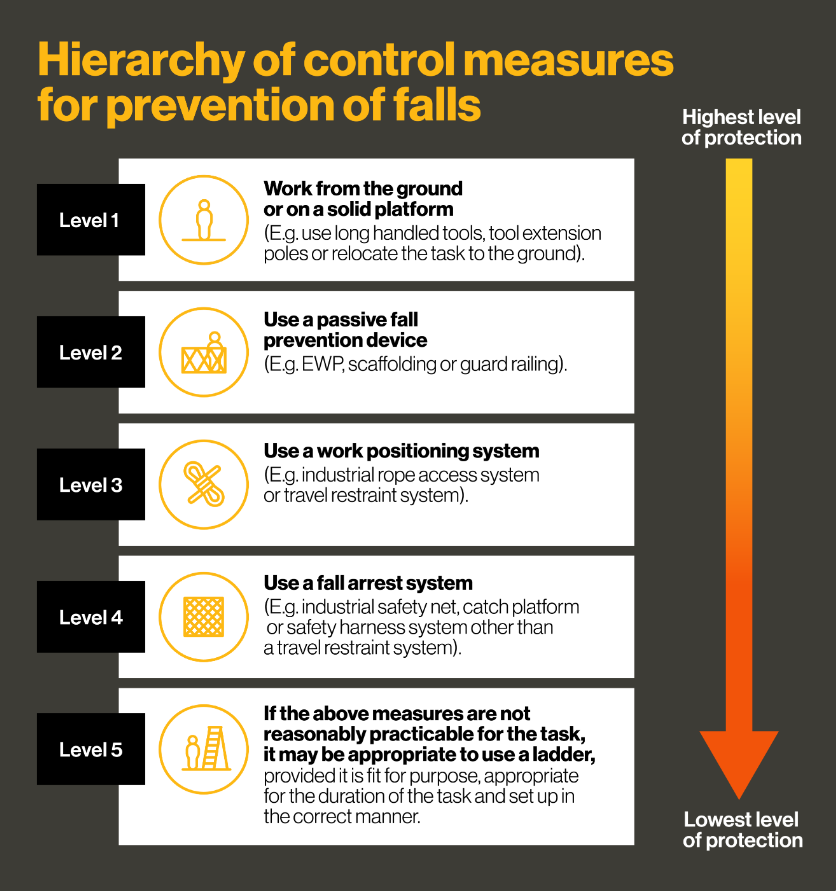
The hierarchy of controls outlines the various controls in order from the highest level of protection to the lowest level of protection. Select the safest, most appropriate control measure from the below hierarchy to prevent injuries or fatalities from falls from heights on your site.
Work on the ground or solid construction
If you can avoid working at height it should be your first option and is always the safest option. Some examples of eliminating the fall risk include using long-handled tools, relocating the task to the ground, and using extension poles for tools.
Use fall-prevention measures
If working from a height is necessary, you need to manage the risk of a fall. Fall prevention measures could be something like an elevated work platform, scaffolding, or guard railing.
Use a work positioning system
Check if a work positioning system like a travel restraint system can be used. A travel restraint system enables a person to work in a way that prevents the person from falling e.g. fixed-length lanyards and static line systems
Use a fall arrest system
Check if a fall arrest system like an industrial safety net, a catch platform or safety harness can be used. This system doesn’t prevent the fall but arrests the fall so you don’t come into contact with the ground e.g. shock absorber on lanyard or anchor point.
Ladder use
It may be appropriate to use a ladder. Ladders do not provide fall protection and as such should only be looked at as a last option when selecting the level of protection. Ladders should only be used for short duration works such as changing a light bulb or paint touch-ups.
Below is a great image from WorkSafe Victoria which has summarised the hierarchy of control measures for the prevention of falls. Click on the image below to view
Important: Where high-risk construction work includes a risk of a person falling more than 2 metres (3 metres in South Australia), a safe work method statement (SWMS) must be developed prior to work commencing.
Need more information?
Seek professional assistance
Working at height can often be high risk and there are experts who make it their job to complete this work safely. It is often safer and more cost-effective to use height specialists even for shorter jobs.
Make sure everyone knows what to do
Give your workers all the info they need to stay safe.. Conduct toolbox talks and remind them the importance of procedures and completing a SWMS (when required). Encourage them to watch out for each other and speak up if something doesn’t seem right.
Consistency is key
It’s important you and your team are actively involved in ensuring any heights related work is carried out in the safest way possible.
Resources
There are various WorkSafe / SafeWork websites, resources, and support tools on managing the risk of falls. Some examples include:
Need Help?
If you’ve got a question about working at height or any other health and safety matter, the HazardCo Advisory Team is here to help. Give them a call on 1800 954 702.
For building companies, scalability isn’t just a buzzword – it’s a necessity. Paul Dugdale of ARCA and Dale Spencer of Southern Ocean Building and Consulting (SOBAC), are shedding light on the importance of systems and technology when it comes to running an efficient, successful building company. Let’s dig into some key lessons from these experts.
Lesson 1: Find the right people
Getting the right people on board and equipping them with the right tools and systems is the first step in scaling your business. To do this, identify bottlenecks in your existing processes and work out how to relieve these through either automation, delegation, or elimination. Being proactive and identifying what the critical points are in your business and making sure these run smoothly is a great way to make your business more efficient.
Lesson 2: Get on top of your financial forecasting
Knowing exactly where you are and if you are on track (or not) with your budgets is key to making sure your business succeeds. Being able to forecast to identify any problems, allows you to make changes to manage these. The best way to do this is to use integrated software that gives you oversight across your business and can also make financial forecasting more efficient which saves you time and frees you up to work on other parts of your business.
Lesson 3: Systemise your business
At the heart of scalability lies the ability to use software and systems to improve efficiency. The key is to use simple systems that offer both high-level overviews and can also easily drill down into the details, empowering the right people to make informed decisions quickly and easily.
Lesson 4: Embrace the suffering
Running a business is hard! And even our experts admit that there’s always something that pops up to keep you on your toes. Having the confidence to know that whatever tomorrow brings because you have created strong and resilient systems in your business you will be able to deal with those problems, gain knowledge from them and create a strategy to fix them, will mean that you will continue to build a successful business.
Remember you can’t do it all so finding the right way to do it is the key to success.
Watch the full video to discover the systems and integrations that Paul and Dale have used to successfully scale and take their business to the next level.
Running a safe site isn’t just about wearing hard hats and harnesses; it’s about effective communication and staying aware of what’s going on on-site. One of the most powerful tools is the humble toolbox meeting. These gatherings are the backbone of ensuring everyone on site is up to speed with hazards and safe working practices.
Download the Simple Guide to toolbox meetings to get tonnes of ideas for toolbox meeting topics.
Why toolbox meetings matter
Toolbox meetings are a forum to highlight safety expectations and encourage participation from everyone on site. They don’t need to be lengthy; a quick stand-up meeting will do – maybe even with a side of chocky biscuits to sweeten the deal! We recommend holding these meetings weekly, or at least twice a month, to keep safety at the front of everyone’s minds.
Some building companies take it a step further by incorporating toolbox meetings into their daily routine. Starting each day with a brief safety discussion helps to make safety a daily habit, rather than an afterthought.
Running an effective toolbox meeting
The success of a toolbox meeting hinges on a few key factors:
- Planning: Choose a suitable meeting time, decide who needs to be present, and give them advance notice.
- Engagement: Keep the tone friendly and conversational. It’s not a lecture, it’s a discussion among teammates. This approach encourages everyone to get involved and share ideas.
- Leadership: Lead by example. Clearly outline your expectations and make sure you’re walking the talk.
- Simplicity: Avoid jargon and keep the discussion easy to understand
- Importance: Emphasize that attending these meetings is an important part of everyone’s job.
- Focus: Stick to one or two topics per meeting
- Documentation: Keep a record of attendees and discussion points, the HazardCo App makes this simple.
Topics to discuss
Here are some prompts to kickstart discussions in your toolbox meetings:
Toolbox meetings help with communication, collaboration, and continual improvement. Remember, safety is a team effort, and toolbox meetings are where that effort begins.
The HazardCo App includes all the on-site safety reports you need, such as a handy tool to record toolbox meetings.
Get a 7 day free trial.
Looking for something in particular?
Running a building business is hard at the best of times. Right now, with fuel prices putting pressure on the industry, a lot of business owners are carrying a weight that goes well beyond the...
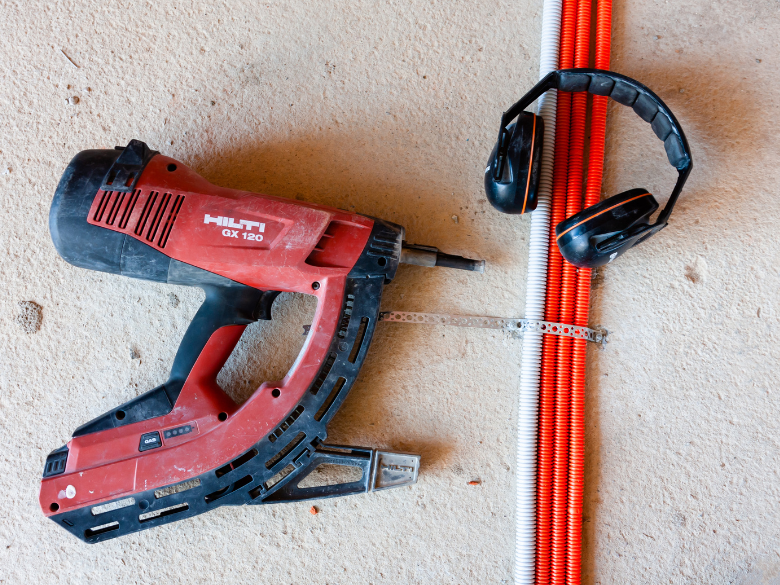
Nail guns are common on residential builds. Like any power tool, they can cause serious injuries if not used properly.
Most injuries happen when the gun discharges while being moved or repo...
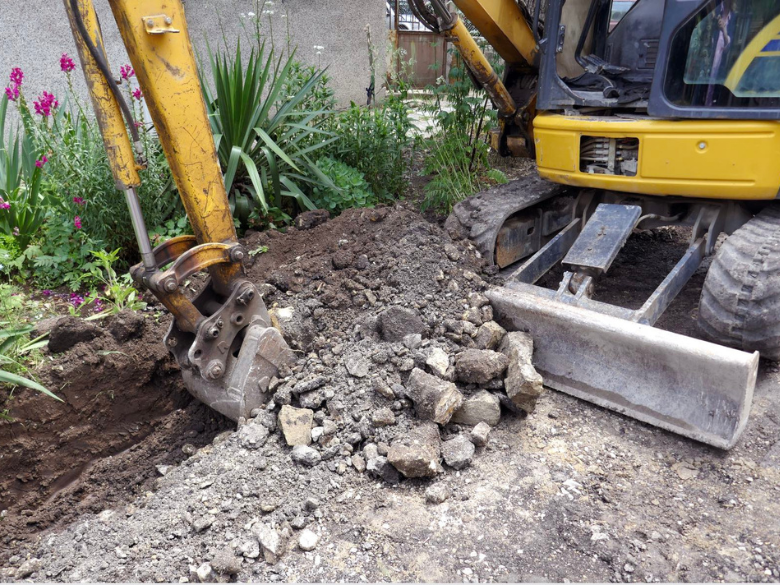
Excavation work means digging or moving soil, rock, or other materials with tools or machinery. It is often done when constructing buildings, building retaining walls, or installing undergroun...
Summer’s here. Are you ready for the heat?
Longer days and sunshine make it feel like the perfect time to crack into work. But while summer brings good vibes, it also brings its own set of ri...

Kick off the New Year safely on site
The holidays are done and dusted, and it’s time to ease back into work. Reopening your site safely is just as important as shutting it down properly and t...

The Christmas break is nearly here. You're probably counting down the days until you can relax and spend some proper time with the family and friends.
But before you lock up for the holiday...

We’ve heard all sorts of myths and misconceptions when it comes to health and safety. We’re here to debunk some of the more common ones we hear.
H&S admin takes too long on-site...

MSDs (Musculoskeletal Disorders) are the most common type of work-related injury in Australia. In fact, over half of all serious workers’ compensation claims in construction back in 2024 were ...
Health in the construction industry is often overlooked, but it has a huge impact on workers and businesses. Physical and mental health issues are among the biggest reasons for time off work a...

Got lone workers on your team? Here’s what you need to know
If someone on your team is working by themselves without other people around and without direct supervision, they’re likely conside...
Take the Hassle Out of Toolbox Meetings.
Toolbox meetings don’t need to be a paperwork mission. With the HazardCo App, you can run quick, focused chats straight from your phone. No prep, no p...

Get your team scanning in and out – it’s a no-brainer!
We get it, health and safety chats aren’t always the most exciting. But they are the most important. When everyone on-site takes part,...