Good health and safety processes and systems lay the foundation for success with any project but are even more important with bigger builds and multi-dwelling residential projects.
This blog will dive into managing health and safety in complex construction projects and look at how to set up effective systems to lay a solid foundation for your next big project.
Why focus on health and safety in multi-dwelling projects?
At HazardCo, we keep a close eye on industry trends to make sure our content and tools are relevant and useful. Over the last 12 months, there has been a significant increase in council consents for multi-dwelling residential projects. There are now more consents issued for multi-dwelling projects than stand-alone builds.
Multi-dwelling projects are bigger, more complex, and have more layers of overlapping duties, creating a need for a solid health and safety plan from the very start of the build. We also consistently see that businesses that set up good processes and systems within their business and who have a strong safety culture, do better than their competitors who don’t invest in these areas..
Common myths in multi-dwelling construction
In talking to our customers, we’ve encountered several myths about multi-dwelling projects:
- Responsibility myths: Builders and trades often think they are only responsible for their own health and safety, while developers or main contractors believe they are not responsible for overall site safety.
- Risk assessment myths: Some believe there is no additional risk in multi-dwelling builds compared to standalone projects.
- Cookie Cutter Model: Many assume that using the same safety plans and procedures across different projects is sufficient. However, each site and build is unique, with its own set of challenges and risks.
Overlapping duties and responsibilities
In multi-dwelling projects, overlapping duties are unavoidable. All businesses involved must consult, cooperate, and coordinate with each other. Good communication and sharing information is critical to managing these overlapping responsibilities and creating a safe site.
To incorporate consultation, coordination, and cooperation into your construction business, start by planning each stage of the work and think about how it affects your contractors, other businesses and the public. In this process, you need to identify the risks that need to be managed and talk to who is impacted about how to handle them. With your contractors decide who’s best to manage each risk and make sure everyone knows their roles, responsibilities, and what’s expected of them.
Unique challenges of multi-dwelling projects
Compared to standalone residential projects, multi-dwelling builds involve more contractors, equipment and activities on a smaller site, which increases risks. Key considerations include:
- Contractor management: Managing multiple trades on-site at one time.
- Height and equipment: Multi-dwelling projects often involve taller structures and more heavy machinery e.g cranes.
- Traffic and pedestrian management: Managing the increased traffic of vehicles and pedestrians around the site.
- Materials: Managing increased delivery and storage of materials on-site
- Utilities: Dealing with both overhead and underground utilities.
- Environmental impact: Planning for construction waste and protecting the environment.
- Emergency planning: Comprehensive plans for various emergencies, beyond just fires and earthquakes.
Contractor management
Contractor management and the logistics of contractors on site is a major challenge on multi-dwelling projects. Successful contractor management starts before they even enter on to a site, and involves checking contractors have the right qualifications, health and safety processes, and a good track record. Pre-planning and continuous monitoring of your contractors, when they are on site, is essential to prevent injuries and ensure smooth project execution.
If you would like to know more about contractor management, check out our Simple Guide To Contractor Management
High-risk work areas
Key high-risk areas in multi-dwelling projects create another unique challenge for these projects and can include the following:
- Working at heights: As most dwellings are two or more stories. Proper planning and safety measures for working at elevated levels, including the use of scaffolding, cranes
- Machinery and vehicles: Safe operation and coordination of heavy equipment.
- Utilities: Avoiding incidents with power lines and underground utilities.
- Excavations: Proper planning of excavations and management of works and machinery
Successful health and safety management sets your project up for success
Businesses that have good processes and systems in place do better across the board and they are more likely to complete projects on time and on budget. This creates happy clients and a better reputation in the industry.
Successful multi-dwelling projects often include:
- Early health and safety planning: Integrating safety into the planning stages to create a safer work environment.
- Continuous monitoring and reviewing: Regular checks and updates to safety processes throughout the project.
- Clear communication and coordination: Ensuring all contractors are informed and aligned on health and safety practices.
The shift towards multi-dwelling residential projects brings new health and safety challenges. By debunking myths, understanding overlapping duties, managing contractors effectively, and focusing on high-risk areas, you can make your sites safer! Remember, health and safety planning is not just a regulatory requirement but a vital part of protecting the crew on site.
If you have a new project in the pipeline, let’s work together to keep your sites safe and successful. We have specifically designed Project Pro to meet the complex needs of multi-dwelling residential builds which includes extra support from our advisory team. Get in touch today!
Whether you’re carrying out extensions, renovations, flood remedial work, large landscaping jobs, or you are engaging contractors or have the clients living/working on-site, HazardCo can help.
First, you will need to think about how you will manage health and safety on-site and how you will communicate this with other people involved, such as the homeowner, or other contractors on-site. This will make sure that everyone is on top of the site hazards and practicing good health and safety during your project.
HazardCo Projects
A HazardCo Project contains site-specific resources for that job, including:
- A site-specific safety plan (SSSP)
- A site-specific Hazard Board
- Site-specific QR code for inductions on first visit and scan in/out thereafter
- Resources to help you manage your on-site health and safety through the HazardCo App and Hub
- Project overview in the ‘’HazardCo HUB” for real time on site activity
- Ability to upload documents that can be visible for inductions via QR code
You can also open up the App for all your contractors when they are on-site by upgrading to Project Plus – talk to the team for more information.
How can you determine whether you need to order a HazardCo Project?
If you meet any of the following requirements a Project could be needed.
- Are you the main contractor?
The main contractor should be the one that creates a Site Specific Safety Plan (SSSP) and this needs to be be shared with all workers, including contractors involved in the work. This will make sure workers are aware of the risks and hazards that are involved in the job. Throughout the project, there should be ongoing communication between all parties, and the risks reviewed regularly on-site. For more information about responsibilities check out our blog.
- Will you be making any structural changes?
Ordering a project and setting up a SSSP will help identify the controls that will be put in place to manage risks, generally, this type of work can take time, and therefore we recommend ordering a Project and using the HazardCo App to assist your health and safety needs on-site.
- Will you be engaging contractors?
If contractors are going to be engaged in the work, then a Project will likely be needed, but this also depends on the type of work and length of the job. So if you’re unsure, just give us a call and we will be happy to assist.
- How old is the building?
Any property built before the year 2000, could contain asbestos. Creating a SSSP helps identify the controls that will be put in place to manage this risk. For more information about asbestos check out our blog. We also recommend that all trades should complete an asbestos awareness course. Our members get a 10% discount with SafetynAction, you can also check out an article from them about a recent asbestos prosecution of a trade.
- Is there anyone living on-site while the work is taking place?
When clients live in their homes during construction or renovation, various health and safety risks arise, including respiratory issues from dust, hearing damage from loud noises, trip and fall hazards, structural instability, electrical shocks, fire risks, sanitation problems, and increased stress.
If none of the above apply, you will need a Team Pack Plus
The Team Pack Plus is designed for those who move regularly from job to job and are not usually managing larger projects. These are great for managing client inductions and safety procedures while on the go. Our Team Pack includes:
- A sturdy, water-tight site box that acts as a portable Hazard Board, designed to be taken from job to job
- A QR code to keep your client inductions simple and effective
- A 1kg fire extinguisher
- A first aid kit
- A workbook to help you manage safety while you work which takes you through everything you need for inductions, safety procedures and hazard identification and management
How HazardCo can help
We recommend that you use the HazardCo App and Hub to manage your on-site health and safety. At the beginning of each day, complete a Risk Assessment on the HazardCo App. This will help identify that the work area is safe and make sure that you have the correct controls in place. Due to the nature of renovation work it is important that you consider noise and dust (examples; asbestos, silica and wood) and how you control these risks. A Task Analysis (TA) should be completed for all high-risk work. You can find out more information on completing Task Analyses by clicking here.
At the end of each day, make sure that you tidy up the work area and make sure that everything is made safe. If the work area cannot be entered after hours due to work or health and safety risks then this should be clearly communicated to your client. We recommend that this is also documented to them via an email or text message so you have evidence that this has been communicated.
Remember to use the HazardCo App to report any incidents on your site and the task function to report hazards.
Also, remember to record your Toolbox Meetings with your team. We recommend that you complete at least 2 Toolbox Meetings per site, per month. This demonstrates good consultation and communication with your team.
If you have any questions about your renovation work, give our friendly HazardCo Team a call. As part of your membership, you have 24/7 incident support and advisory support during business hours via 0800 555 339, so don’t be shy – get in touch with us and we’ll help you make your site a safer one
Maintaining clean amenities is just as important as keeping your site nice and tidy. Employers have a duty to provide adequate workplace amenities/facilities, including toilets, that are in good working order, clean, safe and accessible.
When planning amenities on your site, consult with your workers to understand what will be needed. Getting them involved will give you the opportunity to provide information, training and instruction on things like keeping the site amenities clean and reporting any problems.
Portable Toilets
More often than not portable toilets are not maintained in a safe or hygienic way. Employers must make sure that toilets are cleaned and serviced regularly, making sure they are safe to use, just like any other on-site machinery.
Toilets should also:
- Be completely enclosed, to ensure privacy
- Be provided with a door that can be locked from the inside
- Have enough water for flushing and washing hands
- Stocked with toilet paper, rubbish bins and hygienic means to dispose of sanitary items
- Supplied with soap or a suitable alternative such as alcohol based sanitiser
Don’t forget, the toilet should be easy to access in all weather conditions and be placed on stable, flat ground to ensure it can operate properly.
Drinking water
Clean drinking water must be supplied to workers by installing site water taps as early as possible. If the mains have not been connected, provide workers with drinking water in containers, coolers or flasks.
Meal and shelter facilities
Workers should have a clean and sheltered area for meals and rest breaks. A garage or a similar sheltered area can be used or a vehicle cab if there is no other reasonably practicable option, so long as basic requirements for worker rest can be met.
Not meeting these requirements can lead to a risk of infection, disease, psychosocial harm or infringements/enforcement from the Regulator. Planning is key to ensuring you and your team have what you need in place from start to finish.
As always, if you have any questions please give our team a call on 0800 555 339 or contact us.
It’s important for young people starting out in construction to understand how to stay safe at work. Young workers lack experience and might not know about all the hazards yet, which could put them in danger of getting hurt. Sometimes young people might feel like they have to impress others, or they might think they’re better at the job than they actually are, they may also forget about safety rules or be afraid to speak up if something seems unsafe. Because of this young workers have additional needs and should be supervised when working on-site.
Positive safety culture onsite comes from the top down, supervisors should be actively modeling and training young workers about safety rules, make sure they have the right gear, and encourage them to speak up if they see any problems.
There are some jobs that young workers shouldn’t do because they might not have enough experience or strength yet. Supervisors need to make sure young people can handle their tasks and keep an eye on them until they are sure they are able to do the work safely. Young workers also need to think about their own safety, listen to instructions and follow safety rules.
When everyone works together to stay safe, it helps make sure everyone goes home safely at the end of the day.
Now, let’s delve deeper into some specific measures that can be taken to ensure the safety and well-being of young workers in the construction industry:
- Comprehensive training: Employers should provide thorough training before they begin any tasks. This training should cover specific job duties and safety procedures, hazard identification and emergency protocols. By giving young workers the necessary knowledge and skills, employers can empower them to work safely and confidently. Basic health and safety should be incorporated into their training from the start, and ongoing support should be provided to address any gaps in understanding. Regular check-ins to gauge their comprehension and comfort with procedures and equipment are essential.
- Clear communication: Good communication is key to creating a safe work environment. Employers should clearly communicate safety expectations and procedures to young workers, making sure that they understand their responsibilities and know how to respond in different situations. Young workers often have fresh perspectives and questions that can lead to improvements. Encouraging them to voice their ideas can contribute significantly to a safer workplace for everyone.
- Supervision and mentorship: Experienced workers can play a vital role in guiding and mentoring young workers on construction sites. Assigning a mentor or supervisor to oversee the work of young workers can help prevent incidents and ensure that tasks are completed safely and correctly. This also provides young workers with an opportunity to learn from experienced builders and develop their skills over time.
- Lead by example. Supervisors play a critical role in ensuring workplace safety. They should actively monitor work practices, correct unsafe behaviors, and be available to answer questions. Providing ongoing support and guidance to supervisors, especially if they are also young workers, is essential for maintaining a positive safety culture.
- Regular safety inspections: Regular inspections of the work site should be conducted to identify and address any safety hazards or potential risks. Employers should involve young workers in these inspections, encouraging them to participate in hazard identification and risk assessment. By regularly assessing and addressing safety concerns, employers can create a safer work environment for all workers.
- Ongoing education and support: Safety education should be an ongoing process. Employers should provide regular opportunities for training and development, keeping young workers informed about new safety regulations, procedures, and best practices. Additionally, employers should offer support and guidance to young workers as they navigate their roles and responsibilities in the workplace.
- Create a positive culture: Creating a positive safety environment involves more than just having policies in place. Supervisors should consistently reinforce safety practices and lead by example by wearing personal protective equipment. Implementing a buddy system can also provide additional support to young workers, allowing them to learn from experienced colleagues while fostering a sense of teamwork and collaboration.
Employing young workers in the construction industry has benefits for the young person, the company and for the industry as a whole as the next generation of builders learn and grow into future roles. By prioritising safety and investing in the well-being of young workers, employers can create a culture of safety that benefits everyone involved. Together, we can build a safer and more secure future for the next generation of construction workers.
If you have any questions, get in touch with the HazardCo team today
Tools, vehicles, and heavy equipment all create vibrations that can affect your body. This is a normal part of any tradie’s day, whether you’re picking up power tools or jumping in the truck. It’s so common that many don’t realize the potential harm these vibrations can cause. However, it’s something you should start thinking about and being aware of.
How are workers harmed?
Vibrations are a natural part of working on any construction site but they do create a risk to you and your workers. Repeatedly using vibrating hand and power tools, or being around vibrating vehicles and machines can lead to serious and lasting harm to your blood vessels, nerves, and joints. Many of the most commonly used items give off some form of vibration. Here are the most common ways tradies are exposed to vibrations:
- Power tools
- Trucks and machinery
- From our working surfaces being exposed to vibrations (including break or smoko areas)
While these are the most common forms of exposure, the below should also be considered as they increase the risk of overexposure to vibrations:
- Working in cold and damp conditions
- Increased grip force
- Working with power tools for extended periods
Early warning signs
We understand that for many tradies, working with vibrations is a natural and unavoidable part of the job. With that in mind, there are a few warning signs and symptoms of overexposure to keep an eye out for:
- Tingling and numbness in your fingers (which can lead to distributions to your sleep patterns – not ideal!)
- Loss of feeling in your fingers
- Loss of strength, both grip and holding, in your hands
- Fingers turning white and red when working in cold/ wet conditions
If you are continually exposed to vibrations especially in your hands and arms you can develop hand-arm vibration syndrome (HAVS) or carpal tunnel syndrome (CTS)

What you can do to manage risk
It is up to everyone on-site to look out for each other. Consultation with your team should take place to make sure an environment can be created where excessive exposure to vibrations are eliminated when possible or minimised when they can’t be avoided.
Below are simple yet effective ways to either eliminate or minimise the effects.
- Use suitable low vibration power tools where possible
- Use the right tool for the job – don’t use a power tool to get the job done faster when it is not required. Enjoy the task, don’t rush
- Look after your tools, trucks and machinery – get them serviced regularly, repair any breaks or faults as soon as possible and store them properly – keep them out of the cold and rain
- Avoid gripping or being too forceful with a tool, a practical way of doing this is to set up your work area to give you the best possible posture when using the tool if you can.
- Keep your body moving and take a break if needed
- Wear the correct equipment and clothing
Above all else, be aware that vibrations can be extremely harmful, especially when you’re exposed for lengthy periods of time.
Your best tool for minimising the effects of vibrations is to start a conversation with your boss, or your team, and put steps in place to look out for each other and your equipment.
Worksafe resources: https://www.worksafe.govt.nz/topic-and-industry/vibration/
Respiratory Protection Equipment (RPE) is essential gear for protecting you from inhaling hazardous substances. In this blog, we’ll explore the important role of RPE, whether you are dealing with airborne contaminants like asbestos, fumes, or dust, RPE is an essential protective equipment (PPE) that makes sure you can breathe safely. Join us as we deep dive into the different types of RPE, their applications, and how they can protect you from potential health risks.
Before you even get started with RPE, make sure you have other practical control measures in place first; such as local exhaust ventilation or direct dust-extracted tools with a vacuum catchment to get rid of the majority of contaminants in the air. You should also be keeping an eye on your team’s health and workplace conditions to ensure that, over time, they aren’t being made sick or getting injured by their work.
Remember, there is no such thing as a healthy dust, even if you are outside!
We’ve gone ahead and put together a quick guide of factors to consider when providing your workers with RPE.
Types of RPE
Dust masks are basically the bottom of the list of ways to protect yourself, we would not recommend using these as they are mostly ineffective at creating a seal between you and the contaminants.
Respirators use replaceable filters to remove contaminants to clean the air for the wearer. They come in half-face and full-face versions. The cartridge filters are specific to certain types of contaminants, ask your manufacturer exactly which cartridge you should be using for the respirator you have and the contaminants you will be facing.
Remember if you have stubble or any facial hair you may not be getting the seal and the protection you think you are! So if you love your beard as much as your lungs read on to find out what you can do.

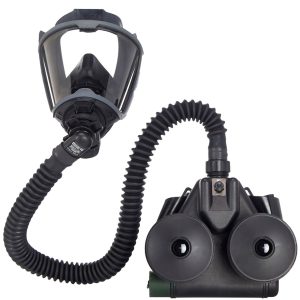
Powered air purifying respirators (PAPRs)
Are made up of headgear and fan assembly that take contaminated air, filters it, and then delivers the clean air to the user. These are also known as positive pressure systems. These not only keep you nice and cool, but offer the highest protection there is for people who have facial hair. Something to note with these is that the visors and headset can be impact rated if you need it, and don’t fog up because of the airflow
Supplied air respirators
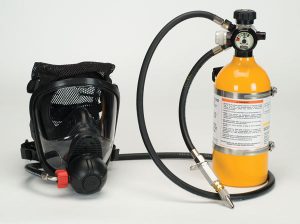
Provide a supply of clean air to the wearer from a source such as an air compressor or cylinder. It’s important to note that the air supply needs to be checked regularly to make sure that it is safe to use – just think about what you see coming out of your air compressor when you release the valve under the air tank! The user must also be trained in how to use the system. If using these RPE’s you need to notify WorkSafe.
Using respiratory protection equipment
It’s important for your workers to visually check their RPE for signs of damage before each use to identify any issues, including whether it needs to be cleaned or decontaminated.
Make sure your team keep their RPE on while working in the hazardous area. Removing it for even a short period of time is a risk to their health.
Did you know that they come in different sizes? One size does not fit all!
If your workers are using RPE then make sure they are fit tested, this way you will know who needs what size, otherwise it may not work and give the protection your workers need.
The manufacturer of the RPE can tell you who can do this testing.
There are two checks which you need to do each time you use and RPE:
1 – check for damage visually to the sealing surfaces and straps
2 – check the valves are functioning correctly like WorkSafe images below

Image Source: Worksafe New Zealand
Keep in mind that if your worker’s safety glasses fog up while they are wearing a half-face respirator, this is a sign that there is a leak at the top of the respirator which means they are not getting full protection.
Life Shavers: Shaving your beard could save your life
When your workers are wearing respiratory protective equipment at work, they must be clean shaven to ensure it is forming a seal and protecting them from breathing in hazardous materials. Even a small amount of stubble can prevent RPE from sealing correctly which means your workers will still be inhaling harmful materials which may cause health concerns. A clean shave goes hand in hand with the correct RPE for the job.
It’s your legal responsibility to monitor your workers’ health. Make sure that you are completing regular Site Reviews on the HazardCo App, as this will help you to identify potential hazards and put effective plans in place. Your HazardCo Support Team is available throughout the day to guide you through this – call 0800 555 339 to talk it over.

Image Source: Worksafe
Exposure to silica dust has been spotlighted as one of the major risks to workers in the construction industry. According to 1 NEWS, more than 100 enforcement actions have been taken against Kiwi businesses since alarms were raised in Australia, where there have been several deaths from silica dust.
What is silica dust?
Great question! Silica dust (crystalline silica) is found in some stone, rock, sand, gravel, and clay. You’ll mostly come across it in the following products:
- Bricks
- Engineered stone
- Tiles
- Concrete
- Some plastic material
When these materials are worked on, a fine dust is released known as respirable crystalline silica or silica dust. And it’s this dust that is harmful when inhaled into your lungs.
How can workers be exposed to silica dust?
You may be exposed to silica dust if your work involves:
- Construction
- Kitchen benchtop manufacturing, finishing and fitting
- Abrasive blasting
- Manufacturing of concrete, bricks and tiles
- Monumental masonry work
- Concrete drilling, cutting, grinding, fettling, mixing, handling, dry shoveling, tunneling
- Quarrying and roading
- Foundries
Are there significant health risks?
Yes, and they can be serious if the right precautions aren’t taken. Silica dust is 100 times smaller than a grain of sand, you can be breathing it in without even knowing it.
Workers may develop a series of lung diseases from breathing in silica dust, including silicosis, lung cancer, and chronic obstructive pulmonary disease. There is also some evidence that exposure to the dust may cause kidney disease.
What can be put in place on-site to mitigate the risks?
To follow health and safety laws, businesses should eliminate or minimise exposure to hazards by controlling the risks. For silica dust, this can be done in many ways:
Isolate work areas: Use physical barriers or computer numerical control (CNC) machines.
Look for dust control features: When buying equipment ensure dust-generating equipment has a dust collection system with a filtered air supply.
Use a H-class vacuum cleaner: Workers should not be using household vacuums to remove dust.
Set up exclusion zones: Mark the boundaries of work areas where dust is created. The signs should warn workers and specify the PPE to be used.
Personal Protective Equipment (PPE): PPE should not be the first or only control measure you consider but should be used. Seek expert advice when choosing it and consult with the worker who will be using it.
On-tool extraction: Use Local Exhaust Ventilation (LEV) that fits directly onto the hand-held machines. This is one of the most effective ways of controlling dust.
Water suppression: To be used when LEV is not suitable. Water should be used through non-electric tools to wet dust down at the point of dust generation. Also, make sure equipment and work areas are cleaned regularly with water.
Respiratory (breathing) protection: The type of respirator you choose will depend on the job and the levels of toxicity. Always choose a respirator that fully protects the worker and carry out fit testing so it is sealed tightly against the face.
Exposure and health monitoring: Provide health monitoring for all your workers who may be exposed to silica dust. You can engage with an occupational health practitioner at Habit Health – HazardCo customers even get a special discount.
Training: Health and safety starts with educating your workers. Provide them with information, training, and instruction on the control measures and the potential health impacts.
Remember employers are required to ensure the health and safety of their workers and others at their workplace, and have a duty to control the risks associated with the job.
At HazardCo, we’re all about education and equipping workers with the knowledge they need to get home safe at the end of the day. Educating everyone on-site about the danger and what we can do to reduce them creates a healthier worksite for everyone.
If you have any questions or want to know more about how to protect your team, get in touch today.
The workplace hazards that create risks of harm to psychological (mental) health are known as psychosocial hazards. These hazards, when excessive or prolonged, can cause serious harm. It can have a significant impact on workers, their families and business.
Mental health problems are common, with nearly one in two New Zealanders likely to meet the criteria for a mental illness at some time in their lives. Workplaces that prioritise mental health have better engagement, reduced absenteeism and higher productivity, while people have improved wellbeing and greater morale.
Psychosocial hazards can come from:
- Work relationships and interactions, including bullying, harassment, discrimination, aggression and violence
- The way the work or job is designed, organised and managed
- The equipment, working environment or requirements to undertake duties
What are some of the work-related factors that affect a mentally healthy work site?
- Work-related violence and aggression
- Workplace bullying
- Poor support
- Lack of recognition and reward
- Low role clarity
- Poor organisational justice
- Remote and isolated work
Whose responsibility is it to manage psychosocial hazards?
Workplaces have a legal responsibility to manage risks to mental health and wellbeing just like they do any other health and safety risk.
Knowing where to start can feel overwhelming but getting started doesn’t have to be. Take action to improve the mental health of your team today.
Tips to help build and maintain a mentally healthy work site:
Create a more positive and supportive work site.
-
- Develop an action plan in consultation with your workers about what you can do together.
- Check-in on your workers regularly. Start a genuine conversation. Ask your worker how they are going, and listen.
- Encourage respectful behaviour and communication.
- Walk the talk and lead by example. Supervisors demonstrate their commitment by being supportive and positive on site.
- Show your commitment by supporting mental health organisations and getting involved in awareness events.
- Reinforce the good behaviours regularly and address bad behaviours as they appear.
- Commit to zero tolerance for bullying, discrimination and violence/aggression.
- Encourage and support employees to bring up concerns when they notice unacceptable behaviours.
Establish awareness and support for workers experiencing mental health issues.
-
- Consistently raise awareness about mental health and well-being by having discussions such as 1:1 chats and tool box talks.
- Share information with your workers on mental health and how to seek help to help break the stigma. Posters, emails, and discussions can all be used.
- Encourage staff with mental health conditions to seek treatment and support early.
- Support staff with mental health conditions to stay at or return to work.
Celebrate workers and their efforts.
-
- Praise employees and give regular positive feedback for good work.
- Celebrate team success. A morning tea / BBQ is also great for team bonding.
Take steps to improve role clarity and job satisfaction
-
- Monitor and manage workloads regularly and increase input in how workers do their work.
- Have ongoing and regular conversations with employees about their performance and behaviour.
- Make sure your employees are clear about their roles. Position description, regular 1:1 catchups and reviews.
- Offer opportunities for learning, problem-solving and personal development.
- Support learning – provide opportunities for workers to learn and sharpen their skills, and set interesting challenges.
If you have challenges on your work site related to psychosocial hazards, give us a call for advice. As a HazardCo member you can have a chat with the experienced health and safety Advisory Team for no extra cost.
Lithium batteries are common in everyday life and on the worksite, their lightweight, long life, interchangeability and quick charge benefits mean that they are now used in everything from laptops to power tools to EVs. But did you know that they pose a significant risk and need to be a part of your health and safety plan?
What’s the risk?
Lithium batteries of all sizes have the potential to overheat and catch fire. The fire is hotter, harder to put out and the smoke from these fires is incredibly toxic. Lithium batteries generally overheat if they get wet, damaged or are used with incorrect charging equipment.
Damaged batteries can explode at any time giving off flames that burn anywhere between 500 and 1000 degrees celsius. These fires are very difficult to extinguish as both water and CO2 will only suppress the fire, not extinguish it. Even if the fire has been suppressed it can still ignite again if the battery still contains energy to burn. Lithium batteries are also prone to thermal runaway, which is where one small fault can spread quickly through the battery causing a rapid increase in temperature and potential explosion.
Because of this, lithium batteries need to be properly cared for according to the manufacturer’s instructions to minimise the risk, aside from that, you need a plan in place in case of a fire.
Hot tip: The bigger the battery the bigger the risk of fire and explosion because of the increase in stored energy being released, think energy in = energy out almost instantly so take extra care with larger battery packs – like the ones in your hand held power tools.
Ways to minimise the risk
- Storage: Keep lithium batteries away from spaces where a fire could ignite other things and spread easily. Also, keep them away from extreme temperatures and moisture.
- Charging:
- Always use the correct charger for the battery and do not over charge. Incompatible chargers lead to overcharging and overheating increasing the risk of fire.
- Do not leave batteries charging overnight or unattended. Noise and smoke are early warning signs.
- Consider using a smart charger that monitors battery status and can disconnect power if there is a fault.
- Remote disconnection: Provide easily accessible means for remote disconnection of the battery, think about if you would need to move past it to switch it off at the source if it went up.
- Enhanced fire safety measures: Put in place fire-resistant measures near charging sites. For example; Smoke alarms and fire extinguishers. Wherever possible charge in a cool dry place that lessens the chance of a fire getting into a structure.
- Monitor: Always check equipment for damage during and after use. Damage could include signs of being dropped, crushed or punctured.
- Emergency preparedness & PPE: Develop emergency response plans specific to lithium battery fires, including clear evacuation instructions. Provide clear training on the dangers, insulated tools and appropriate personal protective equipment (PPE) such as insulated gloves for employees involved in any equipment/battery maintenance, or better yet, give it to a professional to get it checked.
Safe lithium battery disposal
Never dispose of Lithium batteries in general rubbish as it can result in a fire in your bin or on the way to a transfer station, creating a risk to those transporting them. The manufacturer should be able to advise safe disposal or check out your local battery recycling centre.
Lithium batteries are going to continue playing a crucial role in our workplaces and lifestyles, so it’s necessary to recognize the potential hazards associated with them. By having awareness of these risks and good practices, we can work together to reduce the potential dangers, resulting in safer working environments where Lithium batteries are used.
If you have any questions, give the Hazardco team a call today!
Making sure your scaffolding is safe and ready for action is key. Here are the times you’ve got to give it a good once over:
- After Installation: Right after it’s set up.
- Every 7 Days: Yep, regular check-ups like clockwork.
- After Tweaks: Any time you make changes, give it a good once-over.
- Post-Storm or Shake-Up: If mother nature throws a fit, give it a look.
- Daily Check Before Use: A quick safety scan before diving in each day.
All scaffolds must be checked by a competent person before handover and scaffolds taller than 5m must be erected and inspected by someone who holds the appropriate Certificate of Competence (COC). Handover checks involve tagging the scaffolding. No matter the height, all scaffolding must have a tag clearly displaying important safety information at access points. The tag should include the following:
- Safety Status: Whether it is safe or unsafe to use.
- Contact details: The name and contact phone number of the person who erected it
- Purpose: What the scaffold is being used for
- Weight Limits: The weight loadings of the scaffold
- Platform limits: The maximum number of platforms or bays that may be loaded
- Limits of Use: Any limitations on the use of the scaffold
- Records: A record of each inspection including who inspected or altered the scaffold and when it was done.
If there’s no tag, do not use it! Get in touch with your scaffold installer to sort it out and get it tagged.
Before starting each day, a pre-start check should be done. This can be done by a competent scaffold user using the HazardCo scaffolding pre-start checklist available from the Hazardco HUB.
Every week a certified scaffolder (if over 5m) or competent person (under 5m) should be checking the scaffolding to make sure it is safe. If the inspector has found any damages or non-compliant areas of the scaffold, then the access ladders need to be removed and the tag updated stating the scaffold is not compliant and should not be used.
A thorough inspection of your scaffolding should also be conducted after any tweaks, fixes, or wild weather. And don’t forget to keep records of all these inspections.
If you have any questions get in touch with the team at HazardCo or have a look at our other working at heights blog here
Looking for something in particular?

Whether it’s a tractor in the field, a conveyor belt in the packing shed, or a digger on-site, your equipment does the heavy lifting. While these tools make work easier, their power and speed ...
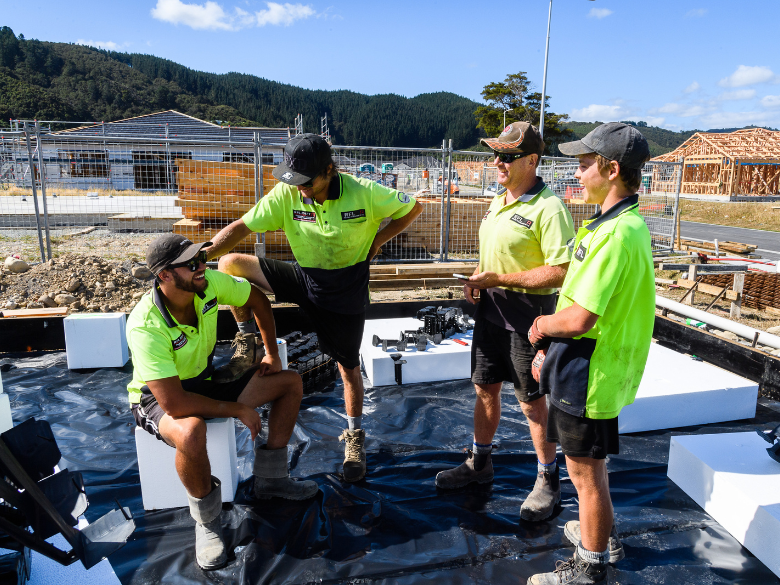
Running a building business is hard at the best of times. Right now, with fuel prices putting pressure on the industry, a lot of business owners are carrying a weight that goes well beyond the...
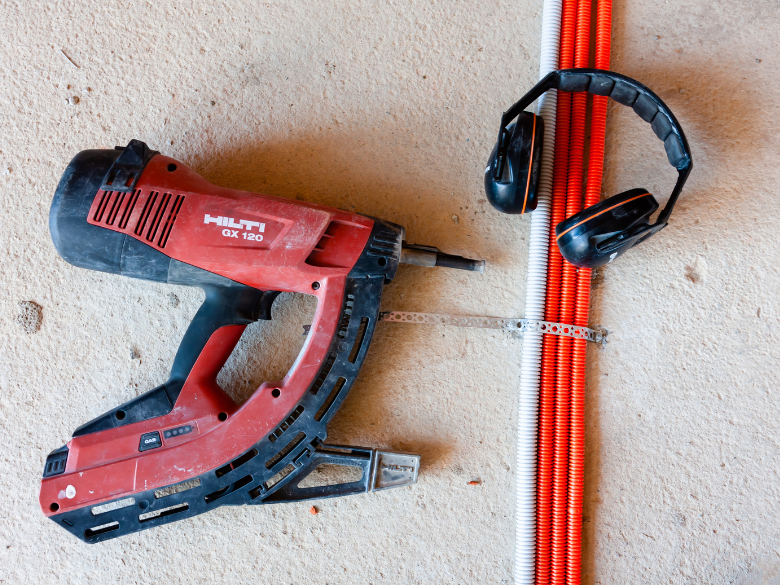
Nail guns are common tools on residential builds. Like any power tool, they can cause serious injuries if not used properly.
Most injuries happen when the gun goes off while being moved or ...
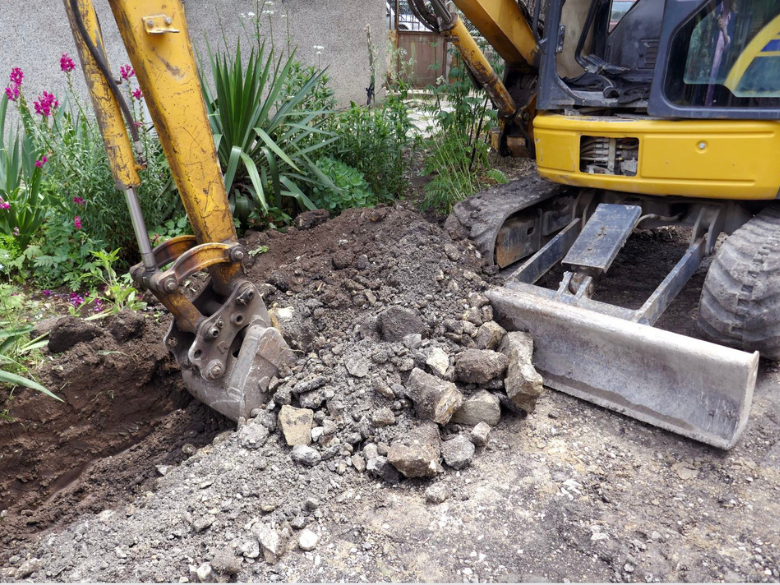
Excavation work means moving or removing soil, rock, or other materials with tools or machinery. You’ll come across it on most construction sites whether you’re building a new home, putting in...

Summer’s here. Are you ready for the heat?
Longer days and sunshine make it feel like the perfect time to crack into work. But while summer brings good vibes, it also brings its own set of ri...

Kick off the New Year safely on site
The holidays are done and dusted, and it’s time to ease back into work. Reopening your site is just as important as shutting it down properly and the New ...

The Christmas break is nearly here. You're probably counting down the days until you can relax and spend some proper time with the family and friends.
But before you lock up for the holiday...

Good health and safety isn’t about stopping work, it’s about having simple, clear processes so everyone understands how to get the job done safely.
When you plan the work and manage the ris...

The hidden danger on-site: Silica dust
Construction sites come with plenty of obvious hazards but some of the most dangerous ones are the ones you can’t see. One of those hidden risks is res...

Slips, trips, and falls, don’t let them take you down!
Slips and trips might seem harmless, but on-site, they’re one of the biggest causes of injuries. A bit of ground clutter, a wet floor,...

Your business is only as strong as your people. When workers get injured or struggle with stress, everyone feels it through missed deadlines, extra pressure, and lost skills on-site.
The go...

Got lone workers on your team? Here’s what you need to know
If someone on your team is working by themselves without other people around and without direct supervision, they’re likely conside...