



Working on a HazardCo site? One tool, all corners covered – in your back pocket!


Are you ready for the unexpected?
Jun 11, 2026
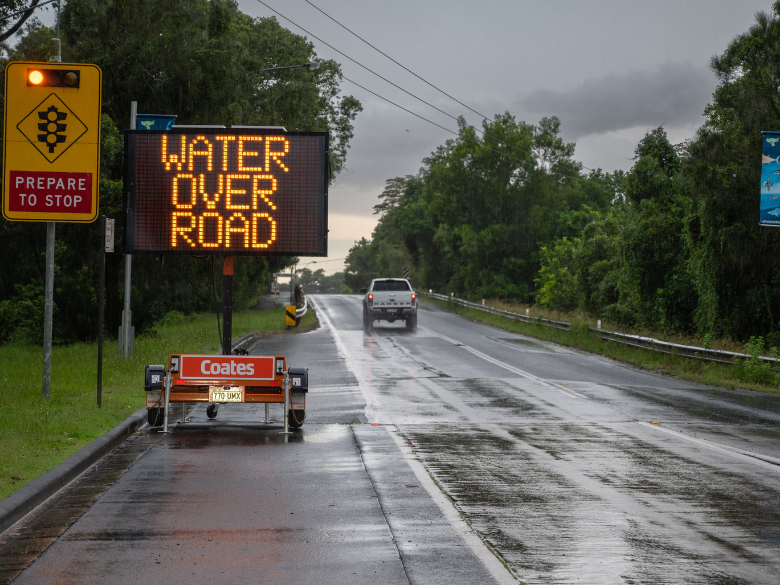
Emergencies and natural disasters don’t give you a heads-up. While you can’t predict when a flood or a fire will happen, you can absolutely make sure your business is ready for it. Having an emergency plan isn’t just good practice, it’s an important part of meeting your health and safety obligations and helping protect your workers if something goes wrong. Operating without one is a massive risk for your business and your mates on-site.
Ask yourself: do you and your team actually know what to do if things go pear-shaped?
What your plan needs to cover
Keep it straightforward. Your plan should clearly show:
- The plan: Clear procedures for fires, medical emergencies, severe weather events, and other site-specific hazards.
- The go-to people: Designated assembly points, wardens, first aiders, and emergency contact numbers.
- Who’s who: Up-to-date contact details for workers, staff, subcontractors, suppliers, and clients.
- Plan B: What to do if you’re completely locked out of your site or office.
How to build it
When you’re putting your plan together, you don’t need to overthink it. Just look at the facts of your specific setup:
- How big is your workplace and where is it located?
- How many workers are on-site on any given day?
- What kind of gear are you using, and what are the actual hazards?
- How will emergency services access the site if they are needed?
- What are the most likely emergency scenarios you could face right there?
Emergency procedures should be communicated to all workers, subcontractors, and visitors so they understand the actions to take and where to go if an emergency occurs.
Test it and keep it fresh
A plan is only useful if it actually works. You should review and update yours whenever things change, like if you start a new type of work, move sites, welcome new crew members, or spot new risks.
Put it to the test: Testing doesn’t need to be a massive mission. Pick a scenario (like a fire), run a quick mock drill, and see how everyone goes. Afterwards, grab the crew, ask what worked and what didn’t, and use that feedback to sharpen the plan.
Get your workers involved in the planning and review process. Everyone on-site needs to know exactly who is making the calls in an emergency, and what their own job is to keep themselves and their mates safe.
Gear up: First aid and fire extinguishers
Having the right gear on hand saves lives and stops property damage in its tracks.
Keeping your essential emergency equipment organised, accessible, and ready for use can make all the difference when every second counts.
It keeps your essential safety gear right at your fingertips:
- First aid kit
- Fire extinguisher
- Air horn or other emergency communication device
- Your emergency plan template
Want to grab one? Contact us on 1800 954 702 or drop us a line at info@hazardco.com and we’ll get you sorted.