



Working on a HazardCo site? One tool, all corners covered – in your back pocket!


Dust on-site: The invisible threat to your lungs
Jun 29, 2026
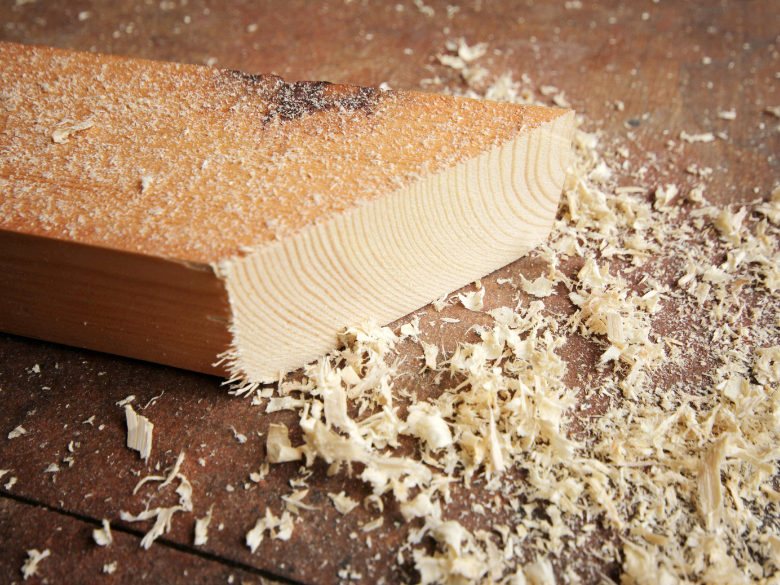
The dangers of wood dust: What you need to know
Let’s be honest, dust on-site is part of the job. Whether you’re cutting, sawing, sanding, or drilling, you’re going to create a mess. But while the big chunks of sawdust are easy to sweep up, it’s the tiny, invisible stuff floating in the air that poses the real risk.
What’s the damage?
Our bodies are pretty good at filtering out the larger particles, but those microscopic dust particles can bypass our natural defences and get deep into our lungs. Over time, this causes permanent damage and serious scarring.
Reduced lung capacity makes breathing harder, which can lead to chronic respiratory conditions such as asthma and, in severe cases, even lung cancer. It’s not just the wood itself either – the glues, resins, and chemical treatments packed into modern timber make it even worse.
Additionally, wood dust can irritate your eyes and cause unpleasant skin rashes, such as dermatitis.
Keeping the dust down
We’ve been around the block enough to know you can’t stop dust completely, but you can definitely manage it effectively. Here is how to pass the ‘tradie test’ and keep your lungs clear:
- Order smart: Buy pre-cut or processed timber where you can to skip the on-site cutting.
- Extract it: Use on-tool dust extraction or a vacuum system right at the source when cutting or sanding.
- Ditch the broom: Never dry-sweep. It just kicks the dust back into the air. Use a HEPA-filtered vacuum or dampen the area down with water first.
- Mix it up: Limit the time any one person spends doing the dustiest jobs.
- Gear up: Ensure everyone is wearing the correct mask (RPE) and safety gear for the task.
- Wash off: Wash your hands and face before eating, drinking, or smoking. Leave the dusty overalls at work so you don’t take the hazard home to the family.
Get your team up to speed
Make sure your crew understands the risk and controls. A toolbox talk is a simple way to cover this. Take five minutes this week to cover:
- The health risks of wood dust exposure.
- Safe work practices in dust environments.
- Correct use and maintenance of dust extraction gear.
- How to properly fit, wear, and care for respiratory protection. .
We’re all in this together. Keep it simple, keep it safe, and look out for your mates. If you’re ever unsure about how to tackle a hazard, just call the team on 1800 954 702 or fire through an email to info@hazardco.com.