Take the Hassle Out of Toolbox Meetings
Toolbox meetings don’t need to be a paperwork mission. With the HazardCo App, you can run quick, focused chats straight from your phone – No prep, no printing, no hassle.
The Toolbox Meeting feature guides you through what to cover, step by step, so you can hold the meeting anywhere on-site and tick off all the right boxes as you go. It’s all recorded in the app, and a full report lands in your Hub, ready to download or share with the team.
How often should we have a Toolbox meeting?
- Daily prestart meetings: Kick off each shift with a short chat on that day’s tasks and hazards. These short meetings help keep safety front-of-mind and ensure everyone is aligned before work begins
- Weekly toolbox meetings: Hold more in-depth sessions at least once a week to discuss recent incidents, site safety issues, changes to plans or regulations, new equipment or procedures, and upcoming high-risk work
- Ad hoc meetings: Jump in when new risks pop up: weather shifts, incidents, or handle issues that can’t wait.
Keeping toolbox meetings regular boosts safety in three big ways: they keep safety top of mind with frequent check-ins, help build a strong culture where everyone’s looking out for each other, and give you the chance to spot and fix hazards before they turn into incidents.
What to cover in a Toolbox meeting:
Stuck for ideas on what to talk about? Here’s some great starting points:
- Today’s tasks and risks
- Weather conditions
- PPE requirements
- Recent incidents or near misses
- Any changes on-site
- Questions from the team
Keep your toolbox meetings interactive by getting the crew involved, it makes a big difference. Ask for feedback at the end of each chat to see what’s working (and what’s not). Encourage the team to speak up about any issues they’ve spotted on-site. When everyone has a voice, safety becomes a team effort, not just another box to tick.
Cool tip to save you time: Use your phone’s voice-to-text tool to speak your notes out loud (just look for the little mic on your keyboard). You can even snap a quick photo to record who was there.
Working solo? You can still use the app toolbox feature to log safety convos with other tradies or subbies – Every chat counts.
And remember, the Toolbox Meeting feature isn’t just for toolboxes. Use it for pre-starts, safety meetings, or committee catch-ups too.
Keeping your site safe starts with good conversations – and with HazardCo in your hands, they’re easier than ever.
Working with heavy machinery and managing traffic on-site can be risky. But with the right checks and planning, we can keep everyone safe.
Daily machinery checks
Before starting work each day, make sure your equipment is ready to go:
Visual checks (before starting the machine):
- Check fluid and oil levels; look for leaks.
- Ensure tyres are free from damage and in good condition.
- Confirm safety mechanisms are in place and working.
- Make sure warning signs are visible and readable.
- Inspect attachments, clips, and pins for damage.
- Look over hydraulics for any issues.
Stationary function test (with the machine on):
- Test the horn and reversing alarm.
- Check that lights, pedals, and controls work properly.
- Move the bucket and arms to ensure they operate smoothly.
Moving function test:
- Test the steering.
- Ensure brakes are functioning correctly.
Using your manufacturer’s checklist or the HazardCo Heavy Machinery Prestart checklist can help you cover all these points.
Managing site traffic
Keeping vehicles and people safe on-site requires a solid traffic management plan. Here’s what to consider:
- Traffic direction: Plan routes for vehicles, cyclists, and pedestrians.
- Delivery areas: Set up clear zones and schedules for loading and unloading.
- Site layout: Define speed limits, traffic flow, and place barriers or fences where needed.
- Safe practices: Establish procedures for loading, unloading, turning, and reversing.
- Site restrictions: Be aware of noise levels and traffic volume.
- Unattended sites: Plan how excavations are managed when no one is around.
- Emergency procedures: Have clear steps in place for emergencies.
Discuss this plan during site inductions so everyone knows the rules and expectations.
Know your limits: Zone of influence
Heavy machinery can affect the stability of excavations if operated too close. Keep all heavy vehicles, materials, and spoil at least one meter outside the zone of influence unless specific designs support closer operations.
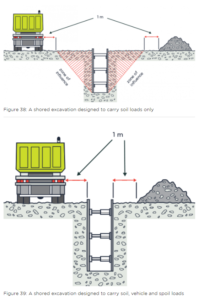
Preventing tip-overs
Uneven ground can cause machinery to tip over, leading to serious injuries. To prevent this:
- Planning: Supervisors and operators should assess the area before work begins.
- Risk assessment: Operators should evaluate risks before starting each job.
- Safe routes: Choose the safest paths for moving machinery.
- Digging practices: Never dig underneath an excavator.
- Distance: Work at a safe distance from excavation edges.
- Procedures: Have standard operating procedures in place.
- Design: Ensure work areas are designed to control hazards.
- Safety features: Equip cabs with roll-over and fall-over protection; operators should wear seat belts and keep doors closed.
- Exits: Ensure there are always two exits from the excavator.
If you would like more information head over to our website or to chat with one of our friendly Advisory team please give us a call on 0800 555 339.
Operating Machinery
Working with heavy machinery can be dangerous. Incorrect use or untrained operators can lead to serious injuries or worse.
Training and Supervision
Machinery should only be used by workers who are:
- Trained and competent with the equipment they’re operating
- Supervised, especially if they’re new or unfamiliar with the task
- Provided with clear instructions, risk assessments and task analysis
Regularly assess operator competency through refresher training, observations and feedback. Keep training records and verify workers have the appropriate licenses.
Pre-Start Check – A quick routine that makes a big difference
Before using any machinery, complete a daily prestart check. These checks must be done by a trained and competent person.
Visual checks (before turning the machine on):
- Fluid and oil levels are good, and there are no leaks
- Battery is clean, charged and secured
- All safety guards and features are in place and undamaged
- Warning signs are in place and easy to read
- All clips, pins, and attachments are secure and not worn or damaged
- Hydraulic hoses are in good condition and lubricated
Stationary test (machine is on but not moving):
- Horn, reversing alarm and lights are working
- Pedals, and control panel are working properly
- Bucket and arms fully extend, retract and tilt smoothly
Moving test (short drive):
- Steering is responsive
- Brakes function correctly
Use the manufacturer’s pre-start checklist, the HazardCo Heavy Machinery Prestart Checklist or the HazardCo App Plant/Machinery Pre-start tool to guide your checks. Making sure to keep a record of your completed checks.
Quick Hitches, Safety Locks, and Exclusion Zones – Take the time to get it right
Quick hitches help you swap attachments fast – but can be dangerous if not properly secured.
Before operation:
- Confirm the attachment is the right fit and in good condition.
- Visually check all locking pins and safety devices are installed correctly.
- Set and mark exclusion zones and communicate these to all workers on-site
All quick hitches must clearly show:
- Model and serial number
- Manufacturer’s name
- Weight and max rated capacity
- Safe lifting capacity for each lifting point
Store spare locking pins with the machine, and only use attachments that match the correct pin size.
Cover any machinery risks and controls in your task analysis and share it with everyone on-site.
Don’t cut corners on safety
Missing a step like skipping a daily check or rushing an attachment change can have serious consequences.
Taking five minutes to do it right can prevent serious injuries and keep your sire running safely.
If you have any questions, get in touch with the HazardCo Team today
Digging into the ground might seem straightforward, but excavation work is actually one of the most dangerous parts of construction. That’s why it’s important to plan ahead and put the right safety measures in place to keep everyone safe on site.
Start with a solid plan
Before you get started, take time to plan things out. Planning means identifying the hazards, assessing the risks, and deciding suitable controls – with input from the team. Make sure an emergency plan is in place in case something goes wrong. Every site is different, so take its unique features into account when planning.
Watch out for these common excavation risks:
- Securing the area
Keep excavations securely fenced off with sturdy barriers that won’t give way if someone leans or falls against them. If you’re not actively working in or near the trench, cover it up or backfill it as soon as possible.
- Falls from height
If there’s a chance someone could fall into the excavation, that’s considered working at height. Make sure you’ve got the right safety controls in place such as edge protection, guardrails or barriers. Click here to see guidance on how to reduce fall risks.
- Ground collapse
This is one of the biggest dangers. Don’t assume the ground will stay stable. Use shoring, shielding, benching, or battering appropriate to the soil type and excavation depth to prevent it from caving in. Make sure a competent person inspects the excavation daily and after any event that could affect stability e.g. heavy rain.
- Safe ways in and out
Make sure workers have safe access and egress at all times. Keep ladders, ramps, stairs in good condition and ensure the bottom of the excavation is clear to allow a quick and easy exit if needed.
- Underground and overhead services
Always check for underground and overhead services before you dig. Use tools like beforeudig to locate underground services. Hidden services if struck can cause serious injury or worse.
- Water in the trench
Never let workers operate in a trench that has water pooling in it unless you’ve got the right safety controls in place such as dewatering methods, and a competent person has checked the excavation stability
- Do you need to notify WorkSafe?
Some excavation work must be notified to WorkSafe NZ before you begin. If that’s the case, fill out the Particular Hazardous Work notification form at least 24 hours before work begins.
Keeping yourself and your team safe is what matters most. Make sure you’re clear on your responsibilities when it comes to managing excavation risks.
Need a hand? The HazardCo App has helpful resources for site reviews and risk controls. And if you’ve got questions or need support, just reach out to the HazardCo team – we’re here to help.
Dust is a common hazard in the construction industry, especially during demolition or refurbishment. When buildings are demolished they can release materials that create hazardous dust (airborne contaminants) which can be hazardous to workers’ health. Understanding the risks will help you to identify how best to manage the risks.
Why is dust dangerous?
Exposure to hazardous dust can lead to serious health conditions, including:
- Silicosis – A lung disease caused by inhaling fine silica dust, common in concrete, brick, and stone materials.
- Lung Cancer – Prolonged exposure to certain airborne contaminants increases the risk.
- Asthma & COPD (Chronic Obstructive Pulmonary Disease) – Inhaling dust particles can trigger or worsen respiratory conditions.
- Skin & Eye Irritations – Dust exposure can cause infections and long-term discomfort.
Health and exposure monitoring
As a business, you have a duty to monitor your workers’ health when they’re exposed to dust and other hazardous materials. Regular health monitoring helps identify early signs of illness and ensures that the dust control measures in place are working effectively.
Health monitoring process should include:
- collection of workers’ demographic, medical and occupational histories
- records of workers’ exposure
- respiratory questionnaire and function tests
- in some cases, chest x-ray or other radiological procedure
It is important that you get your worker’s consent to monitor their health and engage them in this process.
Health monitoring should be carried out by a trained and competent person. For more information or if you’d like to organise health monitoring for your business contact our partner Habit Health.
How to Control dust exposure on-site
Controls to minimise the exposure to dust in the workplace could include:
- on-tool dust extraction systems – attach vacuum extraction directly to power tools
- water suppression – dampen materials to prevent dust from becoming airborne
- personal protective equipment (PPE) – ensure workers wear correctly fitted masks and protective gear
Making sure your workers have the right tools and information to complete the job safely includes training and understanding the risks involved, what to do if anything should go wrong, as well as the correct use, storage, and maintenance of PPE.
Other controls to consider are:
- limiting worker exposure – keep unnecessary personnel away from dusty areas
- task rotation – reduce the time any one worker spends in high-dust zones
- Dust containment – using sheeting or temporary screens to enclose the work to stop dust from escaping
Complete a Task Analysis for your demolition work through the HazardCo APP. This helps assess the risks and plan safe work processes. Involve your team so everyone can contribute and understand the plan.
Our team of health and safety experts are just a call away if you have any questions or would like to discuss further.
When you have an incident on-site, whether it’s a near miss, an injury, or a work-related illness, it’s important to document an incident report.
Incident reports don’t need to be time-consuming, lengthy or use fancy health and safety terms, you just need to describe what happened in your own words so you have a record of the incident. You can use the incident report to help explain what happened to others, such as your direct team on-site, contractors, other Employers, or the Main Contractor.
What is an incident report?
An incident report is the process of recording incidents on-site, such as near misses, injuries, illnesses and plant/property damage. It involves documenting all the facts (known so far) related to the incident.
Check out this blog on Managing and reporting incidents at work to learn more about what is considered an incident and why it’s both important and helpful to report incidents.
How to complete an incident report:
Hit body on object example incident report
Hitting your body on an object is a very common example of an incident. For this incident report example, we will assume someone on-site has hit their body on a door frame and injured their shoulder.
Site Location
32 Dropsaw Lane, Wellington 6011
Date of Incident
2nd November 2024
People involved
Joe Hazard (injured)
Sam Small (witness)
Larry Large (witness)
Type of Incident
Damage ( equipment or property was damaged)
Security/Theft (site accessed unexpectedly or something was stolen)
Environment (Pollution or hazardous substance spill)
Near Miss (Something occurred but there was no harm caused)
✅ Injury (Someone was physically hurt)
Illness (Work-related illness)
Other (Something else happened)
Other (Something else happened)
Cause of Incident
This is where you select from the the list of causes what the main reason it happened was – In this case, it’s person vs object
Treatment received
First aid (performed on worksite)
✅ Medical Centre (Minor injury or illness)
Hospital (Major injury or illness)
Unsure (I’m not sure what treatment was given)
None (No treatment was required)
Type of injury
Select the category that best suits or select “other” to select your own, if you don’t know what type of injury happened you can also select “unknown”
Additional Information
Describe what happened – List the facts that are known so far about the incident such as :
*what job or activity was being performed at the time.
*What plant, equipment or tools were being used
*What went wrong
*What was the injury or damage (or the potential)
*What happened immediately after the incident
Joe Hazard was carrying plywood through a doorway on-site when he hit his shoulder on the door frame. Joe felt immediate pain in his left shoulder and struggled to lift his arm above shoulder height. Joe informed Sam Small (Supervisor) immediately and agreed to go to the local medical centre for further assessment
Pictures speak a thousand words so don’t forget that you can upload scene photos or relevant information in picture form at this step in the app, and if there’s something that you don’t want forgotten you can also create a task.
This is an example of a simple incident report, find out more about what good incident reporting looks like.
If you’re a HazardCo member, hit the Report an Incident button in the HazardCo App and follow the guided prompts to record the incident. Your membership includes 24/7 incident support, so if you need some extra help filling in the report, would like advice on if the incident is notifiable to the Regulator, or would just like to chat with an expert about how to communicate the incident to your team, we are here to help!
Remember, when you have an incident on-site, writing an incident report is just one action you need to take. Learn more about what to do when you have an incident on site.
Every year we see serious injuries and incidents involving vehicles near the top of the data that WorkSafe releases. Needless to say, anything with wheels and an engine should be at the forefront of your mind on-site.
From delivery trucks to excavators, if it moves, and it’s got some weight… then that means power! it’s going to cause some damage if it isn’t controlled. So always keep safety in mind!
Keep pedestrians and vehicles apart
Separate the two wherever you can with careful planning at the design and set up stages.
Minimise vehicle movements
Provide car and van parking away from the work area if possible. Also control entry points, and plan storage areas, so that vehicles don’t need to cross the site where people are.
Turning and reversing vehicles
A spotter wearing high-vis clothing should guide the driver who can’t see clearly behind their vehicle. Mirrors, reversing, warning alarms, sensors and cameras can also make all the difference.
People on-site
When untrained workers drive vehicles without authority, you’re in trouble. Always manage the training and access of drivers to your vehicles, including those visiting.
Visibility
The more the better, just make sure it stands out in the right way. From on-site lighting to aids for drivers (mirrors, CCTV cameras and reversing alarms) to hi-vis clothing for those on the ground. Find out more about the use of hi-vis clothing on-site in our blog here.
Accidents are preventable when risk is managed. How do you manage risk? You get a plan – a good one.
Traffic management plans
A traffic management plan documents and helps explain how risks will be managed. This might include details of:
- Designated travel paths for vehicles including entry and exit points
- Seperated pedestrian and traffic routes
- Designated delivery and loading/unloading areas
- Travel paths on routes remote from the workplace, including places to turn around, dump material, access ramps and side roads
- The responsibilities of people expected to interact with traffic onsite
Every site is different, but your plan should be monitored and reviewed regularly. It should also be adapted when there are changes to your work situation.
If you have any questions get in touch with the HazardCo team today
Emergencies and natural disasters can happen any time. Although you can’t predict when they will happen, you can take actions to make your business more prepared.
Do you and your workers know what to do if a disaster strikes?
An emergency plan is a health and safety requirement necessary for keeping everyone safe, and not having one is a big risk for your business and your workers.
Your emergency plan should include the following:
- Emergency procedures for fire, earthquake, tsunami, and other hazards.
- Designated assembly points, wardens, and first aiders.
- Contact information for staff, suppliers, and clients.
- Alternative arrangements if you are unable to access your premises
What to consider when making an emergency plan:
When working out your emergency plan, you must take into account:
- The size and location of your workplace
- The number of workers
- The nature of the work being carried out and the workplace hazards
- The types of emergency situations your workplace may face
Maintaining and testing emergency plans:
A well-maintained emergency plan should be reviewed and updated when:
- There are changes to work activities or the physical workplace
- Workers with emergency responsibilities change
- New risks are identified.
Testing your emergency plan is important to ensure it works:
- Testing can be as simple as thinking of a scenario (eg a fire) and staging a mock emergency, such as a fire drill to test how well the plan works.
- Following any testing, a review should be conducted to identify areas for improvement or updating. This should include seeking and considering feedback from your workers
Worker Engagement
Involve workers in emergency planning and decisions. All workers should know who is responsible for activating and coordinating emergency procedures and what they must do to keep themselves and others safe in an emergency.
First Aid Kits and Fire Extinguishers
Having first aid kits and fire extinguishers readily available ensures that workers can quickly address emergencies, potentially saving lives and preventing extensive property damage.
Sort your safety with an Emergency Box for your work vehicle or fixed to your wall at your site! Our Emergency Boxes are designed to provide the essentials for an emergency situation in all types of workplaces.
Not only will they help to keep health and safety front and centre but having a first aid kit, fire extinguisher, air horn, and emergency plan right at your fingertips will keep you covered in case of any unexpected incidents.
To order, call us on 0800 555 339 or email info@hazardco.com.
Keeping you and your workmates safe at work is a top priority, so it’s important to understand what your business needs for an effective emergency plan. Make sure you’re aware of these requirements to help keep everyone safe!
If you would like more information, get in touch with our friendly HazardCo team – we’re always happy to help!
Electricity is essential on construction sites, but if the risks are not managed properly, it can pose serious dangers to people and property. Proper controls must be in place wherever electricity is used to keep everyone safe.
Because we use electricity differently across a site there are different ways to help manage the risks.
Residual current devices (RCDs)
All hand-held appliances, lights, and electrical equipment used on-site must have protection in place against electric shock This can be done simply by connecting all electrical equipment through an RCD.
An RCD continuously monitors the electric current flowing along a circuit and disconnects the electricity supply if a fault is detected, reducing the risk of electric shock.
There are three types of RCD:
Fixed at the switchboard
A switchboard RCD is the most effective option. It protects all the wiring and appliances on that circuit. This must be installed by a licensed electrician.
Built into the powerpoint
A socket-outlet RCD is built into a standard powerpoint and protects equipment plugged into it. A licensed electrician is required for installation.
Portable
A portable RCD can be moved between powerpoints as needed. There are a few different types of portable RCD:
- Some plug directly into a powerpoint with an appliance or extension lead connected
- Others are built into extension leads or appliance leads.
- Some are part of Portable socket-outlet assemblies (PSOAs).
No electrician is needed – you can buy a portable RCD at a hardware shop or electrical equipment supplier, just make sure they are fit for commercial use. Both portable and non-portable RCDs should be tested daily.
Testing
Keep you and your team safe while working around electricity by checking your RCD (using the test button) daily before use. Get RCDs tested by a trained and competent person regularly, at least every three months.
Leads & Cords
Leads and cords are easily damaged, particularly those connected to equipment that is often moved. To protect them:
- Use cable protectors, covers, non-conductive hooks, and ramps.
- Protect leads from sharp objects, footwear, doors, vehicles, liquids, grease, and heat.
- Arrange leads to prevent tripping hazards. Avoid running leads across aisles or passages.
- Elevate leads to keep them off the ground and ensure they are accessible without needing a ladder.
- Use insulated supports to relieve strain on plugs.
- Inspect leads for damage before use and have them tested and tagged regularly by a qualified person.
Check out our one-pager on Electrical Safety. You can print and display this at work, helping everyone manage electrical shock risks on-site.
During regular Site Reviews using the HazardCo App, check that RCDs and all electrical equipment are in good condition and have been tested and tagged. Electrical equipment should be tested and tagged every 3 months for construction, every 6 months for manufacturing, and every 12 months for low-use spaces such as offices.
For any questions or support, contact HazardCo and speak to one of our Health and Safety Advisors on 0800 555 339.
Health and safety is a core part of any business but incidents and injuries on the job can still happen. According to WorkSafe New Zealand’s 2022 – 2023 data, the construction industry had 6,240 injuries which resulted in more than a week off work. In that same year, there were 11 deaths. Construction and trades make up a significant portion of incidents and injuries at work and when you think about not only the cost of life but the time off, loss of productivity and money spent on rehabilitation it adds up to a pretty staggered sum.
From 2022 – 2023 there were 586 Notifiable incidents and 604 Notifiable injuries or work-related illnesses. With numbers like this, we need to help you find a way to improve the health and safety culture so you can make sure it’s safe and profitable as well.
The signs of poor health and safety
If you’re concerned that your health and safety policies and procedures aren’t being followed or maybe not quite up to scratch, there are a number of things you can keep your eyes peeled for:
- Poor incident reporting
- Blame culture
- Poor communication
So, how do you get your crew on board?
When it comes down to it, creating a culture of site safety isn’t as easy as putting new procedures in place and calling it a job well done – it’s up to you to involve and motivate your crew to be proactive and take safety into their own hands.
Some steps you can take include:
Communication
It seems like an obvious one but poor communication can really affect your efforts to create a safety culture. Having regular open communication with your crew about why you’re talking about all things safety is the best way to help them understand the importance.
The more transparent and clear you are, the more likely they will be to action any new initiatives. Make sure that your crew has easy access to your current health and safety guidelines so they can stay in the know about any changes.
Support your staff
If you are taking steps to improve your site safety culture, make sure you factor in both physical and mental health awareness in all that you do for your staff. By providing resources and establishing an environment where your crew feels respected and safe to open up and express themselves you’ll be able to create a support system where you can look after each other’s wellbeing and mental health.
Training
Ensuring that your crew are trained up on all the correct licenses, procedures and health and safety practices is a surefire way to make sure that they are fully knowledgeable on procedures. With the right training in place, you can have confidence that they know how to safely perform their jobs.
Be a leader
If your crew see you leading by example and taking health and safety seriously, they are more likely to as well. So lead from the front and be the one to start those open conversations about what’s going on on-site.
Reporting
You need to set the tone with your crew that reporting incidents isn’t something they need to feel anxious or uncomfortable about doing. Make it clear that reporting is a way of finding out what caused the accident or injury and what can be done to make sure it won’t happen again. By making proper reporting a core element of your crew’s job responsibilities it can become second nature to them.
Make it a team effort
Site safety impacts everyone, so it makes sense that your crew should have a hand in shaping their site’s culture. The more input they have, the more likely they are to follow precautions.
By having regular health and safety chats with your crew, you can give them the opportunity to voice their own safety concerns and opinions. By having open conversations and allowing input from your crew you’re giving them the ability to implement safety measures that affect their own jobs, ultimately making them more likely to follow processes and encourage others to do the same.
If you have any questions reach out to the HazardCo Team today
Looking for something in particular?

Whether it’s a tractor in the field, a conveyor belt in the packing shed, or a digger on-site, your equipment does the heavy lifting. While these tools make work easier, their power and speed ...
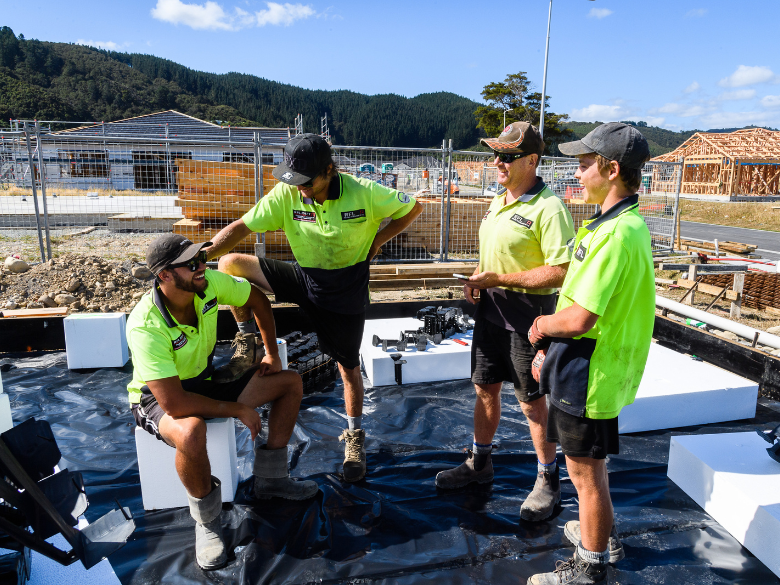
Running a building business is hard at the best of times. Right now, with fuel prices putting pressure on the industry, a lot of business owners are carrying a weight that goes well beyond the...
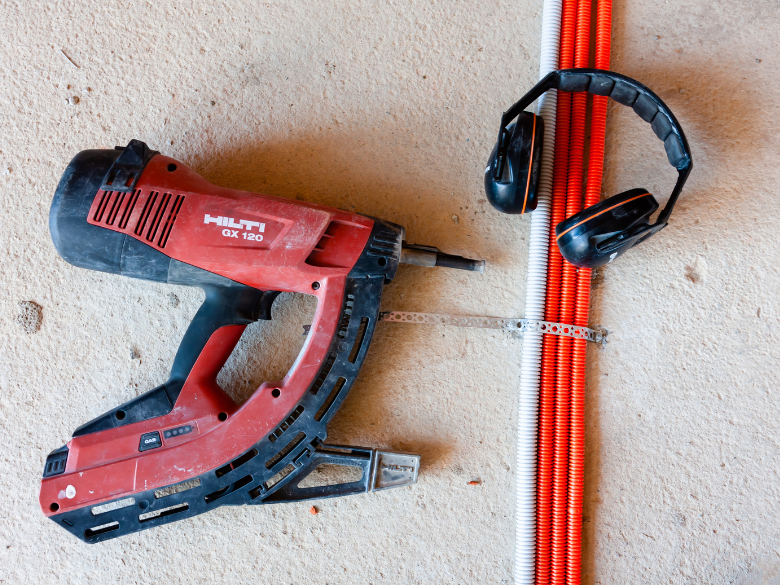
Nail guns are common tools on residential builds. Like any power tool, they can cause serious injuries if not used properly.
Most injuries happen when the gun goes off while being moved or ...
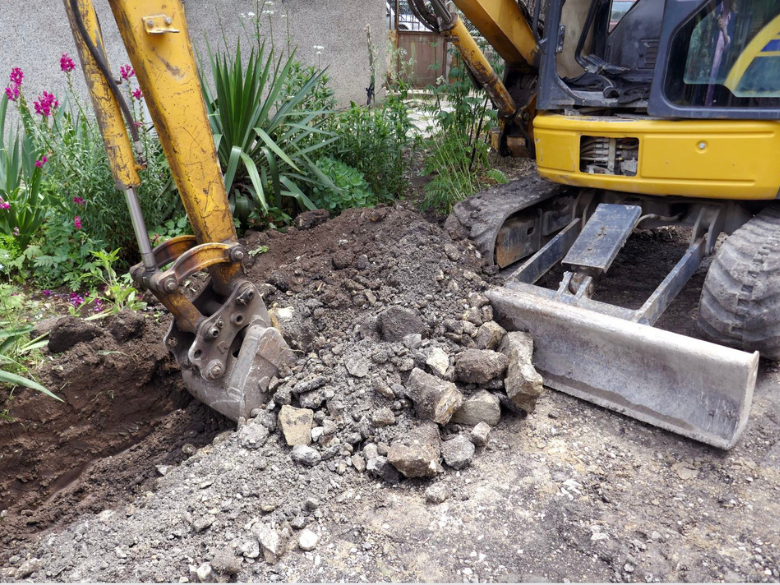
Excavation work means moving or removing soil, rock, or other materials with tools or machinery. You’ll come across it on most construction sites whether you’re building a new home, putting in...

Summer’s here. Are you ready for the heat?
Longer days and sunshine make it feel like the perfect time to crack into work. But while summer brings good vibes, it also brings its own set of ri...

Kick off the New Year safely on site
The holidays are done and dusted, and it’s time to ease back into work. Reopening your site is just as important as shutting it down properly and the New ...

The Christmas break is nearly here. You're probably counting down the days until you can relax and spend some proper time with the family and friends.
But before you lock up for the holiday...

The hidden danger on-site: Silica dust
Construction sites come with plenty of obvious hazards but some of the most dangerous ones are the ones you can’t see. One of those hidden risks is res...

Slips, trips, and falls, don’t let them take you down!
Slips and trips might seem harmless, but on-site, they’re one of the biggest causes of injuries. A bit of ground clutter, a wet floor,...

Got lone workers on your team? Here’s what you need to know
If someone on your team is working by themselves without other people around and without direct supervision, they’re likely conside...
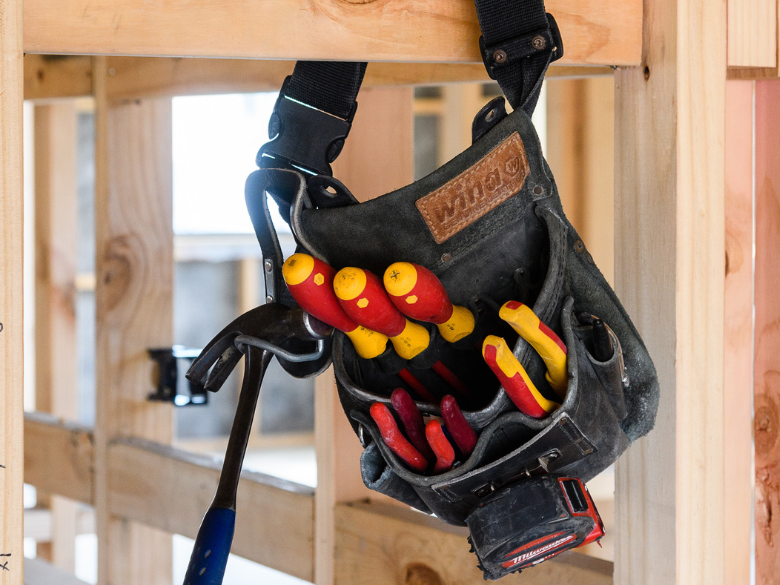
Take the Hassle Out of Toolbox Meetings
Toolbox meetings don’t need to be a paperwork mission. With the HazardCo App, you can run quick, focused chats straight from your phone – No prep, no p...
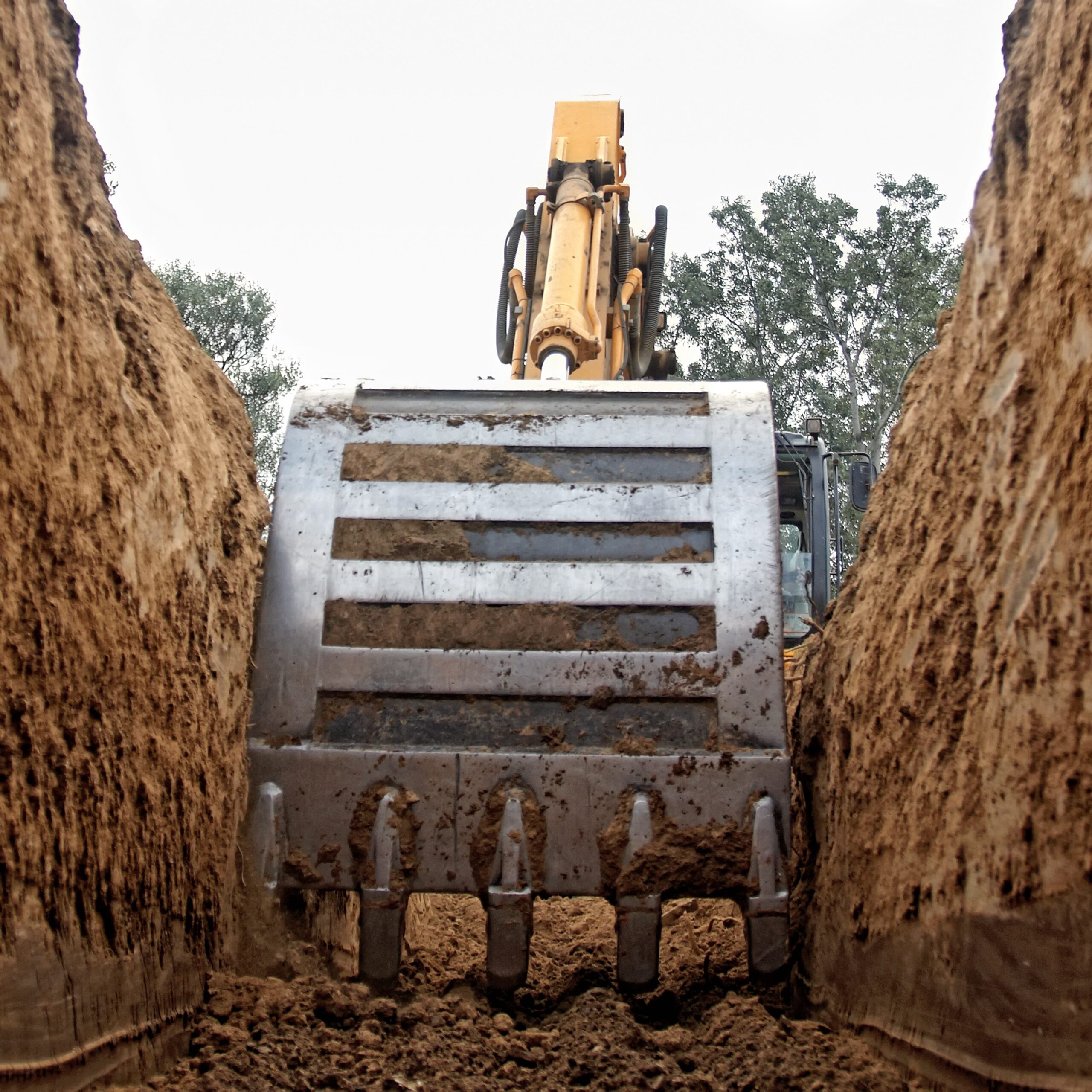
Working with heavy machinery and managing traffic on-site can be risky. But with the right checks and planning, we can keep everyone safe.
Daily machinery checks
Before starting work each da...