Summer’s here. Are you ready for the heat?
Longer days and sunshine make it feel like the perfect time to crack into work. But while summer brings good vibes, it also brings its own set of risks. No matter the season, hazards don’t take a break and the hot weather can put extra pressure on your team.
So, what steps are you taking to keep everyone safe from the heat and sun exposure ?
Sun safety is just the start
We all know the basics: Slip, Slop, Slap, and Wrap to protect against sunburn and skin damage. But heat can be just as dangerous. Heat exhaustion, dehydration, and fatigue can creep up quickly if you’re not prepared.
Know the signs
Heat exhaustion
Heat exhaustion happens when the body overheats from losing too much water and salt through sweat. If you don’t act fast, it can turn into heat stroke.
Heat stroke
Heat stroke occurs when the body can no longer cool itself down, pushing body temperature to 39.4°C or higher. This is serious and needs urgent medical attention.
Heat rash and heat cramps are early warning signs, spotting them early can prevent things from getting worse.
Check out this helpful resource for symptoms and treatment options for heat-related illnesses.
And if you’ve got underlying health conditions that might be affected by extreme heat, make sure your workplace knows.
Manage the risks
Plan ahead
The sun is strongest between 10am and 4pm. Take regular breaks during this time, and wherever possible, schedule tasks in shaded or covered areas.
Stay hydrated
Drink plenty of water, even if you’re not feeling thirsty. Sweating means you’re losing fluids fast.
Cover up
Slip on a shirt, Slop on sunscreen, Slap on a hat, and Wrap on sunglasses. Even on cloudy days, UV rays are still able to burn your skin. Here’s another great resource on protecting yourself outdoors.
Take it easy
Don’t push too hard. Rotate tasks and avoid heavy physical work during peak heat hours.
Listen to your body
Just because the weather is good doesn’t mean you should work longer. Heat and fatigue affect how well you think and move and that’s when incidents happen.
Keep the conversation going
Talking about heat and UV risks at your Toolbox meetings is a simple and effective way to keep your team aware of this often-overlooked hazard. And remember, you can record all your Toolbox meetings easily in the HazardCo App.
If you’ve got questions or want to chat about the risks on your site, our Advisory Team is here to help.
Give us a call on 1800 954 702
Kick off the New Year safely on site
The holidays are done and dusted, and it’s time to ease back into work. Reopening your site safely is just as important as shutting it down properly and the New Year is the perfect chance to reset, refocus, and set the tone for the months ahead.
After a couple of weeks off, it’s normal for the team to have a bit of Mondayitis. So on day one, take it slow and run through a few key steps to get everyone back on track safely.
Start with a kick-off Toolbox Meeting
Before anyone gets stuck in, hold a Toolbox meeting.
Review SSSP (Site-Specific Safety Plan), walk through emergency procedures, and ensure everyone is fit for work and mentally ready after the break.
Do a Site Review for new hazards
A lot can change while you’re off-site.
Walk the site and note any new hazards or risks, check fences and gates, and make sure everything is still secure.
Inspect structures, scaffolding, and excavations
Weather and time can take a toll. Check scaffolds, excavations, temporary structures, and anything else that could have shifted or been damaged while you were away.
Check tools, equipment, and mobile plant
Before the team starts using anything, run inspections and pre-starts. Make sure tools, gear, and mobile plant are in good working condition.
Ease back into it, safety first
Think about a soft start. Give everyone time to check their work areas, ease into the pace, and remember that safety is the priority.
Also keep in mind: after a couple of weeks relaxing in air-con, people may not be ready for full heat exposure straight away.
Heat Safety: Keep Your Team Cool and Safe
Hot weather brings extra risks, so put simple steps in place to keep your team safe and comfortable.
Provide shade and shelter: Set up shade tents or covered areas outdoors. For indoor work, open windows or use fans to keep air moving.
Keep everyone hydrated and protected: Make sure workers always have access to drinking water, and encourage sunscreen, lightweight clothing, sunglasses, and sun-protective hats.
Watch for signs of heat-related illness: Everyone reacts differently to heat. Keep an eye out for symptoms like:
- Dizziness or weakness
- Nausea or vomiting
- Pale, cool, clammy skin
- Rapid breathing
- Heat cramps
- Dehydration
- Confusion, disorientation, or slurred speech
- Heavy sweating
- Loss of consciousness
If someone shows symptoms, provide first aid and seek medical help if needed.
Know when to stop work
If temperatures get extreme, it might be safer to pause work until conditions improve.
Where possible, shift heavy physical tasks to machinery to reduce heat exposure.
Look out for each other
Safety is a team effort. Remind everyone to check in on their mates and report any heat stress symptoms early. Quick action can stop things from getting worse.
Be prepared this summer
Keep your team’s health, safety, and well-being front of mind as you head into the New Year.
Here are some handy resources to help:
If you need support or have questions, our Advisory Team is here to help on 1800 954 702 .
When you’re able to get back on site after a flood or storm, here are the hazards, risks and control measures you should consider to help reduce the risk of injury and illness to yourself, your workers and others involved in the clean up and repair effort.
Some common hazards following a storm or flood:
- Electrical – Water damage, loss of power, damaged electrical installations
- Biological hazards and fauna – Contaminated floodwater and displaced fauna
- Asbestos – Damaged building materials that contain asbestos
- Slips, trips and falls – Uneven surfaces from storm/ floods
- Hazardous chemicals – Buried, moved or damaged hazardous chemical containers including corrosives, oils, pesticides
- Psychological stress – Remember to check on your team, the emotional impacts of a storm or flood can be overwhelming, particularly if they are dealing with personal damage
Risk Management
- Identify the hazards – What are the hazards on your site including any newly introduced hazards due to the storm or flood?
- Assess the level of risk – What is the likelihood of exposure to the hazard, and the consequences (what harm could be done)?
- Control the risk – Identify and implement suitable control measures and ensure the risk has been reduced to an acceptable level prior to undertaking related work.
- Review the control measures – Regularly assess how effective the controls are. It’s important to stop work and reassess if conditions change or if you have introduced any new hazards.
Safety tips when undertaking the cleanup and repair work
- Work out the order of the work to be done so that new risks are not introduced, e.g. if you move things in the wrong order is there a possibility of creating instability.
- Ensure surfaces are stable and access to areas with unstable floors are safe.
- Have a licensed electrical contractor check any electrical appliances or equipment you suspect has been submerged or damaged.
- Check in and under objects before attempting to move them as snakes, spiders and other undomesticated animals may be taking refuge from flood waters.
- Consider workers performing cleanup in teams/ pairs where possible.
- Wash your hands well before eating and drinking, after contact with mud, flood water and contaminated items and equipment.
- Make sure that workers have the correct personal protective equipment to prevent injuries such as cuts and scratches or infections from contaminated flood water.
- Check that your workers and contractors are not fatigued or potentially unfit to work, i.e due to mental health stressors.
- Agree on what situations workers should remove themselves from, where the risk cannot be reduced to an acceptable level. Some work may have to be delayed until water subsides and other factors.
- Ensure emergency procedures are discussed for the site with all workers.
Looking for something in particular?
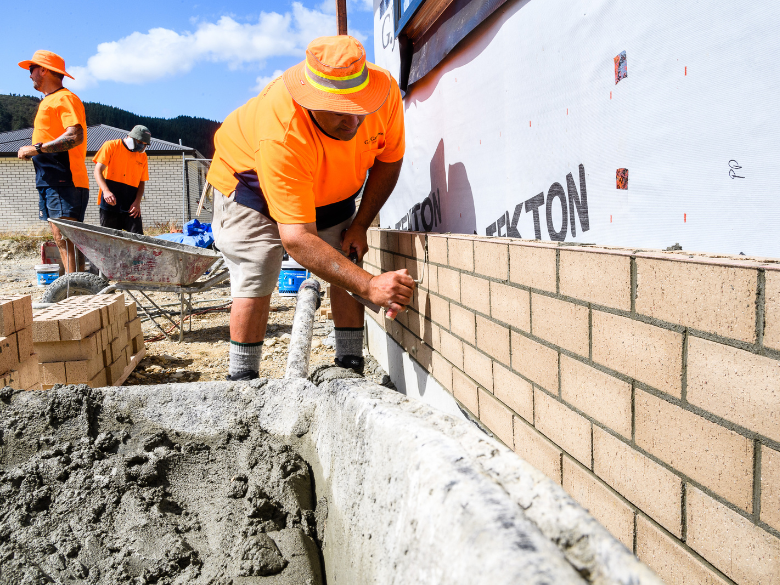
Summer’s here. Are you ready for the heat?
Longer days and sunshine make it feel like the perfect time to crack into work. But while summer brings good vibes, it also brings its own set of ri...

Kick off the New Year safely on site
The holidays are done and dusted, and it’s time to ease back into work. Reopening your site safely is just as important as shutting it down properly and t...

When you're able to get back on site after a flood or storm, here are the hazards, risks and control measures you should consider to help reduce the risk of injury and illness to yourself, you...