



Working on a HazardCo site? One tool, all corners covered – in your back pocket!


Preventing nail gun injuries
Jul 17, 2023
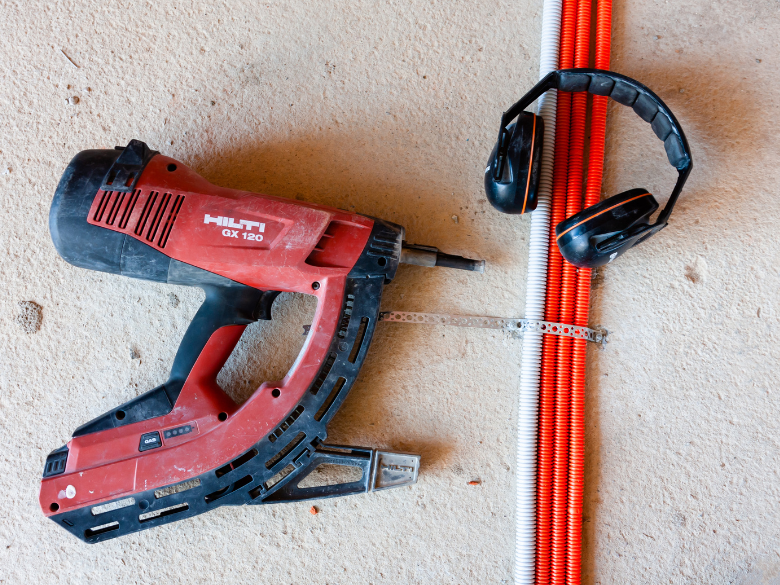
Nail guns are common on residential builds. Like any power tool, they can cause serious injuries if not used properly.
Most injuries happen when the gun discharges while being moved or repositioned, when nails hit knots or other nails and ricochet, or when someone is standing in the line of fire. The risk also increases a lot when the gun is set to bump fire mode.
Choosing the right type of trigger makes a big difference. A full sequential trigger (single shot) is the safest option. It lowers the risk of accidental discharge and double-firing. Contact trigger (bump fire or multi-shot) has a much higher injury risk. Most nail gun injuries happen when the bump fire is used.
Sometimes, bump fire is needed for high-volume, repetitive work to reduce strain injuries. Only experienced, skilled workers should use it, and extra controls should be put in place to manage the added risk.
Practical tips to reduce risk
Here are simple steps you can take on-site:
- Use full sequential trigger nail guns wherever possible
- When working at height, use a stable platform. Nail guns are designed for two hands and recoil when fired
- Do not hold or fire a nail gun above shoulder height. Use a stable work platform or reposition the material so the tool can be operated with two hands and full control.
- Keep other workers clear of the work area and out of the line of fire
- Check timber for cracks, splits, knots, metal connectors, or existing nails before firing
- Keep your free hand well clear of the nail path. Never hold timber in line with where you are firing
- Carry out pre-start checks. Make sure the actuation mechanism works properly, and the gun is in good condition
- Never modify, bypass, or disable safety mechanisms
- Remove your finger from the trigger when moving or repositioning the tool
- Keep nail guns maintained and have faults repaired by a competent person. Don’t keep using a faulty gun
- Provide the right PPE, such as eye protection, hearing protection, and any other PPE recommended by manufacturers
Training and supervision
Make sure your team knows how to use nail guns safely:
- Provide proper training and instructions on safe nail gun use
- Develop and follow Standard Operating Procedures
- Follow the manufacturer’s manual, including procedures for clearing jams and managing malfunctions
- Only trained and competent carpenters should use nail guns
- Apprentices must be supervised
Do your pre-checks. If it’s double-firing, sticking, or not working properly, tag it out and get it fixed. Don’t push on with a dodgy gun.
Nail guns are fast and efficient, but they’re not forgiving. Use the safest trigger, keep people clear, look after your gear, and don’t let untrained workers loose with one. That’s what prevents serious injuries.
If you have any questions, please reach out to the HazardCo Team