Slips, trips, and falls – don’t let them take you down. Evaluating safety in your workplace is key.
Slips and trips might seem harmless, but on-site they’re one of the biggest causes of injuries. A bit of ground clutter, a wet floor, or poor lighting is all it takes to put someone out of action.
Here’s the breakdown:
- Slip – wet or icy surfaces are usually to blame
- Trip – often from tools, cords, or gear left lying around
- Fall – when someone suddenly loses balance
What’s your role?
Businesses must make sure slip and trip hazards are spotted early and dealt with properly. That means checking the site, managing risks, and keeping controls up to scratch.
How to tackle the risks
- Eliminate – plan the site layout to avoid sudden changes in floor levels
- Substitute – install slip-resistant surfaces where you can
- Isolate – block off high-risk areas and use clear signage
- Engineer – treat floors, improve lighting, and sort drainage
- Admin controls – training, cleaning checklists, and good supervision
- PPE – slip-resistant footwear to protect the team
Practical ways to reduce the risk
Reducing slips, trips, and falls starts with simple, practical steps that everyone on-site can take.
- Good housekeeping – Keep walkways clear, remove waste quickly, and store gear in the right place.
- Floor checks – Fix uneven ground, repair holes, and mop up spills immediately.
- Lighting – Brighten up darker areas like stairways and access points.
- Weather watch – Use grit, mats, or drainage to deal with rain, ice, or mud.
- Signs and barriers – Put up clear signs when cleaning, or block access to unsafe areas.
- Footwear – Make sure workers have slip-resistant boots suited to the conditions.
- Training – Teach your crew to spot hazards, tidy as they go, and report issues straight away.
- Regular reviews – Walk the site daily and use checklists so nothing gets missed.
Good housekeeping makes all the difference. The HazardCo App has handy checklists to keep your site tidy and safe.
Don’t wait for a near miss to remind you. Start managing slips and trips today and if you need a hand, the HazardCo team is only a call away.
When you’re running a construction site, there’s already enough on your plate, the last thing you need is to be drowning in paperwork or missing a key safety step. That’s why we’ve pulled together a straightforward checklist to keep your team safe, your site compliant, and your projects moving smoothly.
Here’s a brief overview:
Before You Kick Off the Project
Think of this as your pre-game warmup. Get these things sorted before the first nail goes in:
- Create a Site Safety Plan (SSSP) – Who does what, how you’ll handle risks, safety rules, and what to do if something goes wrong.
- Put up a Principal Contractor sign – Make it clear who’s in charge, with contact details in case of emergencies
- Fence the site – Keep it secure so no one wanders in by accident.
- Amenities – Provide the basics, toilets, handwashing, and drinking water.
- Check the electrics – Make sure your switchboard meets AS/NZS 3012 standards.
- Paperwork check – Insurance certificates, white cards, high-risk licences, maintenance records are all in order.
- Asbestos clearance (if needed) – Non-negotiable if there’s been demolition.
During the Build
Safety isn’t “set and forget” it’s about checking in regularly:
- Site inductions – Make sure every contractor knows the hazards and is logged on record.
- Safe Work Method Statements (SWMS) – Required for high-risk construction work. If something changes, update before work continues.
- Regular site reviews – Keep an eye on hazards like scaffolds, ladders, hot works, or electrical gear.
- Toolbox talks – Share updates on incidents, risks, and fixes. Short chats, big impact.
- Incident reporting – Near misses, injuries, or illnesses? Get them in the register and investigate. Some might need to notify the regulator.
Why This Matters
At the end of the day, good safety practices don’t just tick a compliance box, they keep your crew safe, reduce downtime, and save you headaches when auditors or regulators come knocking.
The best part? With HazardCo, you can ditch the endless paperwork and manage everything in one easy system.
Ready to Make Safety Simple?
Health and safety doesn’t need to be complicated. With the right systems in place, you can focus on building, while knowing your site is covered.
Download your free Builder checklist, or Trade checklist.
Get in touch with us
Want an easier way to stay on top of it all? Get in touch with us or start a free trial.
Every year in September, people around the world mark Global Deaf Awareness Week (22–28 September 2025). It’s a chance to recognise the importance of communication, accessibility, and inclusion for the Deaf community. For those of us working in construction, it’s also the perfect reminder of how precious our hearing is, and how easily it can be damaged by the noise we’re exposed to every day.
Noise: The silent risk on-site
Power tools, heavy machinery, vehicles, and hammering – the soundtrack of a busy site is loud. And while it might just feel like “part of the job,” that constant exposure can take a serious toll on your hearing over time.
Noise-induced hearing loss (NIHL) happens when loud sounds damage the sensitive structures in your inner ear. Depending on the type and extent of damage, NIHL can be temporary or permanent. The good news? Unlike many other forms of hearing loss, NIHL is entirely preventable.
It’s also very common. According to Safe Work Australia about 28–32% of Australian workers are exposed to loud noise at work. People who work in noisy industries, like construction, agriculture, carpentry, mining, oil and gas, and the military, are especially at risk.
How loud is too loud?
You might be surprised at just how quickly noise becomes dangerous. Here are some benchmarks:
- 85 decibels (dB): About as loud as heavy traffic. Safe for around 8 hours.
- 100 dB: A chainsaw or jackhammer. Damage can occur after just 15 minutes.
- 110 dB+: A nail gun or rock concert. Even a few minutes without protection can cause permanent damage.
On a construction site, these levels are reached every day, sometimes without us even realising.
Symptoms of Noise-Induced Hearing Loss
Hearing loss doesn’t usually happen all at once. Symptoms can creep up slowly, which is why many people don’t notice until it’s too late. Some of the most common signs of NIHL include:
- A feeling of fullness or pressure in your ear.
- Inability to hear high-pitched sounds, like birds singing.
- Muffled or distorted speech, making conversations harder to follow.
- Tinnitus – ringing, buzzing, or roaring in the ears.
There are two main types of NIHL:
- Acoustic trauma: Instant hearing loss from one very loud, forceful and sudden sound (like a gunshot or firecracker). This damage is often permanent.
- Chronic NIHL: Gradual hearing loss from repeated exposure to loud sounds over time (like noisy worksites or even loud headphones). It can take weeks, months, or years before you notice the problem.
Beyond the job: The personal impact of hearing loss
Hearing loss doesn’t just affect you at work. It changes your whole life.
- Conversations become harder. Background noise makes it tough to follow what’s being said.
- Social situations can feel isolating. It’s easier to avoid gatherings than struggle to keep up.
- Confidence takes a hit. Many people with hearing loss feel self-conscious about asking others to repeat themselves.
- Relationships are impacted. Miscommunication and frustration can creep in with family and friends.
And the effects don’t stop there. Untreated NIHL has been linked to:
- Anxiety and depression.
- Fatigue and insomnia from straining to hear.
- High blood pressure, increased heart rate, and stress.
- Irritability and hyperacusis (heightened sensitivity to sound).
In short, it doesn’t just change what you can hear, it changes how you live, connect, and feel day to day.
Protecting your ears on-site
The good news is, hearing loss from noise exposure is 100% preventable. Here’s how:
- Wear the right protection: Use earplugs or earmuffs that are rated for the noise level you’re working in.
- Use quieter equipment when possible: Look for low-noise models or maintain tools well to reduce noise output.
- Create quiet zones: Step away from noisy work regularly to give your ears a break.
- Check the levels: Ask a competent person to come in and complete a detailed noise assessment.
- Check out our blog here for more ways to manage noise on-site
What to do if you’re concerned about your hearing
If you think you might already be experiencing signs of NIHL, don’t ignore it. Talk to your primary care physician or healthcare provider – they can refer you to an audiologist (hearing specialist) or otolaryngologist (ear, nose, and throat doctor) for further tests.
Specialists use a range of hearing assessments to diagnose NIHL and check if there are any other contributing factors. Getting tested early is important: even if hearing loss can’t be reversed, the right support and treatment can help you manage symptoms, protect the hearing you have left, and improve your quality of life.
Take action this September
This week, let’s not just raise awareness, let’s take action. Protect your hearing, look out for your team, and start conversations about noise on-site.
Because hearing isn’t just about safety at work. It’s about being able to connect, laugh, share stories, and enjoy life for years to come.
Picture this: you’re starting another day on site, and you’re heading out to your work area. You notice a ladder leaning against the wall, but one of the rungs looks cracked. A few metres away, someone’s left a pile of timber stacked a little too high, and the wind’s picking up. None of it looks like a disaster on its own, but these are the small things that can add up to a serious injury if no one speaks up.
That’s the reality of construction sites. They’re full of moving parts, changing conditions, and plenty of ways things can go wrong. A hazard is simply anything that could hurt you or someone else on-site. The trick is learning to spot them before they turn into incidents. Once you know what to look for, it becomes second nature, like checking your mirrors before pulling onto the road.
The dangers that hide in plain sight
Some hazards are obvious, like a roof edge without guardrails or a live wire dangling where it shouldn’t be. Others are subtle. Falls are one of top causes of serious injuries on building sites, and they don’t just happen from rooftops. A wobbly ladder, a scaffold missing a plank, or even a wet surface after overnight rain can quickly lead to a fall and serious injury.
Then there’s the danger of being struck by something. A tool dropped from above, a reversing vehicle in a blind spot, or a swinging load from a crane, these moments happen in an instant and can change lives forever. Electricity brings its own set of risks. Damaged cords, overloaded circuits, or working too close to power lines are all hazards that can cause serious harm in an instant.
And it’s not always about dramatic moments. Sometimes it’s the slow-burn hazards that do the most damage: breathing in dust or silica dust particles day after day, being exposed to paint fumes, or dealing with asbestos in an old structure. They might not knock you down on the spot, but they can cause long-term health issues that no one wants to bring home.
How to get better at spotting hazards
So how do you get good at seeing hazards before they catch you out? It starts with building a habit. Each morning, take a few minutes to conduct a safety walk around the worksite. Look at what’s changed since yesterday. Is there new equipment? Has the weather caused damage? Are materials stacked differently? That quick scan can save you from nasty surprises later in the day.
Make it part of your day
Hazard spotting isn’t something you do once and tick off. It’s an all-day habit. At the start of your shift, scan the site. During the day, keep checking, especially after breaks or when conditions change. At the end of the day, tidy up, secure materials, and make sure barriers are still in place. That way, the next crew isn’t walking into danger before they’ve even started.
And when you do find something? Don’t wait. Stop what you’re doing, warn others, and report it. Even better, document it so there’s a record, because the last thing anyone needs is for the same hazard to crop up tomorrow.
It’s everyone’s job
Here’s the thing: safety isn’t just the job of the person with the clipboard. Everyone on-site can use their awareness and judgement to spot hazards. The people who make the biggest difference are the ones who keep asking “what if?”, who don’t rush past something that looks dodgy, and who aren’t afraid to speak up. Passing that mindset on to new workers is how you build a strong safety culture.
Where HazardCo fits in
Of course, knowing how to spot hazards is one side of the story. Keeping track of them and making sure they’re fixed is the other. That’s where HazardCo makes life easier. Instead of scribbling notes on scraps of paper or trying to remember everything until you see your supervisor, you can log hazards in the app as soon as you spot them using our Site Review feature in the HazardCo App. The system guides you through each step, so nothing falls through the cracks.
Site Supervisors see updates instantly, workers know what’s being done, and the whole process is clear and simple. No chasing paperwork, no confusion, just a guided way to manage hazards that gives everyone peace of mind.
Putting it into practice
Next time you’re on-site, take 10 minutes to really look around the area. What’s stacked where? What’s changed since yesterday? What could go wrong, and what could you do to make it safer? That small step is the start of a habit that keeps you and your crew safe.
And if you want a system that doesn’t just leave hazard spotting up to memory or luck, HazardCo’s got your back. With our guided approach, you’ll have everything you need to identify, report, and track hazards with confidence. Because at the end of the day, safety isn’t about ticking boxes, it’s about making sure everyone goes home safely at the end of the day.
Want an easy way to make your workplace safer without spending a cent? Here’s a simple trick that takes just 30 minutes and can help prevent incidents on the job.
Step 1: Spot the Hazards
During your next Toolbox Meeting, get everyone to list their top 10 workplace hazards—the things that could go wrong and cause injuries. This could be anything from slippery floors to dodgy equipment or working at heights.
Once everyone’s shared their list, use the HazardCo Toolbox Meeting feature to record and combine the results into a master list of the 10 biggest hazards in your workplace. This makes sure nothing important gets missed and gives your team a clear safety focus.
Step 2: Take Action
Now that you know the biggest risks, it’s time to do something about them. This list can help your workplace:
- Write better Safe Work Method Statements (SWMS) – so there’s a plan for dealing with high risk construction work.
- Update safety procedures – making sure they actually match the hazards people face.
- Make safety part of team meetings – keeping everyone aware of what to watch out for.
- Create better training – so new and current workers know how to stay safe.
By using HazardCo’s Toolbox Meeting feature, all of this is tracked and recorded, so your team has solid proof of what’s been done to make work safer.
Why This Matters
Incidents at work can be serious, but most of them can be prevented. This simple 30-minute exercise gets everyone involved, so safety isn’t just a rule—it’s part of the way your team works. Plus, with HazardCo’s easy reporting tools, you can keep improving and stay ahead of risks before they become real problems.
So next time you are running a toolbox, encourage everyone to speak up – their input could stop someone getting hurt.
If you have any questions, reach out to the HazardCo team. We are always happy to help.
The below information is applicable to those in Western Australia.
From 10 August 2025, operating earthmoving machinery (like excavators) as a crane to suspend loads over 3 tonnes will require a High Risk Work Licence (HRWL) under WHS regulations.
Key Licensing Requirements
- Operators must be competent and trained.
- Required licences:
- CN HRWL for non-slewing mobile cranes
- C2 HRWL for slewing mobile cranes
- Exemption from C2 HRWL applies if the operator:
- Holds a Dogging (DG) HRWL,
- Completes SLELIC301 training Conduct Safe Lifting with Excavators, and
- Provides a valid Statement of Attainment
When Can Earthmoving Machinery Be Used to Lift Loads?
Only if:
- It’s designed and approved for lifting
- Manufacturer’s limits are followed
- Equipment is properly maintained and inspected
- Lifting attachments are safe and suitable
A thorough risk assessment must be done to decide if this method is the safest option. If not, alternative lifting equipment should be used.
Safe Work Method Statement (SWMS) Requirements
A SWMS is mandatory and must:
- Identify hazards and risks (e.g. load weight, lifting gear, ground conditions, travel path)
- Describe control measures and how they’ll be applied
- Be accessible and clear to all involved
WorkSafe Enforcement
WorkSafe will focus on education until 10 December 2025. For example, information and verbal directions may be given instead of compliance notices. After that, safety breaches may lead to enforcement.
Respiratory Protective Equipment (RPE) is a critical layer of defence for workers exposed to airborne hazards like dust, fumes, vapours, But not all RPE offers equal protection, and even the best equipment won’t keep you safe if it doesn’t fit properly, isn’t suited to the task and things it’s filtering, or isn’t well maintained.
Here’s what you need to know about getting RPE right, from upfront fit testing to choosing the right cartridges, to regular check-ups and health monitoring.
Step 1: Get Fit-Tested – One Size Doesn’t Fit All
Before a worker ever steps into a hazardous area, they need to be fit tested for the right RPE. Why? Because no two faces are the same. RPE comes in different sizes typically ranging from Small to Extra Large, and a poor fit can mean poor protection, even if the mask looks like it fits.
Key considerations:
- Fit testing is essential for “negative pressure” RPE like half-face or full-face respirators.
- Fit testing ensures that the mask seals properly and provides effective protection.
- Facial hair, even stubble, will destroy that seal. If workers choose to keep facial hair, consider positive pressure powered respirators that don’t rely on a tight face fit. But be aware they carry more cost and size.
Fit testing must be:
- Conducted before first use of RPE.
- Repeated at least annually, or whenever the wearer’s face shape changes, due to weight loss/gain, dental work, surgery, or injury.
- This is done with qualitative (using taste or smell) and quantitative (using specialised equipment), and is performed by a competent person trained and certified in how to do it.
Fit testing is also a great opportunity to train workers on how to wear and check their masks properly, which brings us to the next step.
Step 2: Choose the Right RPE for the Risk
Not all filters protect against all hazards. It’s essential to choose RPE that’s targeted to the type of contaminant and the task at hand.
Types of RPE include:
- Disposable respirators – These are light and easy to use for short periods and should only be used with other effective controls in place. While they don’t need maintenance, they still require fit testing. Disposable masks should not be used as the main form of protection, and you may need to follow strict rules from the Regulator for certain tasks.
- Reusable half- or full-face respirators (negative pressure systems) – used with interchangeable cartridges that target specific hazards.
- Powered Air Purifying Respirators (PAPRs – Positive pressure systems) – provide more filtered air than you can breathe to keep any contaminants away from your breathing zone, these can be more comfortable for long term wear as they keep fresh air moving over you.
- Supplied air respirators – used only in high-risk environments where there isn’t oxygen in the atmosphere, they can be “supplied” which uses a compressed air line to the set or a “self contained” system like you see fire fighters use.
To get this right, consider:
- What is the form of the contaminant? Dust, gas, mist, or vapour? Each requires a different filter or cartridge type.
- What do the Safety Data Sheets say? (SDS) Can you get an SDS for the substances you’re working with? And what do they recommend?
- What level of activity is involved? Light vs heavy work, short vs extended durations, confined spaces – all affect your choice of gear.
- Is the RPE compatible with other PPE (like safety glasses, helmets, or earmuffs)? Full face respirators are far better than half face ones as they also protect your eyes from the dust and chemicals.
- What level of comfort is needed? If RPE is uncomfortable, workers are less likely to wear it correctly or consistently.
Important: Choosing the wrong size or type of RPE will give the illusion of safety, while leaving workers dangerously exposed. There is a world of difference between “looks safe” and “is safe”
Step 3: Maintain the Protection Over Time
Once the right gear is chosen and correctly fitted, the work doesn’t stop. RPE needs to be maintained, checked, and re-evaluated regularly.
What ongoing checks are needed?
Daily visual inspections
Before each use, workers should inspect their gear for cracks, tears, wear, or contamination. Damaged RPE should not be used.
Filter and cartridge replacement
There’s no one-size-fits-all rule for changing filters – check with your manufacturer. Never rely on smell or taste to know if filters are still working – by the time you smell something, it is already damaging you.
Annual fit testing
Our faces change over time. Even subtle shifts in weight or facial structure can impact the mask’s seal. Yearly testing is the recommended standard.
Proper cleaning and storage
Dirty or improperly stored RPE may not perform when needed. Train workers on cleaning routines and ensure hygienic storage.
Don’t Skip Health Monitoring
Even with the best gear, health monitoring plays an essential role in a full respiratory protection programme. It’s how you check whether control measures (like RPE) are really working, and catch signs of harm early.
You’re required to monitor workers’ health if they’re exposed to substances that pose a serious health risk.
Health monitoring can include:
- Medical exams to ensure workers are fit to wear RPE.
- Regular checks if there’s known long-term exposure to hazardous substances.
- Investigations if symptoms or health concerns arise.
Final Thoughts: Protecting People, Not Just Ticking Boxes
RPE isn’t just a piece of kit, it’s a commitment to keeping people safe. By following these three steps:
- Upfront fit testing
- Choosing the right RPE and cartridges for the job
- Ongoing maintenance and health checks
You’re doing more than following regulations. You’re creating a culture where safety is personal, proactive, and properly managed.
The right mask, worn the right way, backed by the right training and monitoring – that’s how you keep your team safe.
At HazardCo, we’re all about making health and safety simple – and it’s working. New data shows that our members are safer on site compared to the national average. Whether you’re on the tools or managing a team, these numbers show the real impact of doing health and safety the HazardCo way.
HazardCo members are safer – and now we’ve got the stats to prove it
There’s a big difference between having a health and safety system and using one that actually works.
At HazardCo, we don’t just help you tick boxes. Our guided tools make it easy to follow the right health and safety steps at the right time — and when that happens, sites are safer. Now we’ve got the data to back it up.
New stats show that HazardCo members are significantly safer on site than the national average. Whether you’re on the tools or running the business, this proves that doing health and safety the HazardCo way pays off.
HazardCo members are 2x safer
We’ve crunched the numbers and here’s what we found:
- HazardCo members are two times less likely to get injured on site compared to the national average.
- HazardCo members have 44% fewer claims than the national average
- Saving the equivalent of 2,140 hours of work per 500 workers, which is $95,000!
That’s a massive difference.
Why it’s working
Our digital tools make it easy to manage health and safety day to day. From guided Site Reviews that help you put the right controls in place, to risk assessments, toolbox talks, site inductions, SWMS and incident reports — it’s all handled in the HazardCo App.
Everyone on site can get involved, making it easier to spot risks early, take action, and keep things running smoothly. Plus, if something does go sideways, our expert advisors are available 24/7 to help you respond the right way.
When health and safety is easy to follow and part of your everyday routine, it becomes second nature – and it keeps people safer.
It’s good for business
Fewer injuries mean less time off the tools, and that saves your business money. When your team stays safe, you avoid costly downtime, keep your jobs on track, and reduce the chance of needing to bring in extra workers to cover.
You’ll also be in a better position if the Regulator (Worksafe / Safework) ever comes knocking. HazardCo helps you meet your legal responsibilities and show you’re doing things properly, without the paperwork pile-up.
A well-run site is a safer site. It’s better for your crew, your schedule, and your bottom line.
The bottom line
Using HazardCo isn’t just about ticking boxes faster, it’s about making your site genuinely safer.
You’re working smarter, with fewer accidents, less downtime, and more time getting the job done right.
Our mission is to keep the person at the top of the ladder safe, and the data shows it’s working.
Not a member yet? Maybe it’s time to make the switch.
Over the next 5 years Australia’s multi-dwelling construction industry is expected to grow due to urbanisation and strong population growth. Despite having a downturn in recent years, the number of businesses in the industry has grown 1.9% per year, reaching 27,700 in 2024.
What is Multi-Dwelling Housing?
In Australia, “multi-dwelling housing” refers to residential developments with three or more dwellings on a single lot, each with ground-level access, and excludes apartment buildings.
What’s the difference?
The key difference between single and multi-dwelling housing is the level of complexity required to manage the build and the likelihood of additional layers of responsibility e.g. directors and development owners above the principal contractor.
There are often complex stages of these builds, which are generally run by specialised subbies e.g. planning (engineers, architects, quantity surveyors), and build stages (civil works, construction management, carpentry/joiners, concreting) etc. In addition, there are often more intricate designs, additional fire safety regulation and stricter compliance standards.
Multiple dwellings also mean more trades are on-site working in close proximity to each other, and on top of that sites are located in more established areas where there is more interaction with existing residents and the general public.
Multi-dwelling Project Requirements
Because multi-dwelling housing creates more risk on-site due to the increased amount of subbies, machinery, equipment, and high-risk work taking place, It’s important that you have the right H&S tools in place for your contractors and a safe system of work e.g. Site Specific Safety Plan (SSSP) for all multi-dwelling projects.
A SSSP for a multi-dwelling build will outline how all involved parties will manage health and safety on-site. This includes details between parties on how they will manage workers, their expectations, roles, and responsibilities to ensure that all relevant site safety information is available.
Due to the potential complexity of multi-dwelling builds, we always recommend a more detailed and customised SSSP to manage risks effectively and reduce overall risk to the business and the workers.
The extra complexities that can need extra planning and control include:
- Pre-planning of the project, because there are many moving parts, schedules and sensitive timelines.
- Detailing key parties, subbies, and their contact details.
- Multiple responsibilities, e.g. principal contractors, multiple teams of trades.
- When more trades are working at the same time, it’s important to take a more thorough approach to coordination and managing hazards.
- The SSSP allows for the detailing of the hazards and risks that are likely to be faced, and what controls are to be used to reduce or eliminate those.
- Plans for emergencies and the site’s response throughout the build.
- Any specific requirements e.g. some state have additional safety requirements for multi-dwelling builds
- More complex site boundaries e.g. large areas, houses that are sold whilst construction continues in other parts, site boundaries in close proximity to pedestrians etc.
- Traffic management needs, e.g. more trade parking, higher traffic flow of machinery or materials, cranes and concrete pump trucks, council requirements etc.
- This list is not exhaustive but all of these complexities are often above and beyond a single dwelling build and need planning, controlling, and communicating to ensure the health and safety of workers and others are managed well.
Got a new multi-dwelling build kicking off?
Project Pro and the HazardCo system are suitable and capable of meeting the H&S requirements of multi-dwelling builds, so you can feel confident that HazardCo can support you as your business grows.
If you are a builder starting to diversify, now’s the right time to review your Health and Safety activity.
That’s where HazardCo comes in. If you’re building 3 or more dwellings within a fenced-off section, you will need HazardCo’s Project Pro. This is a customised project, specifically for your build that gives you everything you need for your team and all the subcontractors you will have coming onto the site.
Here are some key components of Project Pro that will help you cover all your bases.
- 2 x Hazard Board with QR code
- Customised SSSP for the project (in consultation with a H&S Advisor)
- On-site Traffic Management Plan
- Large HazardCo mesh fence banner
- Full access to the HazardCo system to guide anyone scanning onto site
- In app guided activity to support learning
- Cloud storage of all safety documentation completed on site
- Reporting and analytics to identify opportunities and trends on site
- Support from our Customer support and Advisory teams
If you have a new multi-dwelling residential project kicking off, give us a call on 1800 954 702 or email info@hazardco.com to discuss your requirements and what you need to be thinking about from a H&S perspective and the added complexities that come with it.
Managing safety on-site is no small task, especially when high-risk construction work is involved. Whether you’re working at heights, operating heavy machinery, or managing airborne contaminants, having a clear plan in place to identify and control hazards is essential.
That’s where HazardCo’s SWMS with Risk Matrix comes in.
This new feature goes beyond the basics of a standard Safe Work Method Statement (SWMS), giving you clearer documentation and stronger risk management. With a built-in Risk Matrix, you can better assess the likelihood and impact of potential hazards and demonstrate exactly how you’re reducing risk on-site.
What’s New
With SWMS Risk Matrix, you now have access to a built-in Risk Matrix that helps you make more informed, structured decisions. A risk matrix enables you to evaluate hazards based on two key factors:
- Likelihood – How likely is it that someone could be harmed?
- Consequence – How severe would that harm be if it occurred?
By visually mapping out risks before and after control measures are applied, the risk matrix helps you plan more effectively, communicate more clearly, and maintain stronger safety records.
When would you use a Risk Matrix – and why?
A risk matrix is often required when pre-qualifying or tendering for government or large-scale projects, where robust and detailed safety documentation is expected by the Principal Contractor and Clients.
But that’s not the only time it comes in handy.
A Risk Matrix is also useful in day-to-day operations, for example:
- During an incident investigation or after a near miss
- During project planning
- When scope, design or schedule changes are introduced
- As part of Toolbox Talks
They help you reassess risks, update control measures, and engage your team in actively identifying and managing site-specific hazards.
Using a Risk Matrix provides clear evidence that hazards have been properly assessed and managed, making your SWMS easier to understand and more effective for everyone involved.
It allows you to:
- Visually demonstrate risk levels before and after controls
- Prioritise actions and communicate risks to your team
- Meet your Health & Safety duties with a structured risk review
- Improve on-site decision-making and planning
Why Use SWMS with Risk Matrix?
Here’s why SWMS with Risk Matrix is a valuable addition to your safety toolkit:
- Stay compliant with ease – Meet your health and safety obligations with a structured approach to hazard identification and control.
- Make informed decisions – Assess risks at a glance and take action before work begins.
- Save time on paperwork – SWMS with Risk Matrix simplifies risk evaluation.
- Improve safety documentation – Maintain a clear record of hazards and controls to support better safety outcomes.
- Flexibility when you need it – When you need extra detail, like during a tender or prequalification, SWMS with Risk Matrix gives you the tools to deliver.
How to Access SWMS with Risk Matrix
SWMS with Risk Matrix is available on our Premium and Complete subscription plans.
If your jobs involve high-risk construction work, complex planning, or requires you to submit detailed documentation for tenders or prequalification, this tool is made for you
Looking for something in particular?

Each year, more tradies are turning to digital tools and software to streamline their work both on-site and in the office. From electricians to plumbers, carpenters to landscapers, those with ...

Each year, more builders are turning to construction software to simplify the way they work - both on site and behind the scenes. In 2026, the businesses pulling ahead are the ones with strong...
Fatigue is now considered a workplace hazard, one that you can no longer ignore. This is one of the most common, and most underestimated, hazards on site. It’s often brushed off as “just being...
Good health and safety isn’t about stopping work — it’s about having simple, clear processes so everyone understands how to get the job done safely.
When you plan the work and manage the ri...
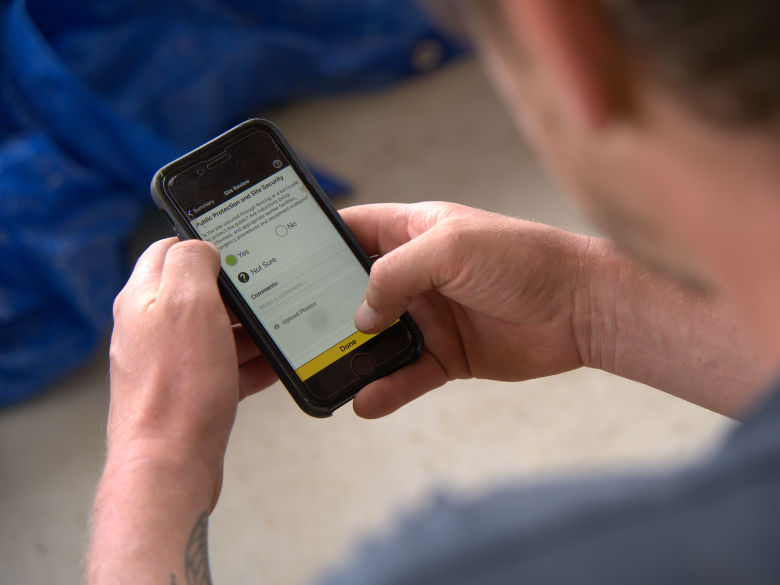
It’s that time of year again - the calendar’s full, the jobs are piling up, and everyone’s looking forward to a well-earned break. You’re pushing to get the last few projects over the line, fi...

Thank you to everyone who entered our ‘From Hard Hats to Holidays - Win a $4,000 Escape!’ competition during October. Keep an eye out in your inbox for our health and safety updates.
Congra...

HazardCo has partnered with Pointsbuild, one of Australia’s leading providers of online CPD and compliance training, to give HazardCo’s Complete members free access to the WHS Risk Management ...
The hidden danger on-site: Silica dust
Construction sites come with plenty of obvious hazards but some of the most dangerous ones are the ones you can’t see. One of those hidden risks is res...
From 1 October 2025, SafeWork NSW is rolling out a Silica Worker Register (SWR), a new system to track workers doing jobs that expose them to respirable crystalline silica dust.
If your cre...

This blog is based on a webinar we ran earlier this year. You can get access to the recording here.
A visit from a safety regulator can make even the most experienced builder a little nervo...
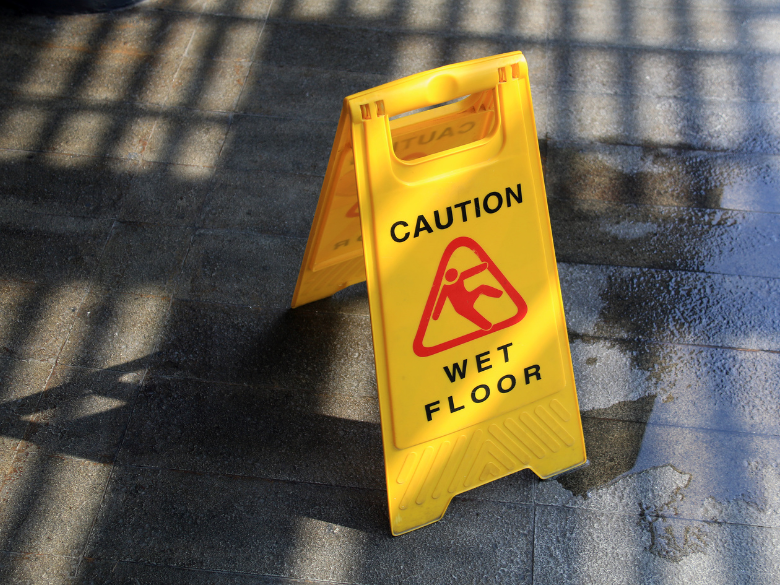
Slips, trips, and falls - don’t let them take you down. Evaluating safety in your workplace is key.
Slips and trips might seem harmless, but on-site they’re one of the biggest cause...
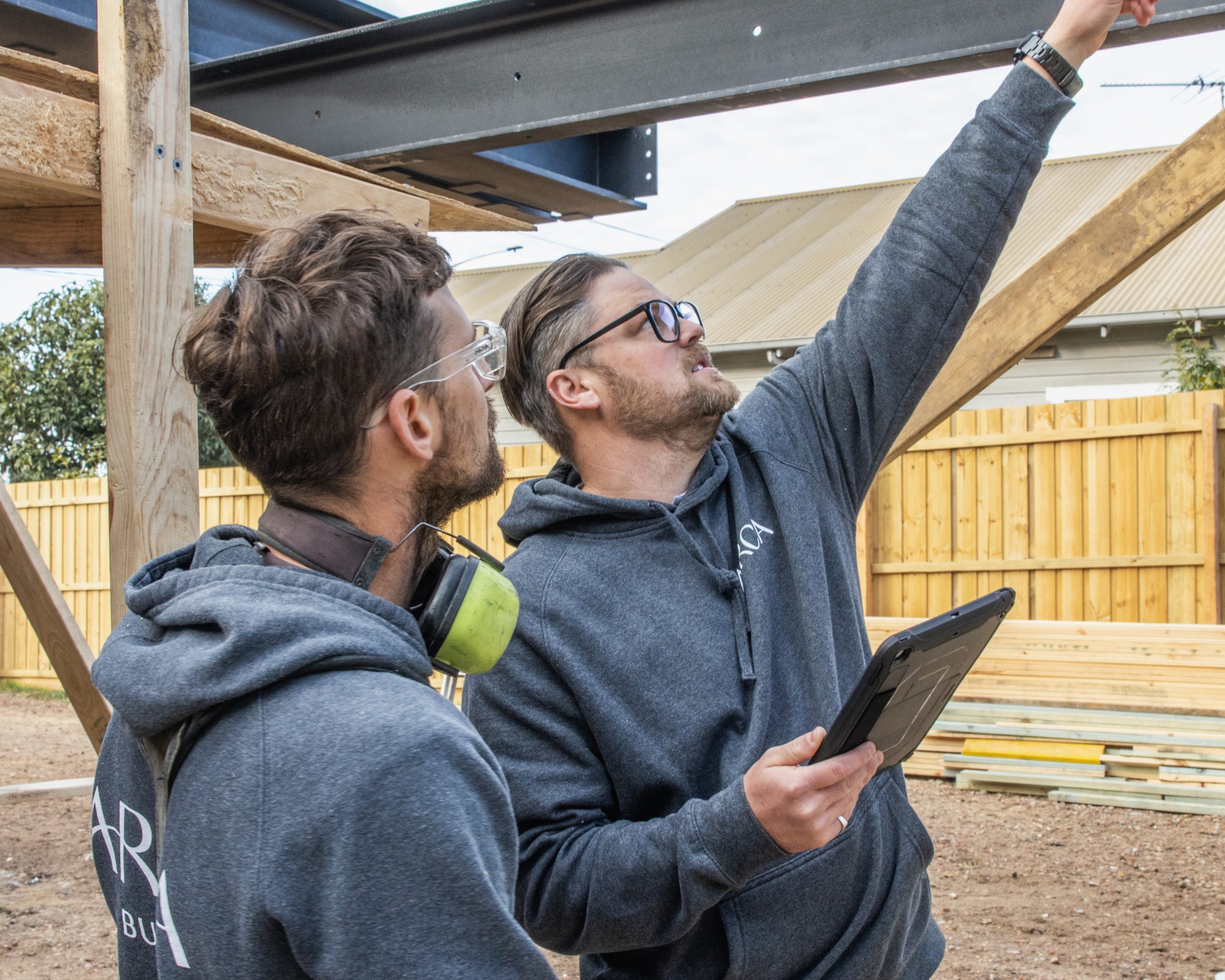
When you’re running a construction site, there’s already enough on your plate, the last thing you need is to be drowning in paperwork or missing a key safety step. That’s why we’ve pulled toge...