Each year, more tradies are turning to digital tools and software to streamline their work both on-site and in the office. From electricians to plumbers, carpenters to landscapers, those with efficient systems and processes – especially digital ones – are building stronger, more resilient businesses that can tackle any challenge.
If you’re still buried in paperwork or losing time on repetitive tasks, now is the time to explore the latest tech solutions designed to simplify your operations. Go digital and set your trade business up for success in 2026.
Here are some of the top tools to help you get ahead:
PROTRADE United
Business advisory and coaching
PROTRADE United is a leading business advisory and coaching organisation for the trades and construction industry across Australia and New Zealand. With over 20 years’ experience, they help businesses improve performance, profitability and sustainability, including building awareness around emerging tools like AI to streamline operations and stay competitive.
Learn more at PROTRADE United.

Simpro
Field service management software
Simpro is an end-to-end field service management platform designed to help trade businesses streamline workflows and connect office and field teams. Built for complex service jobs, maintenance contracts and multi-phase projects, Simpro automates scheduling, job costing, inventory, invoicing and more, while integrating with popular accounting software.
Learn more about Simpro.

Hnry
Accounting service for sole traders
Hnry is an award-winning tax and financial admin service built specifically for sole traders. For a simple percentage of income, Hnry manages tax, BAS, expenses and invoicing as you earn, removing the stress of compliance and paperwork so you can focus on running your business.
Learn more about Hnry.

HazardCo
A simple health and safety system
HazardCo is a simple, digital WHS system that helps builders stay compliant while reducing paperwork. With guided SWMS, site-specific safety plans, incident reporting, contractor management and a dedicated Advisory Team, HazardCo makes health and safety easier to manage on site.
Find out more about HazardCo.

Fergus
Job management software
Fergus is a job management platform designed to help tradies run more profitable and efficient businesses. It simplifies quoting, scheduling, job tracking, reporting and payments, while integrating with accounting and supplier tools. The Fergus Go mobile app keeps teams connected and productive on site and on the go.
Learn more about Fergus.

Dext
Pre-accounting software
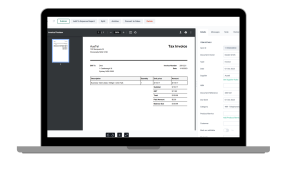
Dext helps builders and trades automate expense tracking and document capture. With 99% data extraction accuracy, Dext Prepare reduces manual entry, keeps records organised, and publishes clean data directly into accounting software like Xero.
Find out why businesses owners of all industries choose Dext Prepare.
Fleet Complete
GPS fleet and asset tracking software
Fleet Complete is a GPS fleet, asset and workforce management platform designed to help construction businesses improve safety, efficiency and compliance. With real-time tracking, AI-powered safety alerts and data-driven insights, Fleet Complete helps builders and contractors better manage vehicles and equipment across demanding job sites.
Find out more about Fleet Complete.

Xero
Accounting software
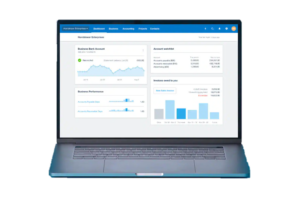
Xero is cloud-based accounting software that helps builders manage finances from anywhere. It connects with banks, accountants, bookkeepers and apps like Dext, making it easy to stay on top of cash flow, expenses and reporting on site or in the office.
Find out more about Xero.
Tradify
Job-management software
Tradify is a purpose-built job management app that helps tradies manage jobs from enquiry to payment. Designed for electricians, plumbers and HVAC businesses, Tradify streamlines quoting, scheduling, invoicing and timesheets, with cloud access and seamless integrations with accounting software like Xero, MYOB and QuickBooks.
Find out more about Tradify.
Each year, more builders are turning to construction software to simplify the way they work – both on site and behind the scenes. In 2026, the businesses pulling ahead are the ones with strong systems and streamlined digital processes, giving them the resilience to handle whatever the market throws their way. If paperwork is still eating into your time and slowing the team down, now’s the moment to take a serious look at today’s construction tech. Go digital and set your building business up for success in 2026 and beyond.
Here are some of the top tools to help you level up:
Buildxact
Construction management and estimating software
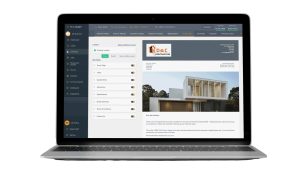
Buildxact is an all-in-one estimating and job management platform built for residential builders and trades. It supports the full workflow from takeoffs and quoting through to job management and invoicing, with supplier price integrations and mobile tools to keep site and office aligned.
Learn more about Buildxact.
HazardCo
A simple health and safety system
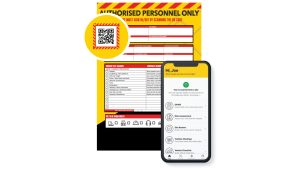
HazardCo is a simple, digital WHS system that helps builders stay compliant while reducing paperwork. With guided SWMS, site-specific safety plans, incident reporting, contractor management and a dedicated Advisory Team, HazardCo makes health and safety easier to manage on site.
Find out more about HazardCo.
Landchecker
Property Information
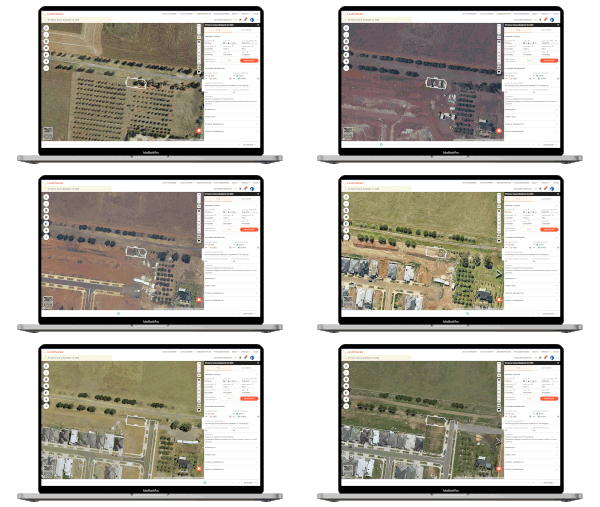
Landchecker is a map-based property research platform that helps builders and developers assess sites quickly and confidently. You can access zoning, overlays, hazards, site dimensions, titles, planning data and high-resolution aerial imagery to support feasibility and due diligence.
Learn more about Landchecker.
ProCalc
Client budget validator
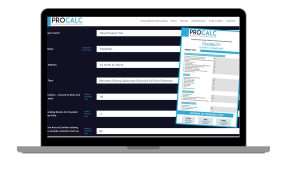
ProCalc helps residential builders quickly qualify leads by identifying whether projects are financially viable before investing time in detailed quotes. Backed by Australian construction data, it delivers fast, adjustable ballpark estimates to protect margins and prioritise the right jobs.
Start your free ProCalc trial today.
Gtee
Digital Warranty and Maintenance
Gtee simplifies builder handovers by digitising warranty and maintenance information for homeowners. You can select products from a database, ensuring compliance, reducing admin and providing clients with 24/7 access to their digital account for at least 15 years.
Learn more about Gtee. Watch a short demo video.

Dext
Pre-accounting software
Dext helps builders and trades automate expense tracking and document capture. With 99% data extraction accuracy, Dext Prepare reduces manual entry, keeps records organised, and publishes clean data directly into accounting software like Xero.
Learn more about Dext.
Xero
Accounting software
Xero is cloud-based accounting software that helps builders manage finances from anywhere. It connects with banks, accountants, bookkeepers and apps like Dext, making it easy to stay on top of cash flow, expenses and reporting on site or in the office.
Find out more about Xero.
Fatigue is now considered a workplace hazard, one that you can no longer ignore. This is one of the most common, and most underestimated, hazards on site. It’s often brushed off as “just being tired”, but fatigue can seriously affect how safely someone works. When workers are fatigued, they’re more likely to make mistakes, ignore risks and get hurt. Long hours, physically demanding work and shift schedules can all contribute to fatigue, sometimes before people even realise it’s affecting them.
Fatigue isn’t just about physical tiredness. It’s a state of physical, mental or emotional exhaustion that impacts concentration, alertness, reaction times and decision-making. A fatigued worker may take shortcuts, struggle to focus or react more slowly to changing conditions. In high-risk environments, that loss of awareness can quickly lead to incidents.
Workplace fatigue usually builds over time and is rarely caused by one thing alone. Factors such as:
- long or irregular hours
- not enough breaks
- heavy workloads
- repetitive tasks
- mentally demanding work
- environmental conditions; like heat, cold, noise and poor lighting
- poor sleep
- health issues
- personal stress or
- second jobs
Because fatigue builds gradually, it’s not always easy to spot. Fatigue is a serious safety issue because it increases the risk of vehicle and plant incidents, slips, trips and falls, procedural errors and slower responses in emergencies.
Over the long term, ongoing fatigue can also contribute to health problems such as mental health issues, heart disease and musculoskeletal injuries.
Managing fatigue is a shared responsibility. Businesses need to plan work safely by managing hours, workloads and conditions, and making sure workers have time to rest and recover. Workers also need to take breaks, manage rest where possible and speak up if they’re feeling fatigued or unfit for work.
The best way to manage fatigue is to prevent it. Simple steps like:
- planning reasonable hours
- rotating tasks
- scheduling demanding work earlier in the shift
- providing regular breaks
- providing water and shade
- encouraging open conversations about fatigue
Fatigue might be common, but it shouldn’t be accepted as part of the job.
To better help you navigate this, HazardCo has :
- Created a Fatigue Management Policy available to all members in the Hub
- The SWMS templates have been updated to make sure that all workers signing them are confirmed to be fit for work, in addition to completing the fit-for-work declaration when they scan onto a HazardCo site.
If you need further information or help, call our Advisory Team on 1800 954 702.
Thank you to everyone who entered our ‘From Hard Hats to Holidays – Win a $4,000 Escape!’ competition during October. Keep an eye out in your inbox for our health and safety updates.
Congratulations to the winner:
Travis from G.J. Gardner Homes Warragul
From 1 October 2025, SafeWork NSW is rolling out a Silica Worker Register (SWR), a new system to track workers doing jobs that expose them to respirable crystalline silica dust.
If your crew cuts, drills, grinds, or polishes concrete, bricks, tiles, or any other silica-containing material, this change affects you.
What is the Silica Worker Register?
The SWR is an online register where businesses (PCBUs) must record details of any worker carrying out high-risk silica work.
This helps SafeWork NSW track exposure, monitor worker health, and prevent silicosis and other dust-related diseases.
Key start date: 1 October 2025
Timeframe: You must register a worker within 28 days of them starting high-risk silica work.
Who needs to be registered?
You’ll need to register any worker who performs high-risk silica tasks, such as:
- Cutting, grinding, drilling or polishing materials with crystalline silica
- Tunnelling, demolition, quarrying, or manufacturing using silica-rich materials
If you’re unsure whether work is high-risk, play it safe and register your workers.
What details you need to provide
You’ll need to enter details for both your business and the worker, including:
- Business name, ABN, contact info
- Worker’s name, date of birth, and contact info
- Worksite location and start date
- Health monitoring provider (if applicable)
Why it’s important
The register is part of NSW’s effort to reduce silica-related disease and improve worker safety across construction and trades.
Failing to register can lead to penalties but more importantly, this is about keeping your crew healthy and protected.
What Should Do Now
- Identify high-risk tasks on your sites.
- Collect worker details and keep them on file.
- Set up a reminder system to register within 28 days.
- Continue dust control measures like wet cutting, PPE, and ventilation.
- Talk to your team and explain the changes and why they’re important.
The Silica Worker Register isn’t just more paperwork, it’s about protecting your team’s health.
Need help?
Check out these additional resources:
Or call our Advisory Team on 1800 954 702.
This blog is based on a webinar we ran earlier this year. You can get access to the recording here.
A visit from a safety regulator can make even the most experienced builder a little nervous. But as HazardCo’s Senior Health and Safety Advisor, Glenn Smith, shared in a recent webinar, these visits are not always about catching people out, they’re about ensuring everyone goes home safe at the end of the day.
Why Regulators Visit
Regulators such as WorkSafe or SafeWork might visit your site for several reasons:
- Routine inspections as part of general compliance checks
- Follow-ups after incidents or previous visits
- Complaints from the public or nearby residents
- Or even random drive-bys if a site appears unsafe
“Sometimes they’re just checking in, other times they’re responding to a concern,” Glenn explains. “But they’re not out to get you – they just want to make sure people are working safely.”
What To Do When They Arrive
First rule: don’t panic. Always welcome the inspector onto your site politely and check their ID to confirm who they are. Regulators are usually easy to identify with branded uniforms, badges, and vehicles.
Be open and cooperative. “Don’t drop your hammer and bolt, they’re just doing their job,” Glenn says. Provide the documents they ask for, such as your SWMS, safety plans, induction records, and toolbox meeting notes.
Being organised makes a great first impression. Inspectors are far more comfortable when they can see your systems are in order. Having everything stored digitally, such as in the HazardCo App, can make this process fast and stress-free.
Want to know more?
To find out the common mistakes to avoid and how to be inspection ready all year round, watch the webinar recording.
If you’re after more information about what to expect when your worksite is inspected by WorkSafe/SafeWork, check out this blog.
When you’re running a construction site, there’s already enough on your plate, the last thing you need is to be drowning in paperwork or missing a key safety step. That’s why we’ve pulled together a straightforward checklist to keep your team safe, your site compliant, and your projects moving smoothly.
Here’s a brief overview:
Before You Kick Off the Project
Think of this as your pre-game warmup. Get these things sorted before the first nail goes in:
- Create a Site Safety Plan (SSSP) – Who does what, how you’ll handle risks, safety rules, and what to do if something goes wrong.
- Put up a Principal Contractor sign – Make it clear who’s in charge, with contact details in case of emergencies
- Fence the site – Keep it secure so no one wanders in by accident.
- Amenities – Provide the basics, toilets, handwashing, and drinking water.
- Check the electrics – Make sure your switchboard meets AS/NZS 3012 standards.
- Paperwork check – Insurance certificates, white cards, high-risk licences, maintenance records are all in order.
- Asbestos clearance (if needed) – Non-negotiable if there’s been demolition.
During the Build
Safety isn’t “set and forget” it’s about checking in regularly:
- Site inductions – Make sure every contractor knows the hazards and is logged on record.
- Safe Work Method Statements (SWMS) – Required for high-risk construction work. If something changes, update before work continues.
- Regular site reviews – Keep an eye on hazards like scaffolds, ladders, hot works, or electrical gear.
- Toolbox talks – Share updates on incidents, risks, and fixes. Short chats, big impact.
- Incident reporting – Near misses, injuries, or illnesses? Get them in the register and investigate. Some might need to notify the regulator.
Why This Matters
At the end of the day, good safety practices don’t just tick a compliance box, they keep your crew safe, reduce downtime, and save you headaches when auditors or regulators come knocking.
The best part? With HazardCo, you can ditch the endless paperwork and manage everything in one easy system.
Ready to Make Safety Simple?
Health and safety doesn’t need to be complicated. With the right systems in place, you can focus on building, while knowing your site is covered.
Download your free Builder checklist, or Trade checklist.
Get in touch with us
Want an easier way to stay on top of it all? Get in touch with us or start a free trial.
The below information is applicable to those in Western Australia.
From 10 August 2025, operating earthmoving machinery (like excavators) as a crane to suspend loads over 3 tonnes will require a High Risk Work Licence (HRWL) under WHS regulations.
Key Licensing Requirements
- Operators must be competent and trained.
- Required licences:
- CN HRWL for non-slewing mobile cranes
- C2 HRWL for slewing mobile cranes
- Exemption from C2 HRWL applies if the operator:
- Holds a Dogging (DG) HRWL,
- Completes SLELIC301 training Conduct Safe Lifting with Excavators, and
- Provides a valid Statement of Attainment
When Can Earthmoving Machinery Be Used to Lift Loads?
Only if:
- It’s designed and approved for lifting
- Manufacturer’s limits are followed
- Equipment is properly maintained and inspected
- Lifting attachments are safe and suitable
A thorough risk assessment must be done to decide if this method is the safest option. If not, alternative lifting equipment should be used.
Safe Work Method Statement (SWMS) Requirements
A SWMS is mandatory and must:
- Identify hazards and risks (e.g. load weight, lifting gear, ground conditions, travel path)
- Describe control measures and how they’ll be applied
- Be accessible and clear to all involved
WorkSafe Enforcement
WorkSafe will focus on education until 10 December 2025. For example, information and verbal directions may be given instead of compliance notices. After that, safety breaches may lead to enforcement.
Over the next 5 years Australia’s multi-dwelling construction industry is expected to grow due to urbanisation and strong population growth. Despite having a downturn in recent years, the number of businesses in the industry has grown 1.9% per year, reaching 27,700 in 2024.
What is Multi-Dwelling Housing?
In Australia, “multi-dwelling housing” refers to residential developments with three or more dwellings on a single lot, each with ground-level access, and excludes apartment buildings.
What’s the difference?
The key difference between single and multi-dwelling housing is the level of complexity required to manage the build and the likelihood of additional layers of responsibility e.g. directors and development owners above the principal contractor.
There are often complex stages of these builds, which are generally run by specialised subbies e.g. planning (engineers, architects, quantity surveyors), and build stages (civil works, construction management, carpentry/joiners, concreting) etc. In addition, there are often more intricate designs, additional fire safety regulation and stricter compliance standards.
Multiple dwellings also mean more trades are on-site working in close proximity to each other, and on top of that sites are located in more established areas where there is more interaction with existing residents and the general public.
Multi-dwelling Project Requirements
Because multi-dwelling housing creates more risk on-site due to the increased amount of subbies, machinery, equipment, and high-risk work taking place, It’s important that you have the right H&S tools in place for your contractors and a safe system of work e.g. Site Specific Safety Plan (SSSP) for all multi-dwelling projects.
A SSSP for a multi-dwelling build will outline how all involved parties will manage health and safety on-site. This includes details between parties on how they will manage workers, their expectations, roles, and responsibilities to ensure that all relevant site safety information is available.
Due to the potential complexity of multi-dwelling builds, we always recommend a more detailed and customised SSSP to manage risks effectively and reduce overall risk to the business and the workers.
The extra complexities that can need extra planning and control include:
- Pre-planning of the project, because there are many moving parts, schedules and sensitive timelines.
- Detailing key parties, subbies, and their contact details.
- Multiple responsibilities, e.g. principal contractors, multiple teams of trades.
- When more trades are working at the same time, it’s important to take a more thorough approach to coordination and managing hazards.
- The SSSP allows for the detailing of the hazards and risks that are likely to be faced, and what controls are to be used to reduce or eliminate those.
- Plans for emergencies and the site’s response throughout the build.
- Any specific requirements e.g. some state have additional safety requirements for multi-dwelling builds
- More complex site boundaries e.g. large areas, houses that are sold whilst construction continues in other parts, site boundaries in close proximity to pedestrians etc.
- Traffic management needs, e.g. more trade parking, higher traffic flow of machinery or materials, cranes and concrete pump trucks, council requirements etc.
- This list is not exhaustive but all of these complexities are often above and beyond a single dwelling build and need planning, controlling, and communicating to ensure the health and safety of workers and others are managed well.
Got a new multi-dwelling build kicking off?
Project Pro and the HazardCo system are suitable and capable of meeting the H&S requirements of multi-dwelling builds, so you can feel confident that HazardCo can support you as your business grows.
If you are a builder starting to diversify, now’s the right time to review your Health and Safety activity.
That’s where HazardCo comes in. If you’re building 3 or more dwellings within a fenced-off section, you will need HazardCo’s Project Pro. This is a customised project, specifically for your build that gives you everything you need for your team and all the subcontractors you will have coming onto the site.
Here are some key components of Project Pro that will help you cover all your bases.
- 2 x Hazard Board with QR code
- Customised SSSP for the project (in consultation with a H&S Advisor)
- On-site Traffic Management Plan
- Large HazardCo mesh fence banner
- Full access to the HazardCo system to guide anyone scanning onto site
- In app guided activity to support learning
- Cloud storage of all safety documentation completed on site
- Reporting and analytics to identify opportunities and trends on site
- Support from our Customer support and Advisory teams
If you have a new multi-dwelling residential project kicking off, give us a call on 1800 954 702 or email info@hazardco.com to discuss your requirements and what you need to be thinking about from a H&S perspective and the added complexities that come with it.
Good health and safety processes and systems lay the foundation for success with any project but are even more important with bigger builds and multi-dwelling residential projects.
This blog will dive into managing health and safety in complex construction projects and look at how to set up effective systems to lay a solid foundation for your next big project.
Why focus on health and safety in multi-dwelling projects?
At HazardCo, we keep a close eye on industry trends to make sure our content and tools are relevant and useful. Over the last 12 months, there has been a significant increase in council consents for multi-dwelling residential projects. There are now more consents issued for multi-dwelling projects than stand-alone builds.
Multi-dwelling projects are bigger, more complex, and have more layers of shared duties, creating a need for a solid health and safety plan from the very start of the build. We also consistently see that businesses that set up good processes and systems within their business and who have a strong safety culture, do better than their competitors who don’t invest in these areas.
Download our Multi-dwelling Residential Checklist to make sure you’re ticking all the boxes when it comes to keeping your crew and your business safe.
Common myths in multi-dwelling construction
In talking to our customers, we’ve encountered several myths about multi-dwelling projects:
- Responsibility myths: Builders and trades often think they are only responsible for their own health and safety, while developers or principal contractors believe they are not responsible for overall site safety.
- Risk assessment myths: Some believe there is no additional risk in multi-dwelling builds compared to standalone projects.
- Cookie Cutter Model: Many assume that using the same safety plans and procedures across different projects is sufficient. However, each site and build is unique, with its own set of challenges and risks.
Overlapping duties and responsibilities
In multi-dwelling projects, shared duties are unavoidable. All businesses involved must consult, cooperate, and coordinate with each other. Good communication and sharing information is critical to managing these overlapping responsibilities and creating a safe site.
To incorporate consultation, coordination, and cooperation into your construction business, start by planning each stage of the work and think about how it affects your contractors, other businesses and the public. In this process, you need to identify the risks that need to be managed and talk to who is impacted about how to handle them. With your contractors, decide who’s best to manage each risk and make sure everyone knows their roles, responsibilities, and what’s expected of them.
Unique challenges of multi-dwelling projects
Compared to standalone residential projects, multi-dwelling builds involve more contractors, equipment and activities on a smaller site, which increases risks. Key considerations include:
- Contractor management: Managing multiple trades on site at one time.
- Height and equipment: Multi-dwelling projects often involve taller structures and more heavy machinery e.g. cranes.
- Traffic and pedestrian management: Managing the increased traffic of vehicles and pedestrians around the site.
- Materials: Managing increased delivery and storage of materials on site
- Utilities: Dealing with both overhead and underground utilities.
- Environmental impact: Planning for construction waste and protecting the environment.
- Emergency planning: Comprehensive plans for various emergencies, beyond just fires and earthquakes.
Contractor management
Contractor management and the logistics of contractors on site is a major challenge on multi-dwelling projects. Successful contractor management starts before they even enter on to a site, and involves checking contractors have the right qualifications, health and safety processes, and a good track record. Pre-planning and continuous monitoring of your contractors, when they are on site, is essential to prevent injuries and ensure smooth project execution.
If you would like to know more about contractor management, check out our Simple Guide To Contractor Management.
High-risk work areas
Key high-risk areas in multi-dwelling projects create another unique challenge for these projects and can include the following:
- Working at heights: As most dwellings are two or more stories. Proper planning and safety measures for working at elevated levels, including the use of scaffolding, cranes.
- Machinery and vehicles: Safe operation and coordination of heavy equipment.
- Utilities: Avoiding incidents with power lines and underground utilities.
- Excavations: Proper planning of excavations and management of works and machinery.
Successful health and safety management sets your project up for success
Businesses that have good processes and systems in place do better across the board and they are more likely to complete projects on time and on budget. This creates happy clients and a better reputation in the industry.
Successful multi-dwelling projects often include:
- Early health and safety planning: Integrating safety into the planning stages to create a safer work environment.
- Continuous monitoring and reviewing: Regular checks and updates to safety processes throughout the project.
- Clear communication and coordination: Ensuring all contractors are informed and aligned on health and safety practices.
The shift towards multi-dwelling residential projects brings new health and safety challenges. By debunking myths, understanding shared duties, managing contractors effectively, and focusing on high-risk areas, you can make your sites safer! Remember, health and safety planning is not just a regulatory requirement but a vital part of protecting the crew on site.
Download our Multi-dwelling Residential Checklist to make sure you’re ticking all the boxes when it comes to keeping your crew and your business safe.
If you have a new project in the pipeline, let’s work together to keep your sites safe and successful. We have specifically designed Project Pro to meet the complex needs of multi-dwelling residential builds which includes extra support from our advisory team. Get in touch today!
Looking for something in particular?

Each year, more tradies are turning to digital tools and software to streamline their work both on-site and in the office. From electricians to plumbers, carpenters to landscapers, those with ...

Each year, more builders are turning to construction software to simplify the way they work - both on site and behind the scenes. In 2026, the businesses pulling ahead are the ones with strong...

Fatigue is now considered a workplace hazard, one that you can no longer ignore. This is one of the most common, and most underestimated, hazards on site. It’s often brushed off as “just being...

Thank you to everyone who entered our ‘From Hard Hats to Holidays - Win a $4,000 Escape!’ competition during October. Keep an eye out in your inbox for our health and safety updates.
Congra...
From 1 October 2025, SafeWork NSW is rolling out a Silica Worker Register (SWR), a new system to track workers doing jobs that expose them to respirable crystalline silica dust.
If your cre...

This blog is based on a webinar we ran earlier this year. You can get access to the recording here.
A visit from a safety regulator can make even the most experienced builder a little nervo...
When you’re running a construction site, there’s already enough on your plate, the last thing you need is to be drowning in paperwork or missing a key safety step. That’s why we’ve pulled toge...
The below information is applicable to those in Western Australia.
From 10 August 2025, operating earthmoving machinery (like excavators) as a crane to suspend loads over 3 tonnes will requ...

Over the next 5 years Australia's multi-dwelling construction industry is expected to grow due to urbanisation and strong population growth. Despite having a downturn in recent years, the numb...

Good health and safety processes and systems lay the foundation for success with any project but are even more important with bigger builds and multi-dwelling residential projects.
This blo...

Adverse weather has the potential to hit hard, with strong winds, extreme temperatures, and rain. All of these factors can cause hazards for you and your workers. From trips and slips to numb ...
Each year, an increasing number of builders are adopting construction software to streamline operations both on-site and in the office. Companies that have well-established systems and process...