


Working on a HazardCo site? One tool, all corners covered – in your back pocket!


Looking after your team when times are tough
Apr 17, 2026
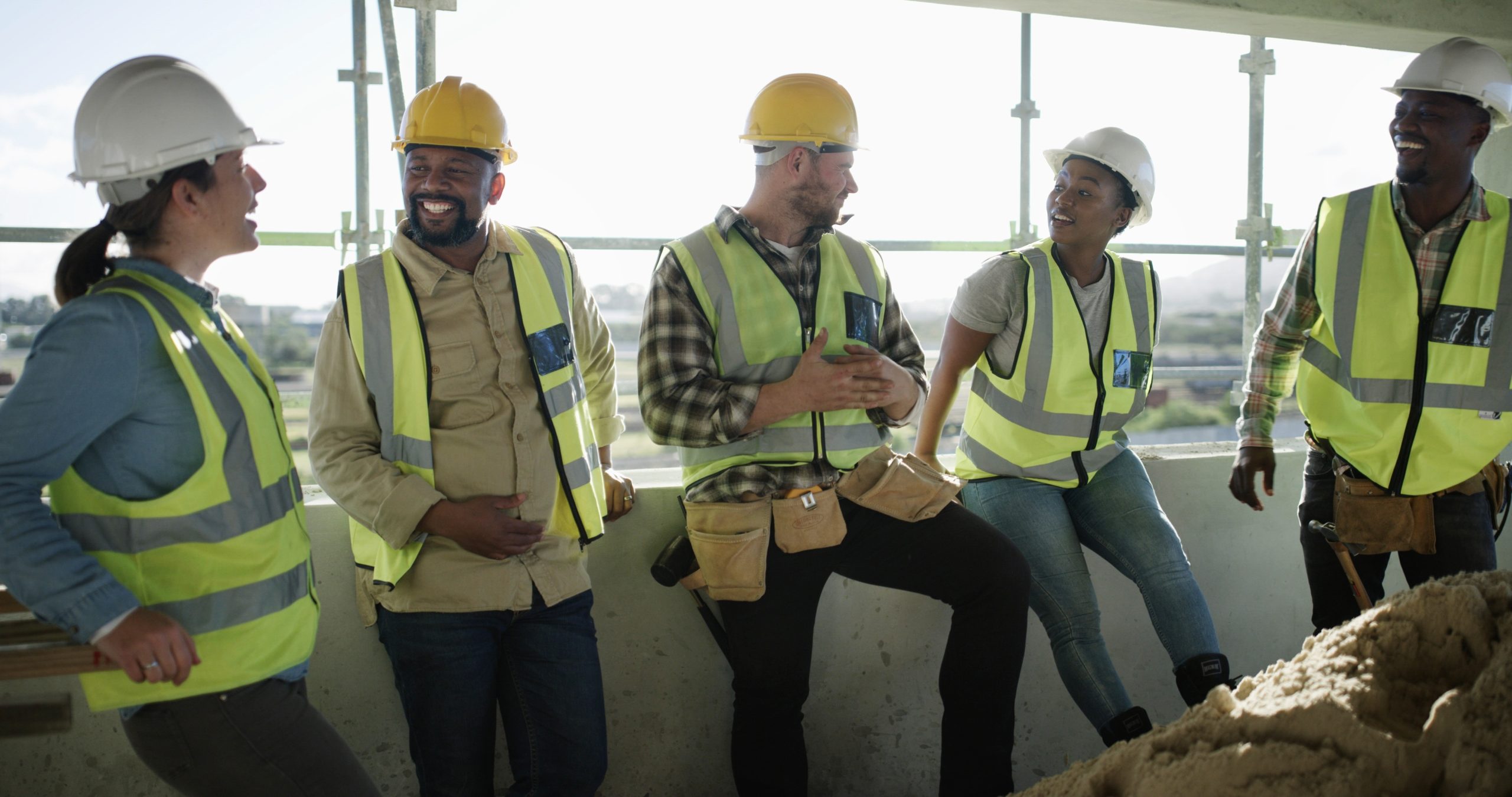
Running a building business is hard at the best of times. Right now, with fuel prices putting pressure on the industry, a lot of business owners are carrying a weight that goes well beyond the day-to-day. And your crew are likely feeling it too, not just on the job, but at home. Cost-of-living pressures are real, and the same uncertainty that keeps you up at night is affecting the people who show up to work for you every morning.
Mental health in the construction industry has come a long way as a conversation, but when things get stressful, it can still be one of the first things to quietly fall through the net. If you’re leading a team, your mood and wellbeing rubs off on the people you lead. That’s why your well-being matters just as much as anyone else’s on-site.
Check in with yourself first
It’s hard to look out for your team if you’re running on empty. Some signs that stress might be building up:
- Struggling to sleep, or waking up with work going round in your head
- Feeling snappy or short-tempered more than usual
- Losing your drive, or that flat “what’s the point” feeling
- Pulling away from family, mates, or things you’d normally enjoy
If any of that sounds familiar, you’re not alone — and it’s worth taking seriously. Talk to someone you trust, whether that’s a mate, your partner, or your GP. You don’t need to have it all figured out before you reach out.
If you’re not sure where to start, Mates in Mind (matesinmind.org) is built specifically for the construction industry. Or you can call the Samaritans any time on 116 123 — free, confidential, and always there.
Keep an eye on your team
As a business owner, you’re in a unique position to notice when someone on your team isn’t quite themselves. You don’t need to be a counsellor, just a decent person who pays attention.
Some practical ways to support your team’s mental health:
- Check in regularly. It doesn’t have to be a formal chat. A genuine “how’s it going?” on the way to site goes a long way.
- Normalise the conversation. If you’re willing to talk about mental health openly, your team will feel safer doing the same.
- Watch for changes in behaviour. More mistakes, lateness, going quiet, or snapping at people can all be signs someone is struggling.
- Know your resources. Make sure you and your team know where to turn. Mates in Mind (matesinmind.org) is built for construction. The Lighthouse Club helpline (0345 605 1956) is also free and confidential, available 24/7.
- Lead by example. If you take a lunch break, your team will too. Small things send big signals about what’s OK on your site.
Focus on what’s in your control
Uncertainty breeds anxiety; that’s just human nature. When everything feels like it’s shifting, it helps to anchor yourself to the things you can influence: how you treat your team, the culture you create on site, and the routines that keep your days structured.
You don’t have to have all the answers. But showing up, being present, and letting your team know you’ve got their back, that counts for more than you might realise.
You’re not in this alone. Builders and tradespeople up and down the country are dealing with the same pressures right now. Lean on your network, talk to your peers, and don’t be afraid to ask for help — professionally or personally.
Free support services:
- Mates in Mind – matesinmind.org
- Lighthouse Club – 0345 605 1956 | lighthouseclub.org
- Samaritans – 116 123 | samaritans.org