


Working on a HazardCo site? One tool, all corners covered – in your back pocket!


Dust on-site: The invisible threat to your lungs
Jul 01, 2026
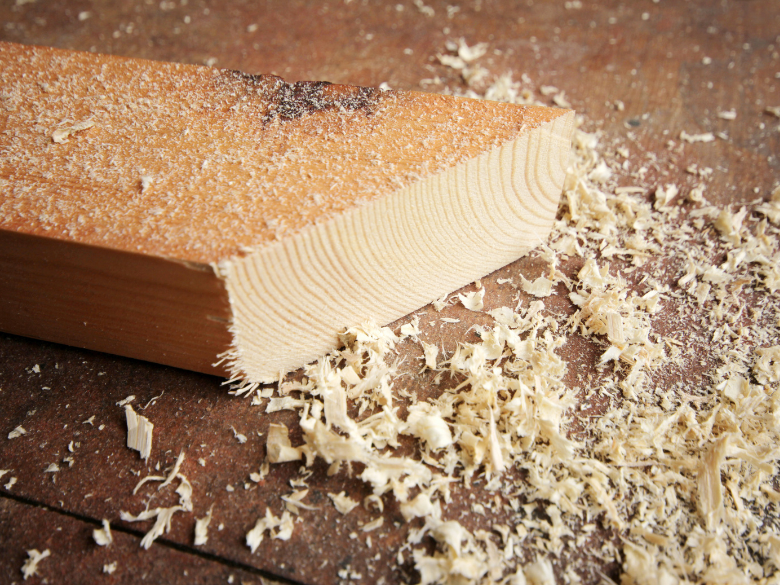
Let’s be honest, dust on-site is part of the job. Whether you’re cutting, sawing, sanding, or drilling, you’re going to create a mess. But while the big chunks of sawdust are easy to sweep up, it’s the tiny, invisible stuff floating in the air that you really need to watch out for.
What’s the damage?
Our bodies are pretty good at filtering out the big stuff, but those microscopic dust particles can fly right past your natural defences and get deep into your lungs. Over time, this causes serious scarring.
Damage to the lungs makes it harder to breathe — and that damage can be permanent, which can lead to asthma or even lung cancer. It’s not just the wood itself either—the glues, resins, and chemical treatments packed into modern timber make it even worse.
Additionally, wood dust can irritate your eyes and cause unpleasant skin rashes, such as dermatitis.
Keeping the dust down
We know you can’t stop dust completely — but you can manage it. Here’s how to meet HSE guidance, keep things above board, and protect your lungs:
- Order smart: Buy pre-cut or processed timber where you can to skip the on-site cutting.
- Extract it: Use on-tool dust extraction with an M-class extractor right at the source when cutting or sanding.
- Ditch the broom: Never dry-sweep. It just kicks the dust back into the air. Use an M-class extractor to clean up, or dampen the area down with water first.
- Mix it up: Limit the time any one person spends on the dustiest jobs — job rotation helps keep exposure within safe limits.
- Gear up: Make sure everyone’s wearing the right RPE for the task. A standard dust mask won’t cut it — you need a FFP3 respirator for wood dust.
- Wash off: Wash your hands and face before eating, drinking, or smoking. Leave the dusty overalls at work so you don’t take the hazard home to the family.
Get your team up to speed
Your team needs to know what they’re up against. The best way to do this is to sort it during your regular toolbox talks. Take five minutes this week to cover:
- The health risks of breathing in wood dust.
- Safe ways to work when things get dusty.
- How to actually use and look after your dust extraction gear.
- How to properly fit, wear, and look after your masks.
We’re all in this together. Keep it simple, keep it safe, and look out for your mates. If you’re ever unsure about how to tackle a hazard, just call the team on 020 4571 3920 or fire through an email to advisory@hazardco.co.uk