Summer’s here. Are you ready for the heat?
Longer days and sunshine make it feel like the perfect time to crack into work. But while summer brings good vibes, it also brings its own set of risks. No matter the season, hazards don’t take a break and the hot weather can put extra pressure on your team.
So, what steps are you taking to keep everyone safe from the heat and the harsh summer sun?
Sun safety is just the start
We all know the basics: Slip, Slop, Slap, and Wrap to reduce the risk of sunburn, skin damage and skin cancer. But heat can be just as dangerous. Heat exhaustion, dehydration, and fatigue can creep up quickly if you are not prepared.
Know the signs
Heat exhaustion
Heat exhaustion happens when the body overheats from losing too much water and salt through sweat. If you don’t act fast, it can develop into heat stroke.
Heat stroke
Heat stroke occurs when the body’s temperature hits 39.4°C or higher and the body can no longer cool itself down. This is serious and needs urgent medical attention.
Early signs include heat rash and heat cramps, spotting them early can help prevent things from getting worse.
Check out this helpful resource for symptoms and treatment options for heat-related illnesses.
If you’ve got underlying health conditions that might be affected by extreme heat, make sure someone at work knows.
Manage the risks
Plan ahead
The sun is strongest between 10am and 4pm. Take regular breaks, work in the shade where possible, and consider shifting physically demanding tasks to cooler parts of the day.
Stay hydrated
Drink plenty of water, even if you’re not feeling thirsty. Sweating means you’re losing fluids fast.
Cover up
Slip on a shirt, Slop on sunscreen, Slap on a hat, and Wrap on sunglasses. Even on cloudy days, UV rays can still burn your skin. Here’s another great resource on protecting yourself outdoors.
Listen to your body
Feeling light headed, tired, or short of breath? Take a break. Heat stress builds quickly and can affect how well you think and move and that’s when incidents happen.
Keep the conversation going
Make heat and UV exposure a regular Toolbox topic. This is a simple and effective way to keep your team aware of this often-overlooked hazard. And remember, you can record all your Toolbox meetings easily in the HazardCo App.
If you’ve got questions or want to chat about the risks on your site, our Advisory Team is here to help.
Give us a call on 0800 555 339
Kick off the New Year safely on site
The holidays are done and dusted, and it’s time to ease back into work. Reopening your site is just as important as shutting it down properly and the New Year is the perfect chance to reset, refocus, and set the tone for the year ahead.
After a couple of weeks off, it’s normal for the team to have a bit of Mondayitis. So on day one, take it slow and run through a few key steps to get everyone back on track safely.
Kick-off the year with a Toolbox Meeting
Before anyone gets stuck in, hold a Toolbox meeting:
Go over your SSSP (Site-Specific Safety Plan), walk through emergency procedures, and make sure everyone is fit for work both physically and mentally after the break.
Do a Site Review for new hazards
A lot can change while you’re off-site.
Walk the site and note any new hazards or risks, check fences, gates, and signage are secure and make sure access ways are clear and exclusion zones intact.
Inspect structures, scaffolding, and excavations: Weather and time can take a toll. Check scaffolds, excavations, temporary structures, and anything else that could have shifted, been damaged, or affected by the weather.
Check tools, equipment, and mobile plant: Before the team starts using anything, run inspections and pre-starts.
Make sure tools, gear, and mobile plant are in good working order.
Ease back into it, safety first: Think about a soft start. Give everyone time to check their work areas, ease into the pace, and remember that safety is the priority.
Also keep in mind: after a couple of weeks relaxing in air-con, people may not be ready for full heat exposure straight away.
Heat Safety: Keep Your Team Cool and Safe
Hot weather brings extra risks, so put simple steps in place to keep your team safe and comfortable.
Provide shade and shelter: Set up shade tents or covered areas. For indoor work, open windows or use fans to keep air moving.
Keep everyone hydrated and protected: Make sure workers always have access to drinking water, and encourage sunscreen, lightweight clothing, sunglasses, and sun-protective hats.
Watch for signs of heat-related illness: Everyone reacts differently to heat. Keep an eye out for symptoms like:
- Dizziness, weakness or fatigue
- Nausea or vomiting
- Pale, cool, clammy skin
- Rapid breathing
- Heat cramps
- Dehydration
If someone shows symptoms, provide first aid and seek medical help if needed.
Know when to stop work
If temperatures get extreme, it might be safer to pause work until conditions improve.
Where possible, shift heavy physical tasks to machinery to reduce strain.
Look out for each other
Safety is a team effort. Remind everyone to check in on their mates and report any heat stress symptoms early. Quick action can stop things from getting worse.
Be prepared this summer
Keep your team’s health, safety, and well-being front of mind as you head into the New Year.
Here are some handy resources to help:
If you need support or have questions, our Advisory Team is here to help on 0800 555 339.
If you have any questions you can contact our Advisory Team on 0800 555 339.
Below you will find guidance on what to do in the event of an attack or site emergency involving an assault or an armed offender, including some practical advice on minimising the chances of an attack on-site.
Follow government guidelines:
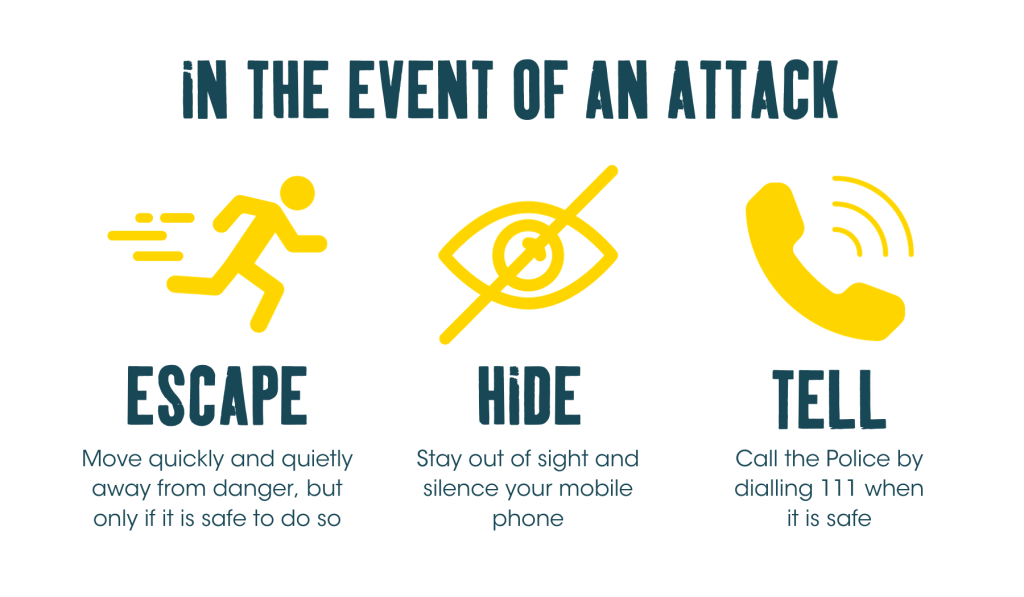
Preparation ideas:
Check:
- Can someone freely walk into the workplace unchallenged?
- Check-in with workers during a Toolbox Talk about site security and what to do in the event of an attack.
- Does the site have CCTV, external and/or internal security lighting?
- Is there reception at the site to easily notify emergency services?
- Have you got two entrances? Ways to escape in an emergency?
Speak Up:
- Have there been any arguments or disagreements?
- Any known or suspected aggravation against worker/s?
- Let your site supervisor or police know if you have knowledge of any potential attack or threats to workers.
- Log any incidents or security breaches using the HazardCo App and if urgent, ensure your site supervisor is made aware immediately.
Ensure:
- Fences stay closed and secured when no one is present on-site. Keep sites closed from unauthorised entry during the day. Keeping fences shut can deter, hinder, or slow down potential attackers.
- Signage like CCTV in operation can deter potential spur-of-the-moment attackers.
- Bullying or arguments are not allowed to continue and are de-escalated immediately.
- Keep sites clear of debris or trip hazards to enable quick escape.
- No gang patches or visual displays of gang affiliation are allowed onsite.
- Site security is taken seriously not just for theft but worker safety.
- Workers on site are respectful of worksite neighbours, not being abusive or making unnecessary or excessive noise. Ensure workers follow council-allowed noise hours.
- Ensure valuables are kept secure and not left onsite overnight where possible.
Post-event
It’s important to be aware of Critical Incident Stress (CIS)
A “critical incident” is an event that can be so emotionally intense that it can be hard to handle using our usual ways of coping. These could include situations like a sudden death, serious injury, or a physical or psychological threat to the safety or well-being of an individual, workplace or community regardless of the type of incident.
Typical symptoms of Critical Incident Stress include:
- Restlessness
- Irritability
- Excessive Fatigue
- Sleep Disturbances
- Anxiety
- Startle Reactions
- Depression
- Moodiness
- Muscle Tremors
- Difficulties Concentrating
- Nightmares
- Vomiting
- Diarrhea
- Suspiciousness
Help your team recover
There are some techniques and professional assistance you can reach out for:
Informal debrief with peers post-event:
This can be done with supervisors, senior team members, or just work colleagues. Try and assess those team members who may need further support. Keep assistance within your training, and reassure colleagues that support is there for them with the provision of support numbers or how to access EAP services if available.
Employee Assistance Program (EAP)
EAP Services provides brief, solution focused support, to help workers deal with any difficulties they may be experiencing and to minimise the impact on their life. Counselling is available via video, over the phone or face to face. It’s important for employers to ensure that they have EAP services organised for their employees before an incident occurs.
Seek professional assistance to help you run a Crisis Management Briefing (CMB)
A Crisis Management Briefing (CMB) is one of the most highly utilised and versatile crisis intervention techniques. A CMB is a structured group meeting designed to provide information about the event.
Critical Incident Peer Support Groups use CMB’s as a way to share education about typical stress reactions and to provide information about basic stress management and coping techniques and resources.
Seek professional assistance and run a Critical Incident Stress Debriefing (CISD)
Following trauma exposure, an individual can experience multiple emotional, mental, and physical symptoms that impact their well-being. CISD is a practice that allows survivors to process and reflect on the traumatic events they’ve experienced and gain personal control over the incident.
For further support
Helplines that could be useful:
- Free call or text 1737 – any time, 24 hours a day. You’ll get to talk to (or text with) a trained counsellor.
- MATES in Construction 0800 111 315
- Lifeline (open 24/7) – 0800 543 354
- Depression Helpline (open 24/7) – 0800 111 757
- Healthline (open 24/7) – 0800 611 116
- Samaritans (open 24/7) – 0800 726 666
- Suicide Crisis Helpline (open 24/7) – 0508 828 865 (0508 TAUTOKO). This is a service for people who may be thinking about suicide, or those who are concerned about family or friends.
- Youthline (open 24/7) – 08 00 376 633. You can also text 234 for free between 8am and midnight, or email talk@youthline.co.nz.
- 0800 WHATSUP children’s helpline – phone 0800 9428 787 between 1pm and 10pm on weekdays and from 3pm to 10pm on weekends. Online chat is available from 7pm to 10pm every day.
- Kidsline (open 24/7) – 0800 543 754. This service is for children aged 5 to 18.
Winter weather has the potential to hit hard, with strong winds, low temperatures, and of course, lots of rain. All of these factors can cause hazards for you and your workers. From trips and slips, to numb fingers and damaged gear and equipment, cold temperatures call for specific measures to ensure that your workplace is safe during the cold and wet winter months.
Work doesn’t stop when winter weather rolls in, so it’s important to know what to do to keep your workers safe and warm.
Working in Winter checks and inspections
When the winter weather starts rolling through it’s important for you to inspect your workplace. If you are somewhere that experiences snow, make sure that you identify and clear, where possible, all snow and ice from working surfaces, platforms and walkways that are used. It’s crucial to stress the importance of fall protection when icy conditions are present. To ensure your site is safe, complete a Site Assessment using your HazardCo App, or you can download a .pdf version from the templates section of your HazardCo Hub, or by clicking here.
Winter driving accidents
Vehicle accidents don’t just happen on the roads, they can also happen in the work yard. Stress to your team that winter driving rules for the road also apply to your workplace and it’s important that they take care while operating work vehicles and equipment. To ensure your vehicles are safe for the road complete a Vehicle checklist using your HazardCo App, or you can download a PDF version from the templates section of your HazardCo Hub, or by clicking here.
Watch the weather
The last thing you need is for the weather to catch you by surprise. Keep an eye on the weather forecast, so your workers can prioritise the work that will be affected should the weather take a turn for the worse, and that they have the right gear to be able to do the job safely.
The right PPE makes a difference when working in winter conditions
Be vigilant when ensuring that workers are wearing proper PPE and suitable clothing when winter weather conditions are present.
- Safety helmets and hard hats should be worn where applicable, to protect workers in the case of a fall, as well as from falling objects. Using liners under headgear is a great way to stay warm and keep body heat from escaping. Use chin straps to avoid safety headgear falling off in windy conditions.
- Safety glasses and goggles can be treated with anti-fog spray to prevent vision from becoming obstructed.
- Gloves need to be carefully selected to ensure that workers will still have a good range of movement when working with tools and equipment.
- Waterproof boots with non-slip soles should be worn along with two layers of socks to keep moisture away from the skin.
Follow these tips to optimise your crew’s safety so you can enjoy a productive winter while keeping your team safe. If you have any questions reach out to the HazardCo Team
Looking for something in particular?

Summer’s here. Are you ready for the heat?
Longer days and sunshine make it feel like the perfect time to crack into work. But while summer brings good vibes, it also brings its own set of ri...

Kick off the New Year safely on site
The holidays are done and dusted, and it’s time to ease back into work. Reopening your site is just as important as shutting it down properly and the New ...

Below you will find guidance on what to do in the event of an attack or site emergency involving an assault or an armed offender, including some practical advice on minimising the chances of a...

Winter weather has the potential to hit hard, with strong winds, low temperatures, and of course, lots of rain. All of these factors can cause hazards for you and your workers. From trips and ...