




Working on a HazardCo site? One tool, all corners covered – in your back pocket!


10 essential vehicle safety practices to keep your site safe
Nov 03, 2026
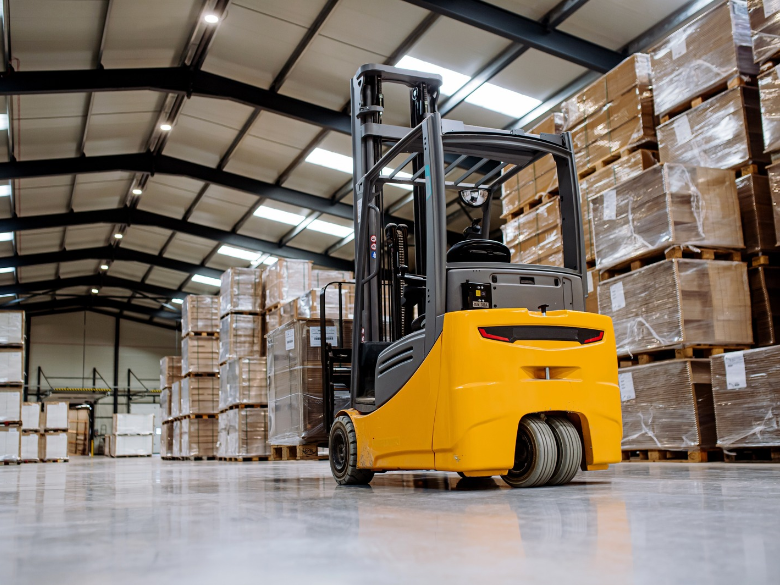
Let’s be honest, health and safety isn’t the most exciting part of being on site. But when you have forklifts, utes, and heavy machinery moving around workers, getting it right matters.
Vehicles do plenty of the hard work, but they also cause a lot of incidents that are easy to avoid. We’ve put together 10 simple ways to keep your drivers safe, protect your team, and keep your gear moving without a hitch.
1. Make sure drivers are trained, competent and have the right ticket
Only trained, qualified and competent operators should get behind the wheel. Proper training isn’t just about knowing operations, it shows workers how to handle heavy loads, control the vehicle, and stay safe when things get tricky.
2. Lock in a simple traffic plan
When people on foot share space with moving vehicles, things get risky fast. Mark clear walkways and vehicle lanes on your worksite to keep workers out of loading areas.
3. Stick to safe speeds
Driving too fast is one of the quickest ways to cause a rollover or hit something. Always adjust your speed for wet conditions, tight corners, and nearby workers on foot, not just the posted site speed limit.
4. Keep workers on foot separate
Physical barriers and exclusion zones are the best ways to protect people on foot. Make sure all workers and visitors scan in, complete a Site Induction, and put on high-vis gear before entering active work zones.
5. Keep the ground clean and clear
Uneven ground, potholes, rubbish, or wet patches throw off a vehicle’s balance. Clearing clutter and keeping pathways dry gives drivers a smooth, stable ride.
6. Buckle up every single time
It sounds basic, but seatbelts save lives. Vehicles can tip over unexpectedly. Protective cages only work if the driver is wearing a seatbelt during a rollover, so make the use of seatbelts a standard practice.
7. Do a quick Vehicle Checklist before starting
Before turning the key at the start of a shift, do a quick check. Look over tyres, brakes, horn, lights, hydraulics, and seatbelts. If anything looks wrong, tag it out and report it right away, don’t risk using faulty machinery.
8. Practice safe loading
Check the vehicle’s load capacity and never overload it. Keep loads balanced, tilt the mast back slightly before driving, and keep the forks low to the ground. Never let anyone stand or walk under a raised load.
9. Look where you’re going
A lot of vehicle collisions happen because the driver isn’t looking in the direction they’re moving. If a bulky load blocks the view ahead, reverse safely or get a spotter to guide you.
10. Park up properly at the end of the day
When the job is done, park on flat ground. Lower the forks or bucket all the way down, set the brake, turn off the engine, and take the key out so unauthorised people can’t use it.
Health and safety made simple
Keeping your site safe doesn’t need to be complicated or buried in paperwork. Using digital Vehicle Checklists and quick Risk Assessments on the HazardCo App makes it super easy for your team to stay on top of vehicle safety every day.
Got questions about setting up vehicle checks or updating your site rules? Log in to the HazardCo Hub or give our team a call today!