


Working on a HazardCo site? One tool, all corners covered – in your back pocket!


Staying Safe on Wet Construction Sites
Feb 22, 2026
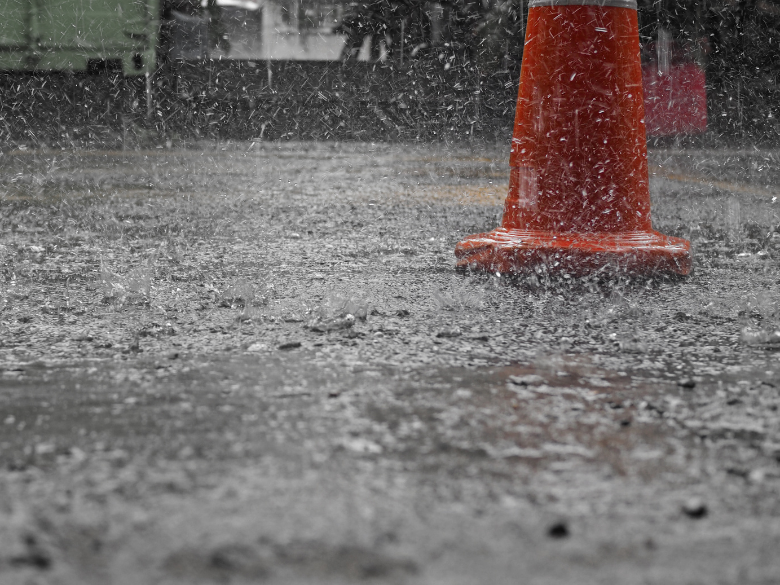
Wet weather has the potential to hit hard, with heavy rainfall, surface water and muddy ground all creating hazards for you and your workers. From slips and trips on saturated surfaces, to reduced grip on tools, scaffolding and ladders, wet conditions call for specific measures to ensure that your site is safe throughout.
Work doesn’t stop when the rain rolls in, so it’s important to know what to do to keep your workers safe on site and on the road.
Construction site checks and inspections in wet weather
When wet weather sets in it’s important to inspect your site before work begins. Identify and address all areas of standing water, mud and slippery surfaces on working platforms, scaffolding and access walkways. Check excavations and trenches for water ingress and instability before operatives work near or within them. To ensure your site is safe, complete a Site Risk Assessment using your HazardCo App
Driving to and from site in wet weather
Vehicle accidents don’t just happen on site, they happen on the roads too. Stress to your team that wet weather increases stopping distances and reduces grip, so they should allow extra travel time and reduce speed. Ensure all work vehicles are roadworthy before setting off, with tyres, wipers and lights in good working order, and that all tools and materials are properly secured before travelling. To ensure your vehicles are safe for the conditions, complete a Vehicle Checklist using your HazardCo App
Watch the weather
The last thing you need is for a downpour to catch you by surprise. Keep an eye on the forecast so your workers can prioritise tasks affected by deteriorating conditions, particularly work at height and groundworks, and ensure they have the right gear to do the job safely
The right PPE makes a difference on a wet construction site
Be vigilant when ensuring that workers are wearing proper PPE and suitable clothing when wet weather conditions are present.
- Safety helmets and hard hats should be worn at all times on site. Water-resistant headgear is particularly important during prolonged rainfall to maintain comfort and concentration.
- Safety glasses and goggles can be treated with anti-fog and water-repellent spray to prevent vision becoming obstructed, particularly when operating power tools or working near excavations.
- Gloves need to be carefully selected to ensure that workers maintain a good grip and range of movement when working with tools and equipment in wet conditions.
- Waterproof boots with non-slip, steel-toed soles should be worn at all times to prevent slipping on wet surfaces, mud and uneven ground throughout the working day.
Follow these tips to optimise your crew’s safety so you can enjoy a productive day on site while keeping your team safe whatever the weather. If you have any questions reach out to the HazardCo Team