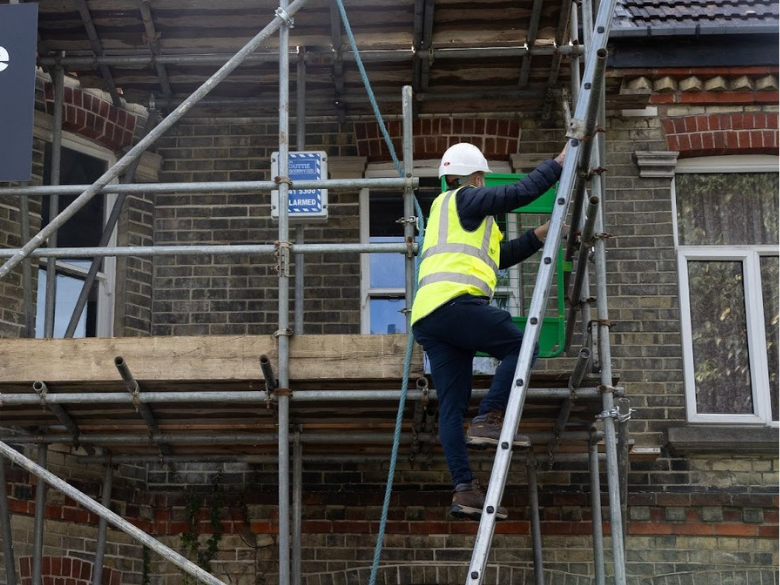
The reality is unsafe work at heights can have devastating consequences. Falls from heights are one of the leading causes of fatalities and injuries in the construction industry within the UK. Preventing falls should be actively managed so that people working at heights are kept safe.
Plan Ahead: Before you start a job, figure out what could go wrong
Identifying a task that could lead to a fall is the first step to keeping people safe. Before commencing, put in place the highest level of protection possible to prevent falls.
Consider how long the job will take: The duration of the job will impact how you select the level of protection. If the job is ongoing, the structures chosen need to remain stable throughout the job. You may need to reassess things like ladders and scaffolds throughout the job.
Use the hierarchy of controls to prevent falls
The hierarchy of controls outlines the various controls in order from the highest level of protection to the lowest level of protection. Select the safest, most appropriate control measure from the below hierarchy to prevent injuries or fatalities from falls from heights on your site.
Work on the ground or solid construction
If you can avoid working at height it should be your first option and is always the safest option. Some examples of eliminating the fall risk include using long-handled tools, relocating the task to the ground, and using extension poles for tools.
Use fall-prevention measures
If working from a height is necessary, you need to manage the risk of a fall. Fall prevention measures could be something like an elevated work platform, scaffolding, or guard railing.
Use a work positioning system
Check if a work positioning system like a travel restraint system can be used. A travel restraint system enables a person to work in a way that prevents the person from falling e.g. fixed-length lanyards and static line systems
Use a fall arrest system
Check if a fall arrest system like an industrial safety net, a catch platform or safety harness can be used. This system doesn’t prevent the fall but arrests the fall so you don’t come into contact with the ground e.g. shock absorber on lanyard or anchor point.
Ladder use
It may be appropriate to use a ladder. Ladders do not provide fall protection and as such should only be looked at as a last option when selecting the level of protection. Ladders should only be used for short duration works such as changing a light bulb or paint touch-ups.
Click here to view the HSE step by step guide
Need more information?
Seek professional assistance
Working at height can often be high risk and there are experts who make it their job to complete this work safely. It is often safer and more cost-effective to use height specialists even for shorter jobs.
Make sure everyone knows what to do
Give your workers all the info they need to stay safe.. Conduct toolbox talks and remind them the importance of procedures and completing a Risk Assessment and Method Statement. Encourage them to watch out for each other and speak up if something doesn’t seem right.
Consistency is key
It’s important you and your team are actively involved in ensuring any heights related work is carried out in the safest way possible.
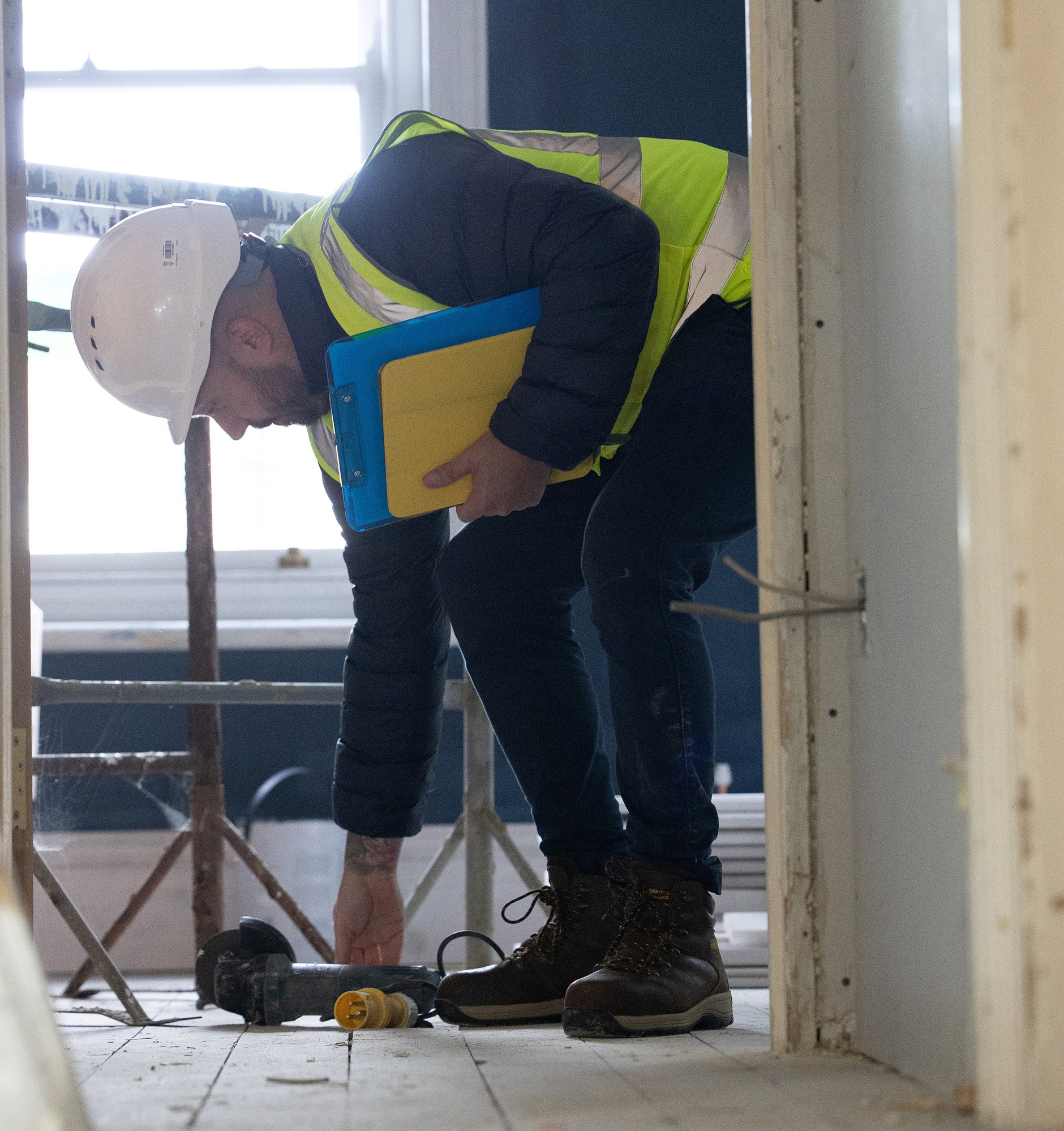
Picture this: you’re starting another day on site, and you’re heading out to your work area. You notice a ladder leaning against the wall, but one of the rungs looks cracked. A few metres away, someone’s left a pile of timber stacked a little too high, and the wind’s picking up. None of it looks like a disaster on its own, but these are the small things that can add up to a serious injury if no one speaks up.
That’s the reality of construction sites. They’re full of moving parts, changing conditions, and plenty of ways things can go wrong. A hazard is simply anything that could hurt you or someone else on-site. The trick is learning to spot them before they turn into incidents. Once you know what to look for, it becomes second nature, like checking your mirrors before pulling onto the road.
The dangers that hide in plain sight
Some hazards are obvious, like a roof edge without guardrails or a live wire dangling where it shouldn’t be. Others are subtle. Falls are the number one cause of serious injuries on building sites, and they don’t just happen from rooftops. A wobbly ladder, a scaffold missing a plank, or even a wet surface after overnight rain can quickly lead to a fall and serious injury.
Then there’s the danger of being struck by something. A tool dropped from above, a reversing vehicle in a blind spot, or a swinging load from a crane, these moments happen in an instant and can change lives forever. Electricity brings its own set of risks. Damaged cords, overloaded circuits, or working too close to power lines are all hazards that can cause serious harm in an instant.
And it’s not always about dramatic moments. Sometimes it’s the slow-burn hazards that do the most damage: breathing in dust day after day, being exposed to paint fumes, or dealing with asbestos in an old structure. They might not knock you down on the spot, but they can cause long-term health issues that no one wants to bring home.
How to get better at spotting hazards
So how do you get good at seeing hazards before they catch you out? It starts with building a habit. Each morning, take a few minutes to walk around the worksite. Look at what’s changed since yesterday. Is there new equipment? Has the weather caused damage? Are materials stacked differently? That quick scan can save you from nasty surprises later in the day.
Make it part of your day
Hazard spotting isn’t something you do once and tick off. It’s an all-day habit. At the start of your shift, scan the site. During the day, keep checking, especially after breaks or when conditions change. At the end of the day, tidy up, secure materials, and make sure barriers are still in place. That way, the next crew isn’t walking into danger before they’ve even started.
And when you do find something? Don’t wait. Stop what you’re doing, warn others, and report it. Even better, document it so there’s a record, because the last thing anyone needs is for the same hazard to crop up tomorrow.
It’s everyone’s job
Here’s the thing: safety isn’t just the job of the person with the clipboard. Everyone on-site can use their awareness and judgement to spot hazards. The people who make the biggest difference are the ones who keep asking “what if?”, who don’t rush past something that looks dodgy, and who aren’t afraid to speak up. Passing that mindset on to new workers is how you build a strong safety culture.
Where HazardCo fits in
Of course, knowing how to spot hazards is one side of the story. Keeping track of them and making sure they’re fixed is the other. That’s where HazardCo makes life easier. Instead of scribbling notes on scraps of paper or trying to remember everything until you see your supervisor, you can log hazards in the app as soon as you spot them using our Site Review feature in the HazardCo App. The system guides you through each step, so nothing falls through the cracks.
Site Supervisors see updates instantly, workers know what’s being done, and the whole process is clear and simple. No chasing paperwork, no confusion, just a guided way to manage hazards that gives everyone peace of mind.
Putting it into practice
Next time you’re on-site, take 10 minutes to really look around the area. What’s stacked where? What’s changed since yesterday? What could go wrong, and what could you do to make it safer? That small step is the start of a habit that keeps you and your crew safe.
And if you want a system that doesn’t just leave hazard spotting up to memory or luck, HazardCo’s got your back. With our guided approach, you’ll have everything you need to identify, report, and track hazards with confidence. Because at the end of the day, safety isn’t about ticking boxes, it’s about making sure everyone goes home safely at the end of the day.
Every year in September, people around the world mark Global Deaf Awareness Week (22–28 September 2025). It’s a chance to recognise the importance of communication, accessibility, and inclusion for the Deaf community. For those of us working in construction, it’s also the perfect reminder of how precious our hearing is, and how easily it can be damaged by the noise we’re exposed to every day.
Noise: The silent risk on-site
Power tools, heavy machinery, vehicles, and hammering – the soundtrack of a busy site is loud. And while it might just feel like “part of the job,” that constant exposure can take a serious toll on your hearing over time.
Noise-induced hearing loss (NIHL) happens when loud sounds damage the sensitive structures in your inner ear. Depending on the type and extent of damage, NIHL can be temporary or permanent. The good news? Unlike many other forms of hearing loss, NIHL is entirely preventable.
It’s also very common. Research shows that 12,000 people in the UK have hearing problems like deafness or tinnitus due to loud noises at work. People who work in noisy industries, like construction, agriculture, carpentry, mining, oil and gas, and the military, are especially at risk.
How loud is too loud?
You might be surprised at just how quickly noise becomes dangerous. Here are some benchmarks:
- 85 decibels (dB): About as loud as heavy traffic. Safe for around 8 hours.
- 100 dB: A chainsaw or jackhammer. Damage can occur after just 15 minutes.
- 110 dB+: A nail gun or rock concert. Even a few minutes without protection can cause permanent damage.
On a construction site, these levels are reached every day, sometimes without us even realising.
Symptoms of Noise-Induced Hearing Loss
Hearing loss doesn’t usually happen all at once. Symptoms can creep up slowly, which is why many people don’t notice until it’s too late. Some of the most common signs of NIHL include:
- A feeling of fullness or pressure in your ear.
- Inability to hear high-pitched sounds, like birds singing.
- Muffled or distorted speech, making conversations harder to follow.
- Tinnitus – ringing, buzzing, or roaring in the ears.
There are two main types of NIHL:
- Acoustic trauma: Instant hearing loss from one very loud, forceful sound (like a gunshot or firecracker). This damage is often permanent.
- Chronic NIHL: Gradual hearing loss from repeated exposure to loud sounds over time (like noisy worksites or even loud headphones). It can take weeks, months, or years before you notice the problem.
Beyond the job: The personal impact of hearing loss
Hearing loss doesn’t just affect you at work. It changes your whole life.
- Conversations become harder. Background noise makes it tough to follow what’s being said.
- Social situations can feel isolating. It’s easier to avoid gatherings than struggle to keep up.
- Confidence takes a hit. Many people with hearing loss feel self-conscious about asking others to repeat themselves.
- Relationships are impacted. Miscommunication and frustration can creep in with family and friends.
And the effects don’t stop there. Untreated NIHL has been linked to:
- Anxiety and depression.
- Fatigue and insomnia from straining to hear.
- High blood pressure, increased heart rate, and stress.
- Irritability and hyperacusis (heightened sensitivity to sound).
In short, it doesn’t just change what you can hear, it changes how you live, connect, and feel day to day.
Protecting your ears on-site
The good news is, hearing loss from noise exposure is 100% preventable. Here’s how:
- Wear the right protection: Use earplugs or earmuffs that are rated for the noise level you’re working in.
- Use quieter equipment when possible: Look for low-noise models or maintain tools well to reduce noise output.
- Create quiet zones: Step away from noisy work regularly to give your ears a break.
- Check the levels: Ask a competent person to come in and complete a detailed noise assessment.
- Check out our blog here for more ways to manage noise on-site
What to do if you’re concerned about your hearing
If you think you might already be experiencing signs of NIHL, don’t ignore it. Talk to your primary care physician or healthcare provider – they can refer you to an audiologist (hearing specialist) or otolaryngologist (ear, nose, and throat doctor) for further tests.
Specialists use a range of hearing assessments to diagnose NIHL and check if there are any other contributing factors. Getting tested early is important: even if hearing loss can’t be reversed, the right support and treatment can help you manage symptoms, protect the hearing you have left, and improve your quality of life.
Take action this September
This week, let’s not just raise awareness, let’s take action. Protect your hearing, look out for your team, and start conversations about noise on-site.
Because hearing isn’t just about safety at work. It’s about being able to connect, laugh, share stories, and enjoy life for years to come.
Got lone workers on your team? Here’s what you need to know
If someone on your team is working by themselves without other people around and without direct supervision, they’re likely considered a lone worker. Whether it’s a regular thing or just every now and then, it’s your job to make sure they’re safe and supported.
Who counts as a lone worker?
It’s not just remote bush jobs. Lone workers might be team members who:
- Travel solo for work
- Cover big distances
- Work in a remote or isolated spot
- Work by themselves in a separate area on a larger site
- Do night shifts or work odd hours
If this sounds like anyone on your team, there are a few key things you need to think about:
Lone Working Laws in the UK
While employing lone workers is permitted under UK legislation, employers retain a legal duty of care towards these individuals. Current regulations require that you take all steps that are ‘reasonably practicable’ to guarantee workplace safety for your staff. As an employer, you must consider:
- Determine which employees work alone.
- Evaluate the risks and dangers they encounter (perform a risk assessment).
- Implement protective measures for these workers to minimize or eliminate the risks they face.
- Regularly monitor and update your protective measures.
Keep security front of mind
Lone workers may face more risks, both to their own safety and the equipment or materials they’re using. You need to make sure they’re prepared and protected.Vulnerable workers like apprentices and inexperienced workers shouldn’t be working alone.
Don’t let them feel isolated
Working solo can be lonely. No banter. No team catch-ups. It takes a toll.
Stay connected with regular check-ins like phone calls, group chats, or video calls. It doesn’t need to be fancy, just make it consistent. A quick “How’s your day going?” can go a long way.
Don’t leave them out of the loop
Just because someone’s working away from the team doesn’t mean they should miss out on training, updates, or important info. Keep the comms flowing so everyone’s in the know – no matter where they are.
Set them up with the right equipment
Make sure lone workers have the tools and tech to get the job done safely and stay connected. That includes:
- A phone or two-way radio
- GPS or location tracking if they’re in an isolated area
- The HazardCo App – for easy hazard reporting and support
- PPE that suits the job
- A fully stocked first aid kit (and training to use it!)
- A fire extinguisher that’s been checked in the last 12 months
Try a buddy system
Simple, but it works. Pair your lone workers with a buddy – someone they can check in with daily. Share location, talk through the day’s work, and have a bit of a yarn. It keeps morale up and helps you respond faster if something’s not right.
Have a plan for emergencies
Create straightforward emergency plans that outline actions to take during incidents such as accidents, health issues, or other urgent situations. These plans must be easily available to lone working staff and updated on a regular basis..
Make sure your team knows what the plan is and how it works. Test it out, and keep emergency contact info up to date.
At the end of the day, look out for your lone workers the same way you would if they were right there beside you. A bit of planning and a good dose of communication make a big difference.
Need help?
If you’re a HazardCo member, the Advisory Team is just a tap away in the app. We’re here to keep things simple and help you keep your team safe, wherever they’re working.
Want an easy way to make your workplace safer without spending a penny? Here’s a simple trick that takes just 30 minutes and can help prevent incidents on the job.
Step 1: Spot the Hazards
During your next Toolbox talk, get everyone to list their top workplace hazards—the things that could go wrong and cause injuries. This could be anything from slippery floors to dodgy equipment or working at heights.
Once everyone’s shared their list, use the HazardCo Toolbox Meeting feature to record and combine the results into a master list of the biggest hazards in your workplace. This makes sure nothing important gets missed and gives your team a clear safety focus.
Step 2: Take Action
Now that you know the biggest risks, it’s time to do something about them. This list can help your workplace:
- Write better Risk Assessment, Method Statement (RAMS) – making sure all work activities are properly assessed and controlled.
- Update safety policies – making sure they actually match the hazards people face.
- Make safety part of team meetings – keeping everyone aware of what to watch out for.
- Create better training – so new and current workers know how to stay safe.
By using HazardCo’s Toolbox Meeting feature, all of this is tracked and recorded, so your team has solid proof of what’s been done to make work safer.
Why This Matters
Incidents at work can be serious, but most of them can be prevented. This simple 30-minute exercise gets everyone involved, so safety isn’t just a rule—it’s part of the way your team works. Plus, with HazardCo’s easy reporting tools, you can keep improving and stay ahead of risks before they become real problems.
So next time you’re in a toolbox talk, speak up—your input could stop someone from getting hurt.
If you have any questions, reach out to the HazardCo team. We are always happy to help.
Summer is here – longer days, sunshine, and the outdoors sound like the perfect conditions to get all that work done but with summer comes a new set of risks you’ve got to stay on top of. Have you thought about what you are doing to protect your team from the effects of the summer sun and heat?
Stay cool, seek shade and stay safe to minimise the risks of sunburn and skin cancer, but we also need to be aware of heat exhaustion, dehydration and fatigue.
Know the signs
Heat exhaustion can sneak up on you when you’ve been sweating a lot and not replacing your fluids. If it’s not treated early, it can lead to heat stroke, which is much more serious.
Heat stroke occurs when the body can’t keep itself cool causing a high body temperature of 39.4 degrees or more.
Heat rash and heat cramps are the early stages of heat exhaustion. Knowing the signs and what to do will help prevent the onset of heat exhaustion or worse, heat stroke.
Check out this resource that gives some handy tips on symptoms and treatment options for common heat-related stress.
If you’ve got a health condition that could be made worse by extreme heat, have a quiet word with your manager or supervisor so they can help you manage it.
Simple ways to stay safe this summer
- Plan your day: The sun is strongest between 11am and 3pm. Where you can, shift the heavy or outdoor work to the cooler times of the day, and take more breaks during the hottest part.
- Keep your fluids up: Don’t wait until you’re thirsty. Keep sipping water throughout the day to stay hydrated.
- Cover up: Even on cloudy days, UV rays can get through. Wear sunblock, a wide-brim hat, and lightweight long-sleeve clothing to protect your skin.
- Take it easy: Pace yourself and share the load. Rotate tasks with your crew so no one is stuck doing the hard stuff all day in the sun.
- Listen to your body: Feeling tired, dizzy or sick? Take a break in the shade and grab some water. Don’t push through — fatigue makes it harder to think straight and that’s when accidents happen.
Don’t forget to talk about it
Make sun safety part of your Toolbox Talks during summer, it’s an easy way to remind the team about the risks and what to do about them. You can record your talk straight into the HazardCo App.
Got questions or want to talk about how heat could impact your work? Give our Advisory Team a call on 020 4571 3920 (option 3), we’re here to help.
Get your team scanning in and out – it’s a no-brainer!
We get it, health and safety chats aren’t always the most exciting. But they are the most important. When everyone on-site takes part, it makes a big difference. And the easiest place to start? Get your team and subbies scanning in and out of site each day.
Your HazardCo QR code (on your Hazard Board) makes it quick and easy and the benefits stack up:
- You’ll always know who’s on-site – even if you’re not. The info is saved to your HazardCo Hub, so you can check back anytime.
- Productivity boost – tracking trades on-site helps with timesheets and planning.
- First-time users complete a site induction – so they’re across emergency contacts and safety rules from the get-go.
- Access to your Construction Phase Plan (CPP) – key hazards, emergency plans, and control measures all in one place.
- Communication – Workers can see site notices straight in the app, so it’s easy to keep everyone in the loop.
Scanning in each day is also a good nudge to stay switched on about safety. The more we talk about it, the more we act on it, spotting hazards and taking care of each other.
It also helps you:
- Share the safety responsibility across the team.
- Look after lone workers by tracking check-ins.
- Keep a clear record in case there’s an incident or investigation.
Need help getting the team onboard? Try this:
- Use your next Toolbox Talk / Safety Briefing to show everyone how to scan in with the QR code.
- Offer your team a Friday shout if everyone scans in all week.
- Make it part of your contracts. and set that expectation from the start
There’s no downside, scanning in is fast, easy, and helps everyone go home safe. Got questions? Get in touch with the HazardCo team. We’re here to help.
Respiratory Protective Equipment (RPE) is a critical layer of defence for workers exposed to airborne hazards like dust, fumes, vapours, But not all RPE offers equal protection, and even the best equipment won’t keep you safe if it doesn’t fit properly, isn’t suited to the task and things it’s filtering, or isn’t well maintained.
Here’s what you need to know about getting RPE right, from upfront fit testing to choosing the right cartridges, to regular check-ups and health monitoring.
Step 1: Get Fit-Tested – One Size Doesn’t Fit All
Before a worker ever steps into a hazardous area, they need to be fit tested for the right RPE. Why? Because no two faces are the same. RPE comes in different sizes typically ranging from Small to Extra Large, and a poor fit can mean poor protection, even if the mask looks like it fits.
Key considerations:
- Fit testing is essential for “negative pressure” RPE like half-face or full-face respirators.
- Fit testing ensures that the mask seals properly and provides effective protection.
- Facial hair, even stubble, will destroy that seal. If workers choose to keep facial hair, consider positive pressure powered respirators that don’t rely on a tight face fit. But be aware they carry more cost and size.
Fit testing must be:
- Conducted before first use of RPE.
- A fit test should be repeated whenever there is a change to the RPE type, size, model or material or whenever there is a change to the circumstances of the wearer that could alter the fit of the RPE; for example:
- Weight loss or gain;
- Substantial dental work;
- Facial changes (scars, moles, effects of ageing etc)
- Facial piercings;
- Introduction or change in other head-worn personal protective equipment (PPE).
- This is done with qualitative (using taste or smell) and quantitative (using specialised equipment), and is performed by a competent person trained and certified in how to do it. Competence can be demonstrated by accreditation under the Fit2Fit RPE Fit Test Providers Accreditation Scheme
Fit testing is also a great opportunity to train workers on how to wear and check their masks properly, which brings us to the next step.
Step 2: Choose the Right RPE for the Risk
Not all filters protect against all hazards. It’s essential to choose RPE that’s targeted to the type of contaminant and the task at hand.
Types of RPE include:
- Disposable respirators -In reality you will struggle to convince WorkSafe that this is ok, as even disposable masks have to be fit tested according to the standards, so you are far better off skipping these for better protection.
- Reusable half- or full-face respirators (negative pressure systems) – used with interchangeable cartridges that target specific hazards.
- Powered Air Purifying Respirators (PAPRs – Positive pressure systems) – provide more filtered air than you can breathe to keep any contaminants away from your breathing zone, these can be more comfortable for long term wear as they keep fresh air moving over you.
- Supplied air respirators – used only in high-risk environments where there isn’t oxygen in the atmosphere, they can be “supplied” which uses a compressed air line to the set or a “self contained” system like you see fire fighters use.
To get this right, consider:
- What is the form of the contaminant? Dust, gas, mist, or vapour? Each requires a different filter or cartridge type.
- What do the Safety Data Sheets say? (SDS) Can you get an SDS for the substances you’re working with? And what do they recommend?
- What level of activity is involved? Light vs heavy work, short vs extended durations, confined spaces – all affect your choice of gear.
- Is the RPE compatible with other PPE (like safety glasses, helmets, or earmuffs)? Full face respirators are far better than half face ones as they also protect your eyes from the dust and chemicals.
- What level of comfort is needed? If RPE is uncomfortable, workers are less likely to wear it correctly or consistently.
Important: Choosing the wrong size or type of RPE will give the illusion of safety, while leaving workers dangerously exposed. There is a world of difference between “looks safe” and “is safe”
Step 3: Maintain the Protection Over Time
Once the right gear is chosen and correctly fitted, the work doesn’t stop. RPE needs to be maintained, checked, and re-evaluated regularly.
What ongoing checks are needed?
Daily visual inspections
Before each use, workers should inspect their gear for cracks, tears, wear, or contamination. Damaged RPE should not be used.
Filter and cartridge replacement
There’s no one-size-fits-all rule for changing filters – check with your manufacturer. Never rely on smell or taste to know if filters are still working – by the time you smell something, it is already damaging you.
Regular fit testing
Our faces change over time. Even subtle shifts in weight or facial structure can impact the mask’s seal. Fit2fit recommends that fit testing should be conducted at least every 2 years.
Proper cleaning and storage
Dirty or improperly stored RPE may not perform when needed. Train workers on cleaning routines and ensure hygienic storage.
Don’t Skip Health Monitoring
Even with the best gear, health monitoring plays an essential role in a full respiratory protection programme. It’s how you check whether control measures (like RPE) are really working, and catch signs of harm early.
Under The Control of Substances Hazardous to Health Regulations 2002 , you’re required to monitor workers’ health if they’re exposed to substances that pose a serious health risk.
Health surveilance can include:
- Initial screening questionnaire to identify potential health concerns.
- Lung function tests
- Regular checks if there’s known long-term exposure to hazardous substances.
- Investigations if symptoms or health concerns arise.
Final Thoughts: Protecting People, Not Just Ticking Boxes
RPE isn’t just a piece of kit, it’s a commitment to keeping people safe. By following these three steps:
- Upfront fit testing
- Choosing the right RPE and cartridges for the job
- Ongoing maintenance and health checks
You’re doing more than following regulations. You’re creating a culture where safety is personal, proactive, and properly managed.
The right mask, worn the right way, backed by the right training and monitoring – that’s how you keep your team safe.
COSHH is a key regulation in the UK that helps protect workers and the environment from harmful substances. Managing these substances properly on-site is essential for everyone’s safety.
What are hazardous substances?
Hazardous substances can harm people or the environment. These include:
- Chemicals: Solvents, pesticides, and cleaning agents.
- Biological agents: Bacteria, viruses, and fungi that cause disease.
- Dusts: Wood dust, silica, and general dusts like gypsum.
- Fumes and vapors: From welding or chemical reactions.
Understanding what substances are present in your workplace is crucial for ensuring safety. If you use hazardous substances at work, you must store, use, transport, and dispose of them safely to reduce risks.
What is a hazardous substances register?
A hazardous substances register is a list of all dangerous substances (and hazardous waste) used, handled, or stored at your sites. It helps you:
- Track substances on-site.
- Follow safety measures.
- Know what to do in an emergency.
Keeping a COSHH register
While a COSHH register isn’t legally required, it’s a helpful tool. It’s not the same as a COSHH assessment (more on this below) but lists the substances you’ve assessed, including:
- The substance’s name.
- A current safety data sheet (SDS), which gives details on handling, storage, and emergencies.
- Where it’s stored and any specific storage requirements.
Review your register regularly to keep it accurate and up to date.
How to create a COSHH register
HazardCo members can use the Hazardous Substances Register template in the HazardCo Hub to make this process simple.
What is a Safety Data Sheet (SDS)?
An SDS provides important details about hazardous substances, such as:
- Product name, ingredients, and properties.
- Manufacturer or importer details.
- Health risks and safe handling instructions.
- Emergency response measures.
It’s the business owner’s responsibility to keep SDSs updated and ensure workers can access them.
COSHH assessments
COSHH assessments are legally required for any hazardous substances. These assessments evaluate risks and outline control measures. Here’s how to do one:
- Identify hazards: Know which substances are hazardous and how they can affect health.
- Evaluate risks: Check exposure levels and potential health effects.
- Implement controls: Use measures like PPE, ventilation, or alternative substances to reduce exposure.
- Monitor and review: Regularly update the assessment and controls.
Need help?
If you need support with your hazardous substances register or want more information, contact the friendly HazardCo team – we’re here to help!
Lithium batteries are common in everyday life and on the worksite, their lightweight, long life, interchangeability and quick charge benefits mean that they are now used in everything from laptops to power tools to EVs. But did you know that they pose a significant risk and need to be a part of your health and safety plan?
What’s the risk?
Lithium batteries of all sizes have the potential to overheat and catch fire. The fire is hotter, harder to put out and the smoke from these fires is incredibly toxic. Lithium batteries generally overheat if they get wet, damaged or are used with incorrect charging equipment.
Damaged batteries can explode at any time giving off flames that burn anywhere between 500 and 1000 degrees celsius. These fires are very difficult to extinguish as both water and CO2 will only suppress the fire, not extinguish it. Even if the fire has been suppressed it can still ignite again if the battery still contains energy to burn. Lithium batteries are also prone to thermal runaway, which is where one small fault can spread quickly through the battery causing a rapid increase in temperature and potential explosion.
Because of this, lithium batteries need to be properly cared for according to the manufacturer’s instructions to minimise the risk, aside from that, you need a plan in place in case of a fire.
Hot tip: The bigger the battery the bigger the risk of fire and explosion because of the increase in stored energy being released, think energy in = energy out almost instantly so take extra care with larger battery packs – like the ones in your hand held power tools.
Ways to minimise the risk
- Storage: Keep lithium batteries away from spaces where a fire could ignite other things and spread easily. Also, keep them away from extreme temperatures and moisture.
- Charging:
- Always use the correct charger for the battery and do not over charge. Incompatible chargers lead to overcharging and overheating increasing the risk of fire.
- Do not leave batteries charging overnight or unattended. Noise and smoke are early warning signs.
- Consider using a smart charger that monitors battery status and can disconnect power if there is a fault.
- Remote disconnection: Provide easily accessible means for remote disconnection of the battery, think about if you would need to move past it to switch it off at the source if it went up.
- Enhanced fire safety measures: Put in place fire-resistant measures near charging sites. For example; Smoke alarms and fire extinguishers (Class D or lithium fire blankets). Wherever possible charge in a cool dry place that lessens the chance of a fire getting into a structure.
- Monitor: Always check equipment for damage during and after use. Damage could include signs of being dropped, crushed or punctured.
- Emergency preparedness & PPE: Develop emergency response plans specific to lithium battery fires, including clear evacuation instructions. Provide clear training on the dangers, insulated tools and appropriate personal protective equipment (PPE) such as insulated gloves for employees involved in any equipment/battery maintenance, or better yet, give it to a professional to get it checked.
Safe lithium battery disposal
Never dispose of Lithium batteries in general rubbish as it can result in a fire in your bin or on the way to a transfer station, creating a risk to those transporting them. The manufacturer should be able to advise safe disposal or check out your local battery recycling centre.
Lithium batteries are going to continue playing a crucial role in our workplaces and lifestyles, so it’s necessary to recognize the potential hazards associated with them. By having awareness of these risks and good practices, we can work together to reduce the potential dangers, resulting in safer working environments where Lithium batteries are used.
If you have any questions, get in touch with the Hazardco team today!
Looking for something in particular?
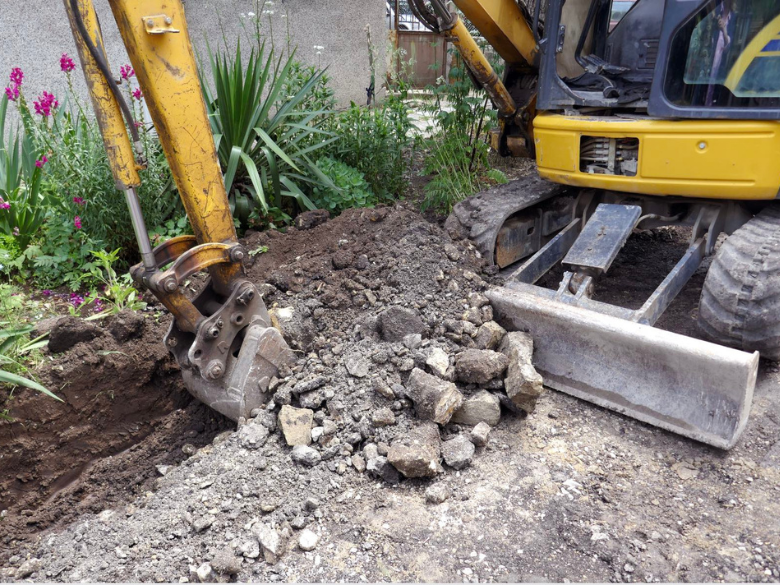
Moving or removing earth or other materials with tools or equipment is generally classed as excavation work. Excavations are used in a number of different situations, such as during the constr...
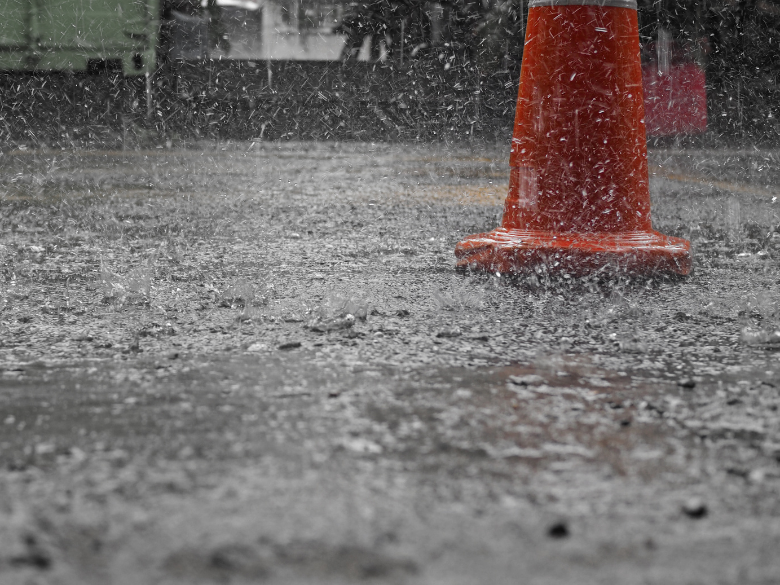
Wet weather has the potential to hit hard, with heavy rainfall, surface water and muddy ground all creating hazards for you and your workers. From slips and trips on saturated surfaces, to red...
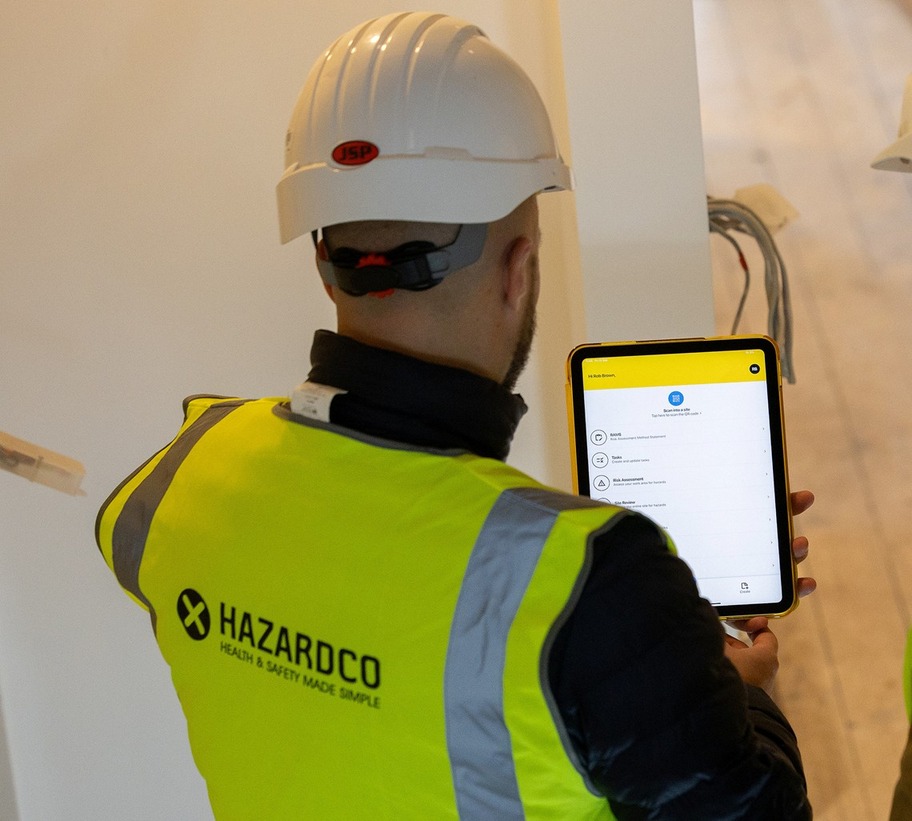
The holidays are over, the tools are coming back out, and it’s time to ease into the New Year. Reopening your site is just as important as shutting it down properly and January is the perfect ...

The Health and Safety Executive (HSE) recovered £4.5 million through its Fee for Intervention (FFI) scheme in 2024/25, charging 5,143 businesses for health and safety breaches. With an average...
The Christmas break is nearly here. You're probably counting down the days until you can relax and spend some proper time with the family and friends.
But before you lock up for the holiday...

A recent prosecution has highlighted how, even when a death is not caused directly by Health & Safety failings, but - neglect of Health & Safety can still land a site manager in court....
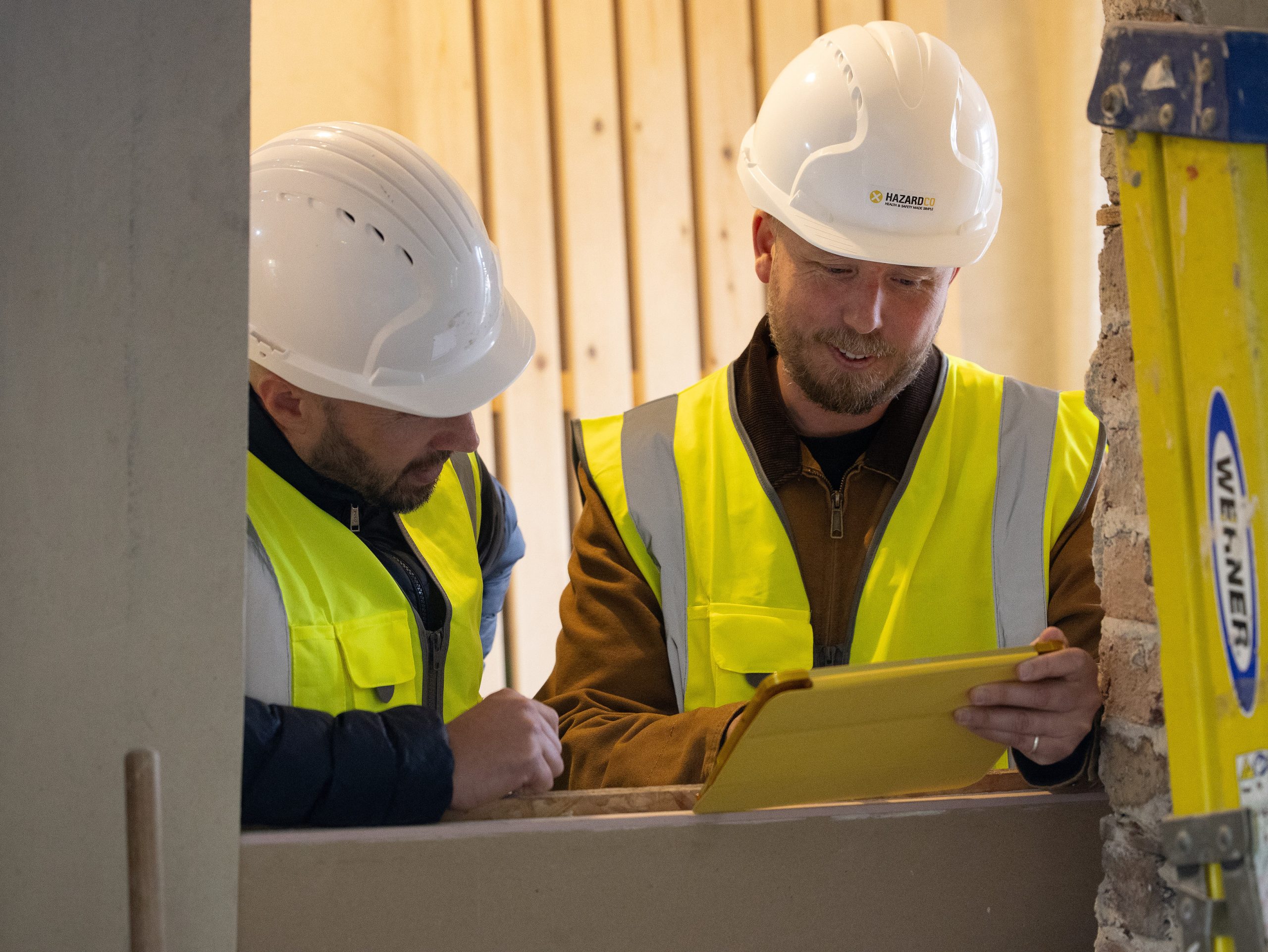
Good health and safety isn’t about stopping work — it’s about having simple, clear processes so everyone understands how to get the job done safely.
When you plan the work and manage the ri...
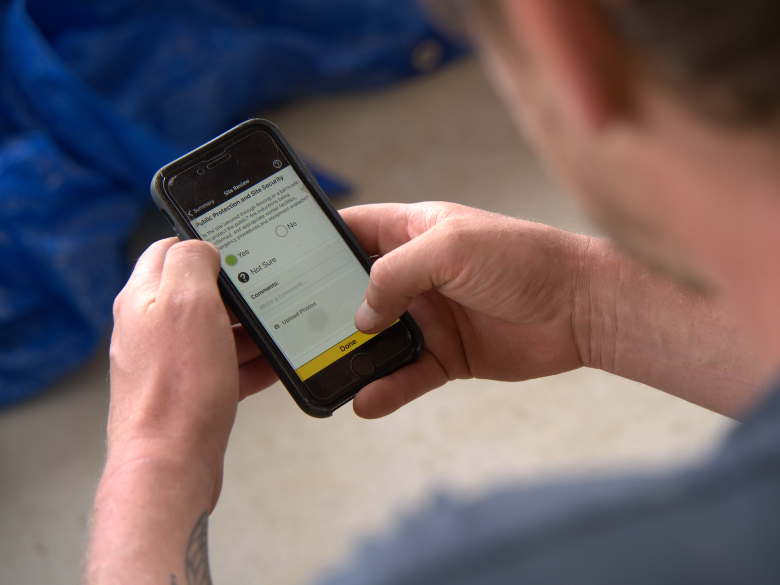
It’s that time of year again - the calendar’s full, the jobs are piling up, and everyone’s looking forward to a well-earned break. You’re pushing to get the last few projects over the line, fi...
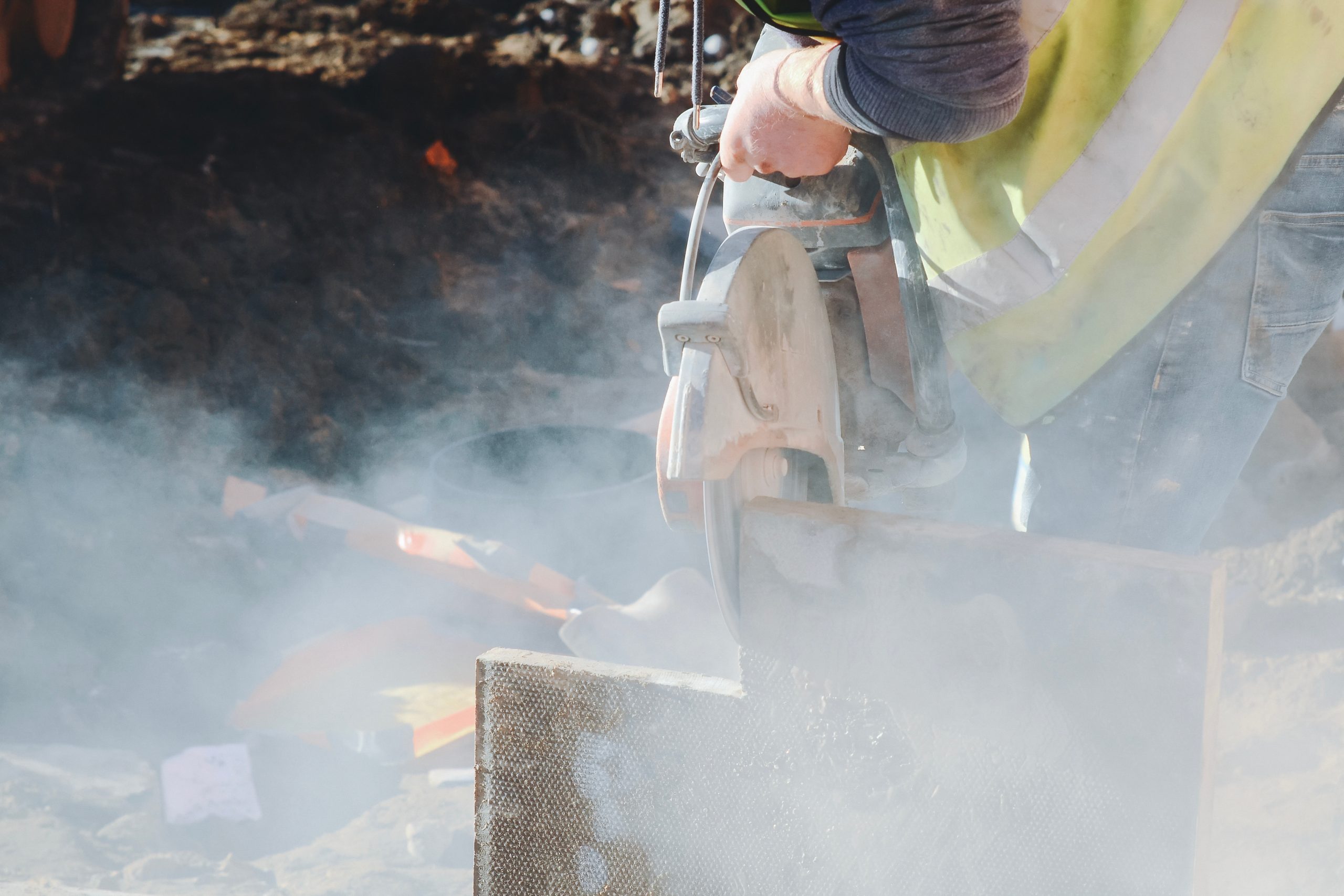
The hidden danger on-site: Silica dust
Construction sites come with plenty of obvious hazards but some of the most dangerous ones are the ones you can’t see. One of those hidden risks is res...
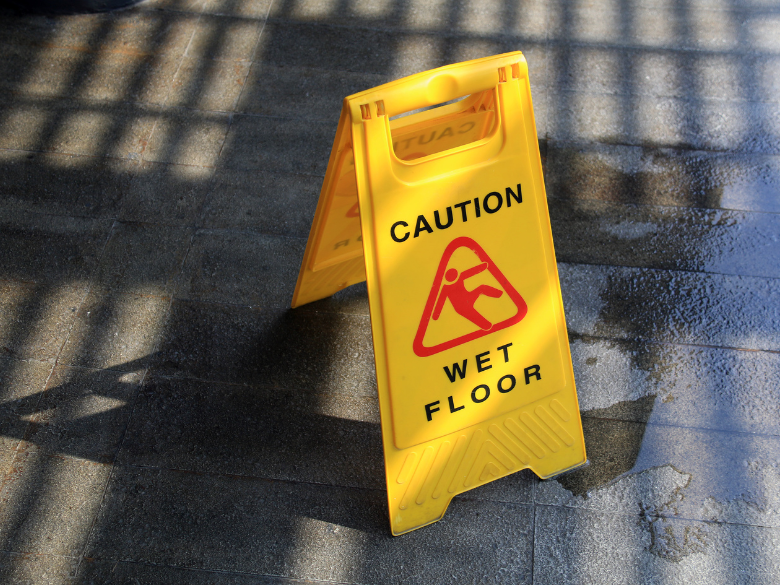
Slips, trips, and falls, don’t let them take you down! Evaluating safety in your workplace is key!
Slips and trips might seem harmless, but on-site they’re one of the biggest causes of inju...
The reality is unsafe work at heights can have devastating consequences. Falls from heights are one of the leading causes of fatalities and injuries in the construction industry within the UK....
Picture this: you’re starting another day on site, and you’re heading out to your work area. You notice a ladder leaning against the wall, but one of the rungs looks cracked. A few metres away...