Nail guns are common on construction sites. Like any power tool, they can cause serious injuries if not used properly.
Most injuries happen when the gun discharges while being moved or repositioned, when nails hit knots or other nails and ricochet, or when someone is standing in the line of fire. The risk also increases a lot when the gun is set to bump fire mode.
Choosing the right type of trigger makes a big difference. A full sequential trigger (single shot) is the safest option. It lowers the risk of accidental discharge and double-firing. Contact trigger (bump fire or multi-shot) has a much higher injury risk. Most nail gun injuries happen when the bump fire is used.
Sometimes bump fire is needed for high-volume, repetitive work to reduce strain injuries. Only experienced, skilled workers should use it, and extra controls should be put in place to manage the added risk.
Practical tips to reduce risk
Here are simple steps you can take on-site:
- Use full sequential trigger nail guns wherever possible
- When working at height, use a stable platform. Nail guns are designed for two hands and recoil when fired
- Don’t hold the nail gun above shoulder height
- Keep other workers clear of the work area
- Check timber for cracks, splits, or knots before firing
- Carry out pre-start checks. Make sure the actuation mechanism works properly, and the gun is in good condition
- Keep nail guns maintained and have faults repaired by a competent person. Under PUWER (Provision and Use of Work Equipment Regulations 1998), employers are required to ensure work equipment is maintained in good working order — this includes nail guns
- If a gun is double-firing, sticking, or not working properly, remove it from service immediately, label it clearly, and arrange for repair by a competent person. Do not continue to use a defective tool
- Provide the right PPE, such as eye protection, hearing protection, and any other PPE recommended by manufacturers
Training and supervision
Make sure your team knows how to use nail guns safely:
- Provide proper training and instructions
- Develop and follow Safe Operating Procedures
- Follow the manufacturer’s manual, including what to do if the gun jams or malfunctions
- Only trained and competent carpenters should use nail guns
- Apprentices must be supervised
Nail guns are fast and efficient, but they’re not forgiving. Use the safest trigger, keep people clear, look after your gear, and don’t let untrained workers loose with one. That’s what prevents serious injuries.
Further Guidance
For more detailed information, the HSE has specific guidance on the safe use of nail guns, covering trigger types, incident causes, and eye protection requirements: HSE — Nail Guns
If you have any questions, please reach out to the HazardCo Team
Moving or removing earth or other materials with tools or equipment is generally classed as excavation work. Excavations are used in a number of different situations, such as during the construction of buildings, building retaining walls, and installing underground utilities. It is important that when carrying out excavations that underground utilities are always identified first.
Common types of excavation
Here are a few types of excavation you’ll often come across in residential construction:
Cut & Fill
Also known as stripping excavation, this method is used to clear and level large areas. It involves removing unstable material like rock, sand, or topsoil so you’ve got a safe surface to work on.
Pile Holes
These are usually dug with a backhoe, drill, or hydro excavator. Always cover and barricade pile holes as soon as possible, and make sure only those involved in the work are nearby. Keep an eye on any water buildup and pump it out if needed.
Trial Holes
This is when you dig small holes to locate underground services before starting bigger works. Just make sure those holes are covered or barricaded when not in use — it’s an easy way to prevent someone from getting hurt.
Trenching
Trenching is used to install or replace underground utilities, build retaining walls, or check what’s under the surface. Trenches are long, narrow, and deeper than they are wide — which means they can be risky. The safest method depends on the depth, soil type, and what’s around it, so always take care and plan it out properly.
Large-scale excavations often need heavy machinery, so make sure you’ve got good traffic management controls in place too.
Managing the risk
Excavation work is classed as high risk under CDM 2015, no matter how shallow or deep. If there’s any chance of collapse, you need to complete a thorough Risk Assessment and Method Statement.
It’s also a good idea to check out the HSE guide to excavations, they outline what’s expected on-site.
Covering or bridging
When you’re covering holes or bridging shallow trenches, make sure whatever you’re using is strong enough to handle the weight, things like heavy-duty plywood or steel plates designed for that job.
- Fully cover holes and make sure the covers can’t move.
- Keep walkways clear of slip or trip hazards.
- Watch for water hazards after rain, they can cause sidewall collapse and even drowning risks.
Barriers and fencing
Keeping your site secure is a must. Think about how long the excavation will be open, if it’s left overnight, use plating, fencing, or backfill to make it safe.
Things like cones, plastic mesh, or lightweight hurdles aren’t enough to protect people from excavation risks. Safety fencing is the way to go, especially for long-term or unattended worksites.
Know your competency level
Under CDM 2015, you must be competent for the work you’re doing. For excavation work, this means having the right skills, knowledge, training, and experience to carry out the task safely.
- All excavation work requires proper planning, risk assessment, and appropriate controls, regardless of depth.
- More complex excavations such as those near structures, in unstable ground, or in confined spaces will need additional expertise. You may need input from a temporary works designer, structural engineer, or other specialists.
- The level of competency required depends on the specific risks involved, not just the depth of the excavation.
Make sure you understand what’s required before starting any excavation work. If in doubt, get advice from a competent person.
Need a hand?
If you ever need a hand getting started or want more info, get in touch with the friendly HazardCo team, we’re always here to help keep you and your crew safe.
Wet weather has the potential to hit hard, with heavy rainfall, surface water and muddy ground all creating hazards for you and your workers. From slips and trips on saturated surfaces, to reduced grip on tools, scaffolding and ladders, wet conditions call for specific measures to ensure that your site is safe throughout.
Work doesn’t stop when the rain rolls in, so it’s important to know what to do to keep your workers safe on site and on the road.
Construction site checks and inspections in wet weather
When wet weather sets in it’s important to inspect your site before work begins. Identify and address all areas of standing water, mud and slippery surfaces on working platforms, scaffolding and access walkways. Check excavations and trenches for water ingress and instability before operatives work near or within them. To ensure your site is safe, complete a Site Risk Assessment using your HazardCo App
Driving to and from site in wet weather
Vehicle accidents don’t just happen on site, they happen on the roads too. Stress to your team that wet weather increases stopping distances and reduces grip, so they should allow extra travel time and reduce speed. Ensure all work vehicles are roadworthy before setting off, with tyres, wipers and lights in good working order, and that all tools and materials are properly secured before travelling. To ensure your vehicles are safe for the conditions, complete a Vehicle Checklist using your HazardCo App
Watch the weather
The last thing you need is for a downpour to catch you by surprise. Keep an eye on the forecast so your workers can prioritise tasks affected by deteriorating conditions, particularly work at height and groundworks, and ensure they have the right gear to do the job safely
The right PPE makes a difference on a wet construction site
Be vigilant when ensuring that workers are wearing proper PPE and suitable clothing when wet weather conditions are present.
- Safety helmets and hard hats should be worn at all times on site. Water-resistant headgear is particularly important during prolonged rainfall to maintain comfort and concentration.
- Safety glasses and goggles can be treated with anti-fog and water-repellent spray to prevent vision becoming obstructed, particularly when operating power tools or working near excavations.
- Gloves need to be carefully selected to ensure that workers maintain a good grip and range of movement when working with tools and equipment in wet conditions.
- Waterproof boots with non-slip, steel-toed soles should be worn at all times to prevent slipping on wet surfaces, mud and uneven ground throughout the working day.
Follow these tips to optimise your crew’s safety so you can enjoy a productive day on site while keeping your team safe whatever the weather. If you have any questions reach out to the HazardCo Team
Looking for something in particular?
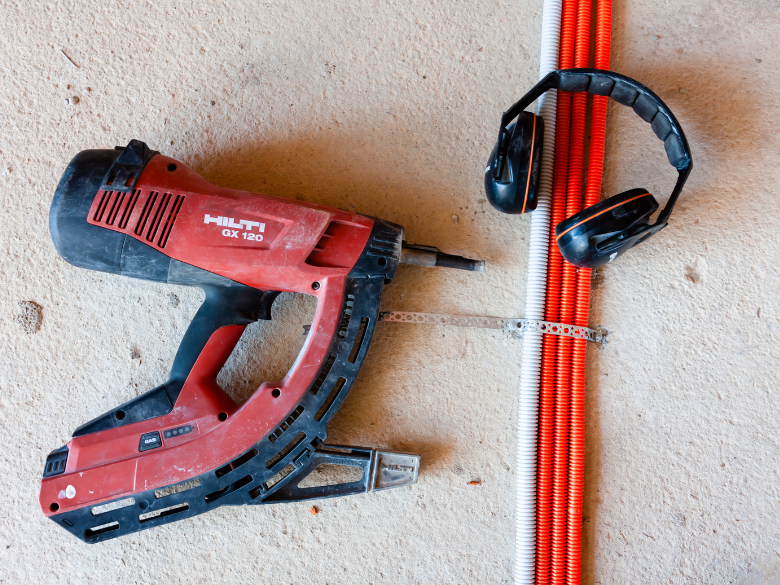
Nail guns are common on construction sites. Like any power tool, they can cause serious injuries if not used properly.
Most injuries happen when the gun discharges while being moved or repo...
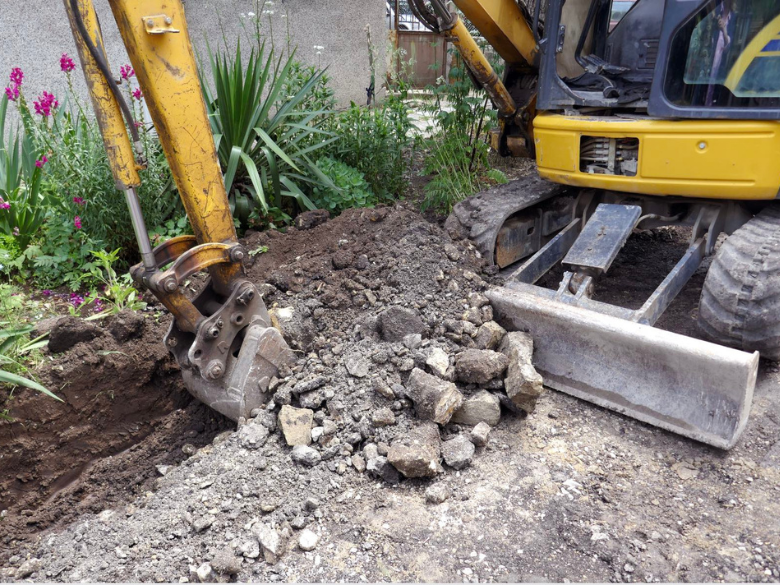
Moving or removing earth or other materials with tools or equipment is generally classed as excavation work. Excavations are used in a number of different situations, such as during the constr...
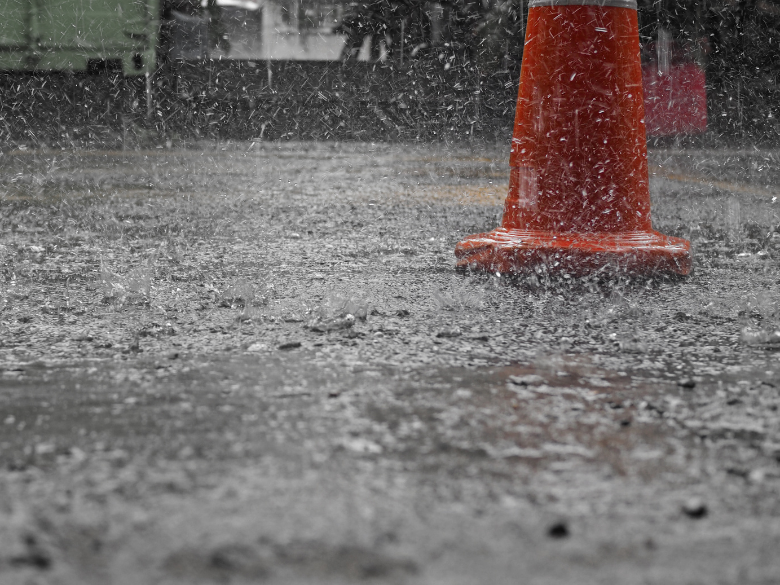
Wet weather has the potential to hit hard, with heavy rainfall, surface water and muddy ground all creating hazards for you and your workers. From slips and trips on saturated surfaces, to red...