


Working on a HazardCo site? One tool, all corners covered – in your back pocket!


Kick off the new Year Safely On-site
Jan 11, 2026
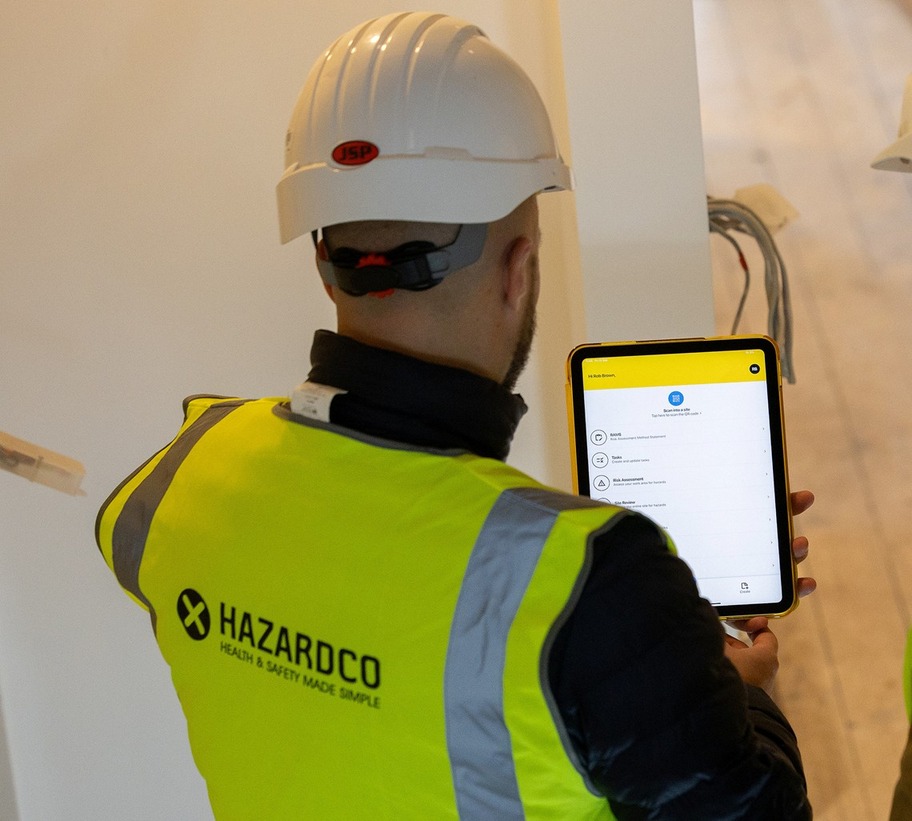
The holidays are over, the tools are coming back out, and it’s time to ease into the New Year. Reopening your site is just as important as shutting it down properly and January is the perfect time to reset, refocus, and set the tone for the months ahead.
After a couple of weeks off, it’s normal for the team to feel a bit sluggish. So on day one, take it slow and walk through a few key steps to get everyone back on track safely.
Start with a kick-off Toolbox Talk
Before anyone jumps into work, hold a Toolbox talk. Run through your RAMS or site safety plan, review emergency procedures, and make sure everyone is fit for work and mentally ready after the break.
Do a site review for new hazards
A lot can change while you’re away, especially in winter. Walk the site and look for new hazards such as ice, water pooling, fallen debris, damaged fencing, or anything affected by strong winds or frost.
Inspect structures, scaffolding, and excavations
Winter weather can take a toll. Check scaffolds, temporary structures, excavations, and any areas that might have weakened or shifted due to rain, snow, or freezing conditions.
Check tools, equipment, and plant
Before the team starts using anything, run tool checks and pre-starts. Cold weather can affect batteries, hoses, hydraulics, and electrics, make sure everything is in safe working order.
Ease back into it
Think about a soft start for the first day back. Give everyone time to check their work areas, get back into routine, and focus on doing things safely, especially with slippery surfaces and shorter daylight hours.
Winter Safety: Keep Your Team Warm, Dry, and Alert
Cold, wet, and icy conditions can increase risks on site. Put simple steps in place to protect your team.
Stay warm and dry
Provide warm layers, waterproofs, gloves, and appropriate cold-weather PPE. Encourage the team to change out of wet clothing quickly to avoid cold stress.
Manage ice and slippery surfaces
Grit walkways, access points, scaffolds, and high-traffic areas. Remove snow or ice build-up before work starts and keep pathways clear throughout the day.
Use lighting to stay visible and safe
Shorter days mean reduced visibility. Make sure site lighting is working, positioned correctly, and checked regularly.
Rotate tasks and warm up regularly
Cold conditions slow movement and reduce concentration. Take regular warm-up breaks and rotate tasks to help prevent fatigue and cold-related injuries.
Watch for signs of cold stress
Keep an eye out for symptoms like:
- Shivering
- Slurred speech
- Loss of coordination
- Numbness in hands or feet
Extreme tiredness
If someone shows signs of hypothermia or frostbite, act quickly and seek medical help.
Look out for each other
Safety is a team effort. Encourage the crew to check on their mates, spot any slips or hazards, and speak up early if something doesn’t feel safe.
Need help? Contact our advisory team, and we’ll get you sorted!