


Working on a HazardCo site? One tool, all corners covered – in your back pocket!


Roadside drug testing has arrived
Mar 23, 2026
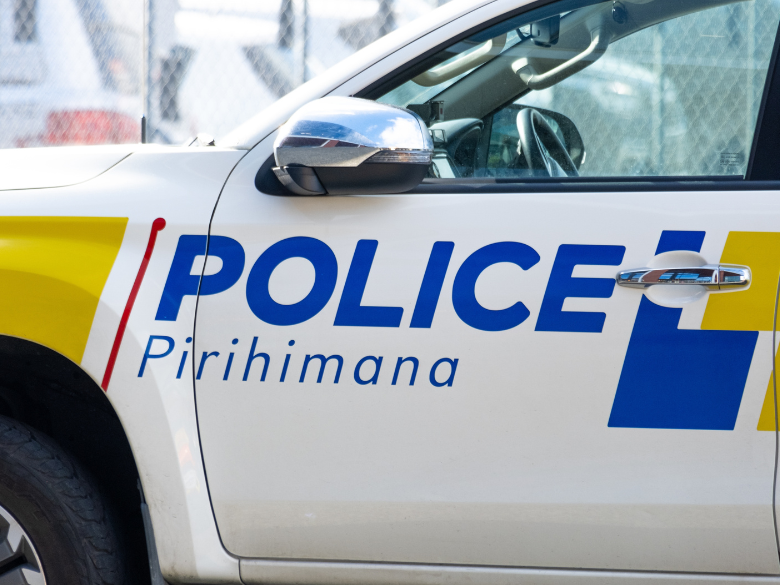
Roadside drug testing has now been rolled out across New Zealand following successful trials in Wellington. While the focus is on improving road safety, the change could also have practical implications for businesses that rely on staff driving for work.
Here’s what employers need to know.
What do the roadside tests check for?
There has been some confusion in the media about prescription medications triggering roadside drug tests and leaving drivers stranded. To clarify the facts, we’ve spoken with NZ Police, pharmacists, and experts involved in the supply and use of the saliva testing devices.
The roadside saliva tests are designed to detect specific drugs at specific threshold levels. Many common prescription medications, including ADHD medications, will not trigger a positive roadside result, either because they are not included in the test panel or because the detectable thresholds are set well above normal therapeutic levels.
What about medicinal cannabis?
Medicinal cannabis containing THC can trigger a roadside drug test, even if it has been legally prescribed by a doctor.
The test does not distinguish between medicinal and recreational cannabis — it simply detects the presence of THC.
If you have employees who drive for work and use prescribed medicinal cannabis, it’s important they understand this risk. A confidential conversation can help ensure everyone understands the potential implications for driving and workplace safety.
How the testing process works
The process is similar to alcohol testing and involves two stages.
- Initial roadside screening test – This indicates whether target drugs may be present.
- Confirmatory test – If the first test is positive, a second test is conducted to confirm the result.
While false positives are considered very unlikely, they are not impossible.
What this means for your business
If one of your drivers returns a positive roadside test, they will be stood down immediately and unable to continue driving — even if they believe the result is incorrect or related to prescribed medication.
In this situation:
- The vehicle will remain where it is.
- The driver cannot continue the trip.
- Another authorised driver will need to attend and recover the vehicle.
This is not a new challenge for some industries. Trucking companies, for example, have long planned for situations where drivers cannot continue due to alcohol testing or medical events. However, many businesses that rely on staff driving may not yet have considered how they would manage this scenario.
Potential consequences for businesses include: stranded vehicles, operational disruption, stand-down costs, and possible insurance implications.
What should businesses do now?
The best first step is simply to talk about it with your team. Consider asking a simple question:
If a driver was stood down at the roadside, what would we do next?
Some practical things to think through include:
- Who could step in to take over driving if needed?
- How would they be contacted?
- Does everyone know the process if something happens?
- Do staff have the ability to contact you quickly if they are stopped?
- Are any workers on prescribed medications that could affect their driving?
It may also be helpful to write down a basic plan. Even a simple process shows that the situation has been considered and discussed with your team.
Need to talk it through?
If you’d like to discuss how roadside drug testing might affect your business, feel free to give us a call.
The NZ Police have detailed information here: https://www.police.govt.nz/advice-services/drugs-and-alcohol/updates-drug-driving-legislation
If you want to see the actual drug limits in the legislation, they’re here: https://www.legislation.govt.nz/act/public/2022/0005/latest/LMS378964.html