



Working on a HazardCo site? One tool, all corners covered – in your back pocket!


Excavation work – what you need to know
Mar 06, 2026
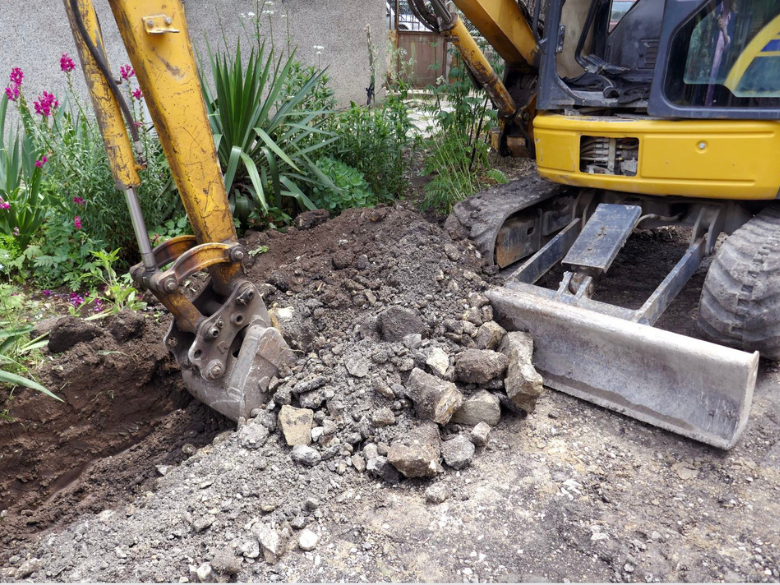
Excavation work means moving or removing soil, rock, or other materials with tools or machinery. You’ll come across it on most construction sites whether you’re building a new home, putting in a retaining wall, or laying underground services. Before you start digging, always check for underground utilities. Taking the time to plan ahead keeps everyone safe and helps avoid costly damage.
Common types of excavation
Here are a few types of excavation you’ll often come across in residential construction:
Cut & Fill (Stripping excavation)
This method is used to clear and level large areas of land. It involves removing unstable material like rock, sand, or topsoil so you’ve got a safe and stable surface to build/work on.
Pile Holes
These are usually dug with a backhoe, drill, or hydro excavator. Always cover and secure pile holes as soon as possible, and make sure only those involved in the work are nearby. Keep an eye on any water buildup and pump it out if needed before continuing work.
Potholing
Potholing is when you dig small holes to locate underground services before starting bigger works. Just make sure those holes are covered or secured when not in use. It’s an easy way to prevent someone from getting hurt.
Trenching
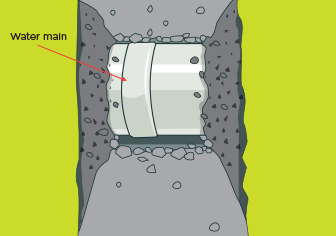
Trenching is used to install or replace underground utilities, build retaining walls, or check what’s under the surface. Trenches are long, narrow, and deeper than they are wide, which means they can be risky. The safest method depends on the depth, soil type, and what’s around it, so always take care and plan it out properly.
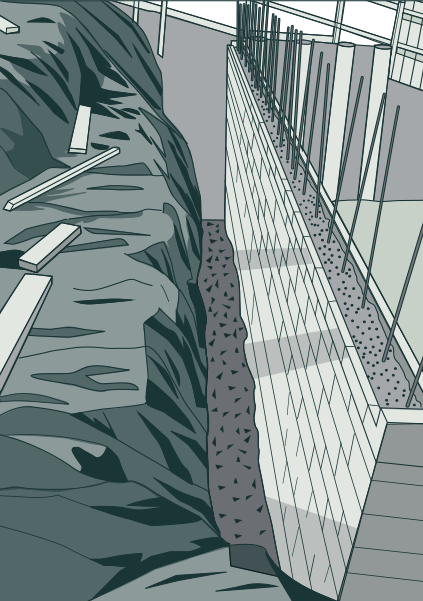
Large excavations often need heavy machinery, so make sure you’ve got good traffic management controls in place too.
Managing the risk
Excavation work is classed as high risk, no matter how shallow or deep. Even a small collapse can cause serious injury or damage, so it’s essential to plan ahead and put the right controls in place.
Before you start, complete a Task Analysis in the HazardCo App to help identify, assess, and control the risks associated with your excavation work. It’s also worth checking out WorkSafe NZ’s Good Practice Guidelines for Excavation Safety, which outline what’s expected on-site.
Covering or bridging
When covering holes or bridging shallow trenches:
- Use strong materials such as heavy-duty plywood or steel plates designed for the job.
- Fully cover holes and make sure the covers can’t move or shift.
- Keep walkways clear of slips, trips or other obstructions.
- Check for water hazards after heavy rain, pooled water can cause sidewall collapse and even drowning risks, especially for children.
Barriers and fencing
Keeping your site secure is a must. Think about how long the excavation will be open and what access the public might have.
- If work is left overnight or unattended, use fencing, plating, or backfill to make the area safe.
- Cones, lightweight mesh, or plastic hurdles aren’t enough to protect people from serious risks.
- Use proper safety fencing for long-term or unattended sites – it’s the best way to prevent injuries.
Know your competency level
Before you start any excavation work, make sure you have the right experience and qualifications for the depth you’re working at:
- Up to 1.5m: You should have recent experience supervising or doing excavation work.
- 1.5m – 3m: You’ll need recent experience at these depths and a relevant trade or technical qualification (like a civil engineer or drainlayer).
- 3 – 6m: You’ll need a qualification plus an experienced temporary works designer to confirm the work can be done safely.
Understanding your requirements is essential to keeping yourself and your crew safe.
Need a hand?
You’ll find a list of risk controls for excavation work in the HazardCo App under the Site Review resource, it’s a great way to make sure you’re covering key safety checks.
And if you ever need a hand getting started or want more info, get in touch with the friendly HazardCo team, we’re always here to help keep you and your crew safe.