It’s important for young people starting out in construction to understand how to stay safe at work. Young workers lack experience and might not know about all the hazards yet, which could put them in danger of getting hurt. Sometimes young people might feel like they have to impress others, or they might think they’re better at the job than they actually are, they may also forget about safety rules or be afraid to speak up if something seems unsafe. Because of this young workers have additional needs and should be supervised when working on-site.
Positive safety culture onsite comes from the top down, supervisors should be actively modeling and training young workers about safety rules, make sure they have the right gear, and encourage them to speak up if they see any problems.
There are some jobs that young workers shouldn’t do because they might not have enough experience or strength yet. Supervisors need to make sure young people can handle their tasks and keep an eye on them until they are sure they are able to do the work safely. Young workers also need to think about their own safety, listen to instructions and follow safety rules.
When everyone works together to stay safe, it helps make sure everyone goes home safely at the end of the day.
Now, let’s delve deeper into some specific measures that can be taken to ensure the safety and well-being of young workers in the construction industry:
- Comprehensive training: Employers should provide thorough training before they begin any tasks. This training should cover specific job duties and safety procedures, hazard identification and emergency protocols. By giving young workers the necessary knowledge and skills, employers can empower them to work safely and confidently. Basic health and safety should be incorporated into their training from the start, and ongoing support should be provided to address any gaps in understanding. Regular check-ins to gauge their comprehension and comfort with procedures and equipment are essential.
- Clear communication: Good communication is key to creating a safe work environment. Employers should clearly communicate safety expectations and procedures to young workers, making sure that they understand their responsibilities and know how to respond in different situations. Young workers often have fresh perspectives and questions that can lead to improvements. Encouraging them to voice their ideas can contribute significantly to a safer workplace for everyone.
- Supervision and mentorship: Experienced workers can play a vital role in guiding and mentoring young workers on construction sites. Assigning a mentor or supervisor to oversee the work of young workers can help prevent incidents and ensure that tasks are completed safely and correctly. This also provides young workers with an opportunity to learn from experienced builders and develop their skills over time.
- Lead by example. Supervisors play a critical role in ensuring workplace safety. They should actively monitor work practices, correct unsafe behaviors, and be available to answer questions. Providing ongoing support and guidance to supervisors, especially if they are also young workers, is essential for maintaining a positive safety culture.
- Regular safety inspections: Regular inspections of the work site should be conducted to identify and address any safety hazards or potential risks. Employers should involve young workers in these inspections, encouraging them to participate in hazard identification and risk assessment. By regularly assessing and addressing safety concerns, employers can create a safer work environment for all workers.
- Ongoing education and support: Safety education should be an ongoing process. Employers should provide regular opportunities for training and development, keeping young workers informed about new safety regulations, procedures, and best practices. Additionally, employers should offer support and guidance to young workers as they navigate their roles and responsibilities in the workplace.
- Create a positive culture: Creating a positive safety environment involves more than just having policies in place. Supervisors should consistently reinforce safety practices and lead by example by wearing personal protective equipment. Implementing a buddy system can also provide additional support to young workers, allowing them to learn from experienced colleagues while fostering a sense of teamwork and collaboration.
Employing young workers in the construction industry has benefits for the young person, the company and for the industry as a whole as the next generation of builders learn and grow into future roles. By prioritising safety and investing in the well-being of young workers, employers can create a culture of safety that benefits everyone involved. Together, we can build a safer and more secure future for the next generation of construction workers.
If you have any questions, get in touch with the HazardCo team today
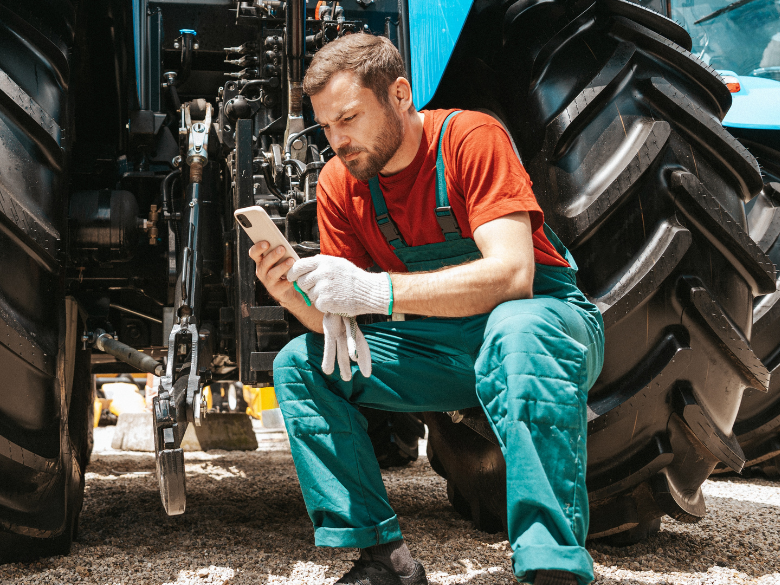
On the farm or in the factory, transport is a major part of daily life, making vehicle safety a top priority no matter what you are doing. When using vehicles you can break down transport activities into distinct areas Safe Stop, Safe Vehicle, Safe Driver, and Safe Site – so that you can better identify the hazards and take proactive steps to manage the risks.
Safe Stop
The concept of Safe Stop shows the importance of proper shutdown procedures for vehicles and machinery. The steps are straightforward but critical:
- Engage handbrake: Ensure the vehicle or machinery is securely immobilized.
- Controls in neutral: Prevent unintended movement.
- Switch off engine (or turn off power): Shut down the engine or power source.
- Remove key (or lock-off the power supply): Securely store the key or disable the power supply.
Following Safe Stop procedure is essential:
- Before leaving the driver’s seat.
- When anyone approaches the vehicle or machinery.
- Before any maintenance or adjustment tasks.
Safe Vehicle
A Safe Vehicle is one that is well-maintained and suited to the tasks. Consider the following checklist:
- Make sure vehicles are appropriate for the job and equipped with necessary safety features like mirrors for reversing and clear vision in all places.
- Conduct daily inspections, quickly report and fix any faults.
- Regularly maintain braking systems to ensure effectiveness.
Additionally:
- Install roll-over protective structures (ROPS) and seatbelts on vehicles at risk of overturning.
- Protect lift truck (forklift) and loader operators from falling objects.
- Ensure trailers have brakes matched to their loads and speeds.
Safe Driver
The Safe Driver makes sure they are competent, and fit to carry out the task:
- Confirm drivers are medically fit and properly trained.
- Prevent unauthorized individuals from operating vehicles.
- Educate drivers on safe vehicle entry and exit procedures.
Passengers should only be allowed in designated seats that do not hinder the driver’s visibility or access to controls. Mounting or dismounting moving vehicles is strictly banned for safety reasons.
Safe Site
A Safe Site is characterized by organized and secure traffic management:
- Separate vehicle and pedestrian traffic whenever possible.
- Inform visiting drivers about site-specific rules and regulations.
- Minimize the need for reversing by implementing turning circles or one-way systems.
- Maintain well-lit and properly marked traffic routes.
- Ensure silos, bulk dumps and storage areas are away from overhead power lines (OHPLs).
Additional vehicle safety tips include:
- Avoid approaching or walking near reversing vehicles.
- Use audible alarms on vehicles which activate when reversing.
- Provide separate doorways for vehicles and pedestrians in buildings.
- Wear high-visibility clothing to enhance visibility of people to the driver.
By addressing these four key areas—Safe Stop, Safe Vehicle, Safe Driver, and Safe Site—you can significantly improve transport safety.. Regular training, clear procedures, and a commitment to proactive safety measures are essential for protecting everyone involved in transport and vehicle movements.
If you need any advise get in touch or give the HazardCo team a call on 0800 555 339
Looking for something in particular?
Managing health and safety across your workplace just got simpler. We're excited to introduce Workplace Safety Projects – a new tool that helps you keep on top of your health and safety manage...

Each year, more NZ tradies are turning to digital tools and software to streamline their work both on-site and in the office. From electricians to plumbers, carpenters to landscapers, those wi...

The building industry is moving fast, and in 2026 the businesses that stay ahead will be the ones using smart, practical tech to save time, protect margins, and reduce admin. From estimating a...
As a leading Health & Safety provider in NZ, we are staying close to the proposed changes to the H&S regulations and working to influence changes where we can. When new rules do come t...

NZ weather changes fast and when it does so do the hazards on your site. Strong winds, extreme temperatures, and heavy rain can quickly lead to slips, trips, heat stress, damaged gear or vehic...

If you run a ute, van, or light truck for work, big changes are coming to how you pay for New Zealand’s roads. The Government has confirmed it’s moving away from petrol excise at the pump and ...

You might’ve seen the latest headlines about H&S reforms. The government’s still working through the details, so we don’t have any concrete updates for you just yet. But here’s the key thi...

Want an easy way to make your workplace safer without spending a cent? Here’s a simple trick that takes just 30 minutes and can help prevent incidents on the job.
Step 1: Spot the Hazards
Wh...
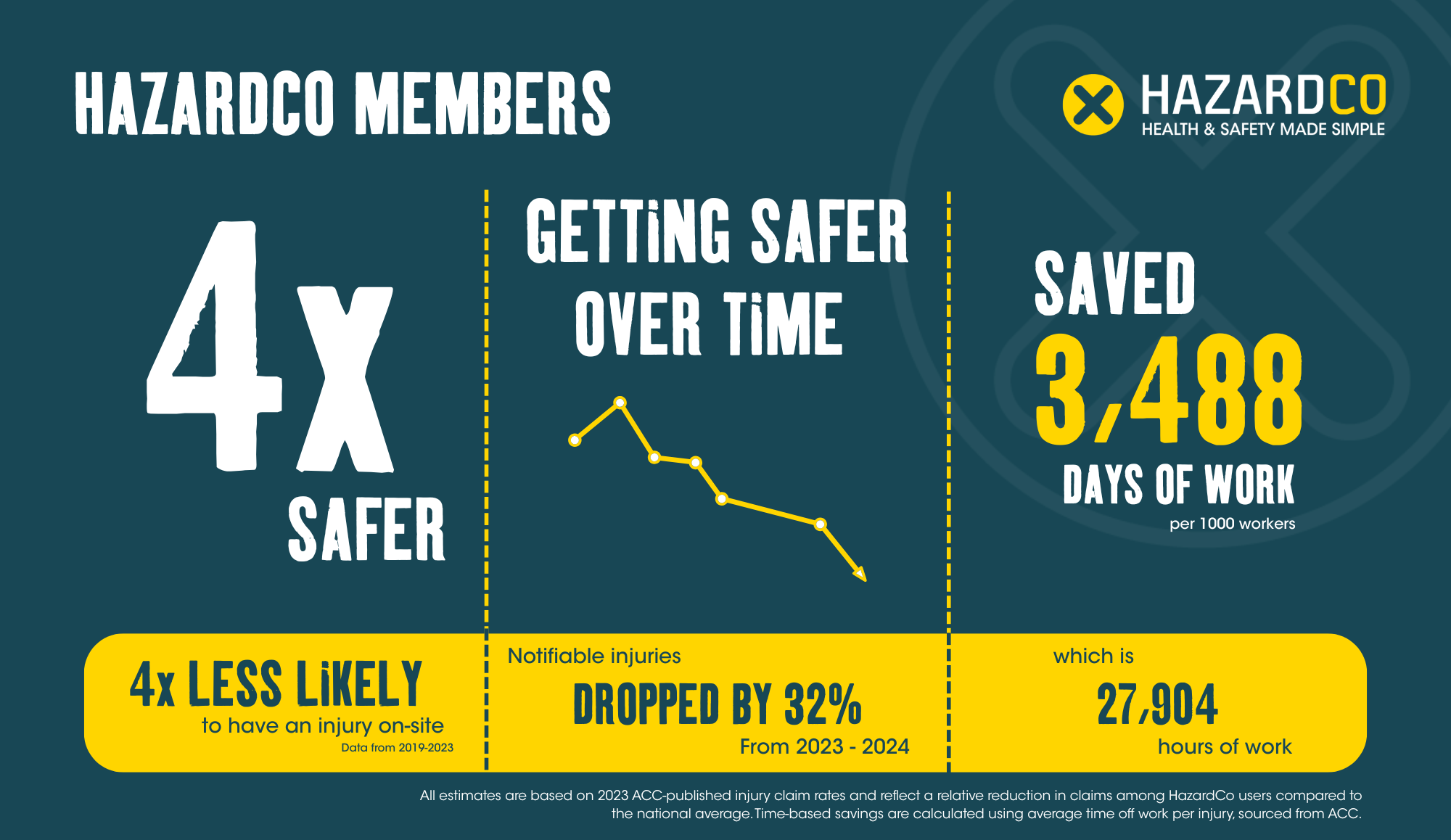
At HazardCo, we’re all about making health and safety simple – and it’s working. New data shows that our members are safer on site compared to the national average. Whether you’re on the tools...

There’s major HR changes on the way for how Kiwi businesses manage contractors, and if you run a construction company, are a tradie, or work with subcontractors, this is something you need to ...

Hand and finger injuries are one of the most common injuries on-site. Over the last year, HazardCo has received 4599 incident reports – 720 of those were hand or finger injuries. That highligh...
You might have heard that the government is making some changes to the Health and Safety Work Act (HSWA). But what does that mean for your building company or trade business?
The announcem...